Quick Answer
Before booking LASIK eye surgery in Turkey, ask clinics about the types and models of laser systems they use, whether they offer bladeless LASIK with femtosecond lasers, and if they provide advanced customization technologies like wavefront-guided or topography-guided treatments. Also inquire about equipment certifications, maintenance protocols, and the surgeons' qualifications to ensure safety and precision.
- Many Turkish clinics use femtosecond lasers for bladeless LASIK, which improves precision and reduces complications compared to traditional blade methods.
- Excimer lasers are used to reshape the cornea with high accuracy, often combined with wavefront-guided technology for personalized treatment.
- Confirming the brand, generation, and certification of laser equipment helps ensure the clinic meets international safety and quality standards.
- Surgeons' experience and training with specific LASIK technologies are crucial for achieving optimal outcomes and managing risks.
- Customization options like wavefront-guided and topography-guided LASIK enhance visual clarity and reduce side effects such as glare or halos.
- Clinics should follow established protocols for patient evaluation and procedure planning to maximize safety and patient satisfaction.
- During consultation, patients should ask detailed questions about technology use, safety measures, customization, recovery expectations, and follow-up care to make informed decisions.
What LASIK Eye Surgery Technology Details Should You Ask A Clinic In Turkey About Before Booking?
When considering LASIK eye surgery in Turkey, understanding the key technology details to ask a clinic is essential for ensuring a safe procedure and achieving the best possible outcomes. Important factors include the types of laser systems the clinic uses, whether they offer bladeless LASIK options utilizing femtosecond lasers, and the availability of advanced customization technologies such as wavefront-guided treatments. Additionally, it is vital to inquire about the certifications held by both the equipment and the surgeons, as these attest to compliance with international safety and quality standards.
Choosing a LASIK provider abroad requires careful evaluation of the technology employed because it directly affects the accuracy of your vision correction and your recovery experience. While many clinics in Turkey use advanced laser platforms, the specific models, their maintenance protocols, and the surgeon's expertise in utilizing these technologies can vary significantly. By asking targeted questions about these details, you can make a confident decision that balances safety with the best possible visual results.
International patients particularly benefit from understanding how a clinic customizes treatments for individual eye conditions. This personalization, enabled by sophisticated technology, can significantly influence the quality of your vision after surgery and reduce the risk of side effects. As you prepare to select a LASIK clinic in Turkey, focusing on these technology details will help you find a provider who meets your expectations for care, precision, and safety, ultimately contributing to a positive surgical experience and long-term satisfaction with your vision correction.
Get expert support for your treatment
Let our coordination team prepare a personalized plan for you.
Contact information
Your information is only used to contact you and is never shared with third parties.
Your request has been received!
Your request has been received! Our coordination team will contact you as soon as possible.
Key LASIK Technologies to Confirm Before Your Surgery in Turkey
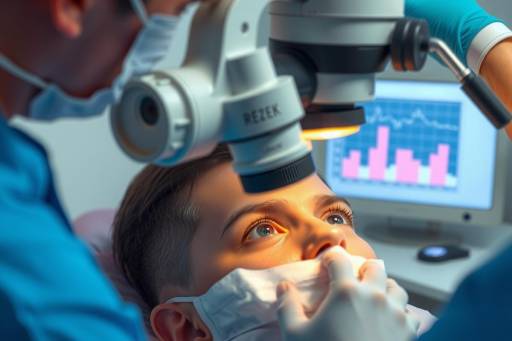
Confirming the specific LASIK technologies a clinic uses is a crucial step for ensuring both your safety and the success of your surgery. Many reputable clinics in Turkey employ femtosecond lasers to create the corneal flap with exceptional precision, a technique commonly referred to as bladeless LASIK. This method significantly reduces the risk of complications associated with traditional blade methods, such as uneven or incomplete flaps, and promotes faster healing and more predictable visual outcomes.
In addition to flap creation, the excimer laser is utilized to reshape the cornea by removing microscopic amounts of tissue with high accuracy. Clinics may offer advanced customization technologies like wavefront-guided LASIK, which maps your eye’s unique optical imperfections to tailor the laser treatment. This customization can improve visual outcomes by addressing higher-order aberrations that standard LASIK treatments might not correct, potentially enhancing clarity and reducing side effects such as glare or halos.
Before booking your surgery, it is important to ask the clinic about the brand and generation of their laser systems, as newer models often incorporate enhanced safety features and improved precision. Confirm whether they use bladeless techniques for flap creation and if they provide wavefront or topography-guided LASIK options, which focus on detailed corneal surface mapping to optimize results.
Understanding these technologies ensures your procedure utilizes modern, evidence-based methods designed for safety, precision, and optimal visual correction. This knowledge empowers you to select a clinic that employs state-of-the-art equipment and techniques aligned with current best practices in refractive surgery.
How to Evaluate a Clinic’s LASIK Equipment and Technique Credentials
Evaluating a clinic’s LASIK equipment and technique credentials is an essential step to ensure your safety and the quality of your surgical outcome. This evaluation involves more than simply trusting the clinic’s claims; it requires verifying that their equipment meets recognized international safety standards. Start by asking if their laser systems have FDA approval, CE marking, or other relevant certifications that confirm compliance with rigorous safety and performance criteria. Additionally, inquire about the clinic’s maintenance records for their laser machines, as regular servicing and calibration are crucial for consistent, safe operation.
The experience and qualifications of the surgeons performing your procedure are equally important. Ask about their formal training in LASIK surgery, the number of years they have been performing the procedure, and how frequently they use the specific laser technologies planned for your surgery. Surgeons who continuously update their skills and stay current with technological advancements tend to achieve better outcomes and manage complications more effectively.
It is also important to check whether the clinic follows established protocols for patient evaluation and procedure planning. This includes comprehensive preoperative assessments to determine your suitability for LASIK and customized treatment plans based on your individual eye measurements. Clinics that adhere to internationally recognized safety guidelines and best practices reduce the risk of complications and enhance patient satisfaction.
Collecting this information allows you to assess whether the clinic prioritizes transparency, quality care, and patient safety. It also helps you feel more confident that your LASIK surgery will be performed using reliable equipment and by skilled professionals committed to achieving the best possible results.
Questions to Ask About Laser Technology and Customization Options
When discussing your LASIK options with the clinic, it is essential to focus on how they utilize advanced technology to tailor the treatment specifically to your eyes. One key question is whether they offer wavefront-guided LASIK, a cutting-edge customization technique that uses detailed measurements of your eye’s optical imperfections to guide the laser ablation. This approach can significantly enhance visual clarity and reduce common side effects such as glare, halos, or difficulty seeing at night.
You should also inquire about the precision of their laser systems and their ability to adjust treatments according to your unique prescription and corneal shape. Some clinics provide topography-guided LASIK, which maps the surface irregularities of your cornea to optimize the laser treatment and improve outcomes, especially for patients with irregular corneal shapes or higher prescriptions.
Understanding these customization options allows you to evaluate whether the clinic prioritizes personalized care rather than applying a one-size-fits-all treatment. Personalized LASIK treatments often result in better visual quality, fewer complications, and higher patient satisfaction. Additionally, ask about the technology’s role in minimizing risks and enhancing safety during the procedure.
By gaining a clear understanding of the customization technologies available, you can better assess whether the clinic’s approach aligns with your expectations for precision and individualized care, which are critical factors in achieving optimal visual results.
Comparing Modern LASIK Technologies for Safety and Effectiveness
Different LASIK technologies offer varying advantages in terms of safety, precision, and recovery speed, and understanding these differences can help you make an informed decision about your surgery. Bladeless LASIK, which uses a femtosecond laser to create the corneal flap instead of a traditional mechanical blade, is known for minimizing the risk of flap-related complications such as irregular cuts or flap dislocation. This laser method allows for more precise, predictable flap thickness and placement, which can contribute to better healing and visual outcomes.
Wavefront technology represents another advancement, capturing detailed maps of your eye’s refractive errors beyond just the basic prescription. This enables a highly customized laser treatment that can improve night vision and reduce visual distortions like halos or starbursts that sometimes occur after LASIK. Some clinics combine bladeless flap creation with wavefront-guided laser ablation to maximize both safety and effectiveness.
When comparing these options, it is important to ask the clinic about the specific laser platforms they use, including the generation and model of the machines, as newer technology often incorporates improved safety features and enhanced precision. Additionally, inquire about the clinical outcomes they observe with their patients, including complication rates and patient satisfaction.
Clinics that use the latest, well-documented technology and have a strong track record of safety provide reassurance that your procedure will be performed with the highest standards. Understanding these technological differences helps you weigh the benefits and potential risks, ensuring your LASIK treatment is tailored to your individual needs and circumstances.
What to Expect During Your LASIK Consultation About Technology Use
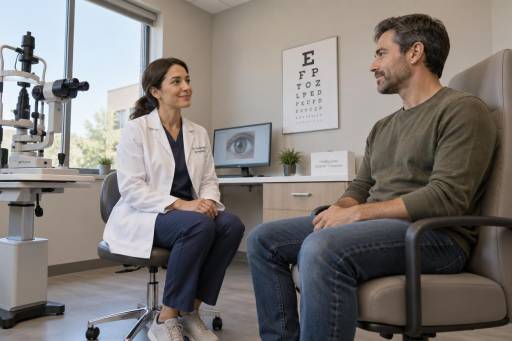
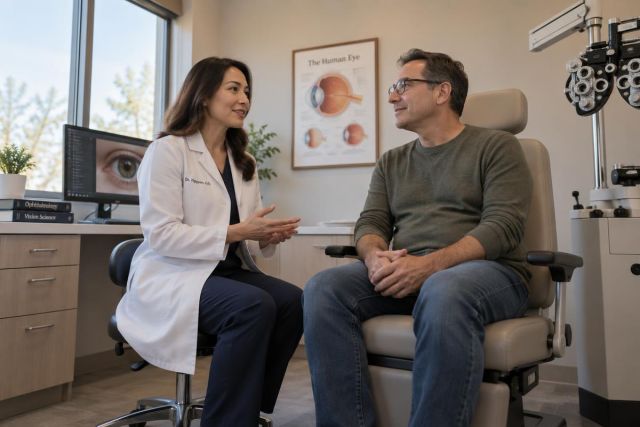
Your LASIK consultation is a critical step where you will have the opportunity to discuss in detail the technology that will be used during your procedure and how it may influence your recovery and final visual outcomes. During this appointment, expect the surgeon or eye care specialist to thoroughly explain the types of lasers involved, including the femtosecond laser for flap creation and the excimer laser for corneal reshaping. They will also describe the customization process, which tailors the laser treatment to the unique characteristics of your eyes, as well as the safety protocols in place to minimize risks during surgery.
It is important to prepare thoughtful questions in advance about how the clinic personalizes treatments based on your eye measurements and how they manage potential risks related to your specific eye health status, such as dry eyes or thin corneas. Ask about the expected recovery timeline given the technology used, including when you might expect to resume normal activities and how vision may fluctuate during healing. Understanding the necessary follow-up care, including postoperative checkups and any additional treatments, will help set realistic expectations.
A transparent and patient-focused clinic will provide clear, detailed answers and may even show you the laser equipment or simulation images of your personalized treatment plan. This visual information can help you better understand the procedure and feel more comfortable with the technology being used. Being well-informed about the technology during your consultation empowers you to make confident, educated decisions about your LASIK surgery and to feel reassured about the safety and effectiveness of your chosen treatment approach.
Frequently Asked Questions
Q: What LASIK laser systems are most commonly used in Turkey clinics?
Get expert support for your treatment
Let our coordination team prepare a personalized plan for you.
Contact information
Your information is only used to contact you and is never shared with third parties.
Your request has been received!
Your request has been received! Our coordination team will contact you as soon as possible.
A: Most clinics use advanced systems like femtosecond lasers for flap creation and excimer lasers for tissue ablation, ensuring high precision and safety.
Q: Is wavefront technology necessary for LASIK?
A: Wavefront technology enhances customization and can improve visual outcomes, but its necessity depends on individual eye conditions and the surgeon’s recommendation.
Q: How can I verify the safety standards of LASIK equipment at a clinic?
A: Ask the clinic for certification details, equipment maintenance records, and surgeon qualifications to ensure adherence to international safety standards.
Q: What are the differences between traditional LASIK and bladeless LASIK?
A: Bladeless LASIK uses a femtosecond laser instead of a blade to create the corneal flap, reducing risks and improving precision.
Q: Should I inquire about the clinic’s experience with specific LASIK technologies?
A: Yes, experienced surgeons familiar with the latest technologies can better tailor the procedure to your eye condition and improve outcomes.
Q: What questions should I ask during my consultation about the technology used?
A: Ask about the specific laser systems, safety protocols, customization options, and surgeon experience with those technologies.
The information provided is for educational purposes only and does not constitute medical advice. Always consult with a healthcare professional for medical guidance specific to your situation.