Table of Contents
Can Oral Surgery Be Performed Under Sedation?
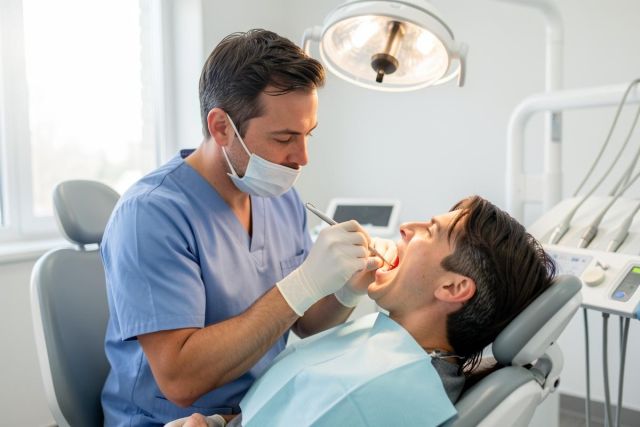
Oral surgery can indeed be performed under sedation, which is a common and effective way to help patients feel relaxed and comfortable during dental procedures. Sedation varies from mild to deep, depending on the type of surgery and individual patient needs. It helps minimize pain, anxiety, and stress, making the experience smoother for both the patient and the surgical team.
Many oral surgeries, including wisdom tooth extractions, dental implants, and jaw surgeries, utilize sedation to improve patient comfort. Sedation options range from simple inhaled gases to intravenous medications and general anesthesia. These methods are chosen based on the complexity of the procedure and the patient’s health profile.
Understanding how sedation works and what to expect can help reduce anxiety about oral surgery. You can discuss your options with your oral surgeon to select the safest and most suitable sedation method for your procedure. This approach ensures your comfort and safety throughout the surgical experience.
Get Support From an Oral and Maxillofacial Surgeon
Answer a few short questions and HealthNode will help you connect with the right oral and maxillofacial surgery specialist.
Symptoms and Urgency
This helps us understand whether you may need routine surgical planning or a higher-priority review.
Previous Tests or Surgical Planning
A few details help the surgeon understand what has already been checked and what type of surgical care may be needed.
Health and Surgery Factors
These details help the specialist understand any factors that may affect surgery, anesthesia, or healing.
Contact information
Your information is only used to contact you and is never shared with third parties.
Your request has been received!
Thank you. If you have dental X-rays, panoramic X-ray, CBCT or 3D scan, CT or MRI, referral notes, pathology reports, implant records, previous surgery records, or photos of swelling or injury, please keep them ready. A HealthNode consultant will guide you through the next step.
Sedation in Oral Surgery: Essential Information for Patients
Sedation plays a vital role in oral surgery to ease patient anxiety, control pain, and allow surgeons to perform procedures more efficiently. It is especially beneficial for patients who experience dental fear or require complex surgeries. Sedation helps create a calm environment, reducing discomfort and movement during surgery.
Common oral surgeries that use sedation include wisdom tooth removal, dental implant placement, bone grafting, and corrective jaw surgery. Sedation helps patients tolerate these procedures comfortably, sometimes making what could be a stressful experience far more manageable.
The benefits of sedation go beyond pain relief. It can lower blood pressure and heart rate in anxious patients, promote relaxation, and improve cooperation. This leads to better surgical outcomes and less postoperative discomfort. Sedation also allows for longer or multiple procedures in one visit, which reduces overall treatment time and inconvenience.
Discussing your medical history and comfort preferences with your oral surgeon will help determine if sedation is appropriate for your surgery. This tailored approach ensures you receive the right level of sedation to maximize safety and comfort during your treatment.
Types of Sedation Used in Oral Surgery: Which One Is Right for You?
Several sedation options are available for oral surgery, each differing in depth and method of administration. Understanding these can help you have an informed conversation with your surgeon about what suits your needs.
Local anesthesia numbs only the surgical area and is the most basic form of pain control. It does not reduce anxiety but ensures you do not feel pain during the procedure. Nitrous oxide, also called "laughing gas," is inhaled and provides mild sedation that helps you feel relaxed while remaining awake and responsive.
Oral sedatives are pills taken before the procedure to induce a moderate level of sedation. They help with anxiety and provide a calming effect but do not usually cause loss of consciousness. Intravenous (IV) sedation delivers medication directly into your bloodstream, offering a deeper sedation level with rapid onset. You may feel drowsy or even fall asleep but can typically be awakened easily.
General anesthesia is the deepest level and renders you fully unconscious. This method is reserved for extensive or complicated surgeries and requires careful monitoring by an anesthesiologist.
Choosing the right sedation depends on your medical history, the complexity of surgery, and your comfort level. Your oral surgeon will help guide you to the safest and most effective option.
Ensuring Sedation Safety: What Patients Should Know
Safety is a top priority when sedation is used during oral surgery. Clinics follow strict protocols and guidelines to minimize risks and ensure patient well-being throughout the procedure.
Before sedation, a thorough preoperative assessment evaluates your medical history, allergies, medications, and any existing health conditions. This helps identify any factors that may affect sedation choice or require additional precautions.
During the procedure, vital signs such as heart rate, blood pressure, oxygen levels, and breathing are continuously monitored. This allows the surgical team to respond promptly to any changes and maintain stable sedation.
Only trained professionals with expertise in sedation administer these medications. Accredited facilities also have emergency equipment and protocols in place.
Open communication with your oral surgeon about your health history and any concerns is essential. This transparency helps tailor sedation plans that optimize your safety and comfort.
Patient Comfort and Expectations During Sedated Oral Surgery
Feeling comfortable and informed before and during your oral surgery can significantly reduce anxiety and improve your overall experience. Knowing what to expect helps you prepare mentally and physically.
Preparation may include fasting for several hours before surgery, avoiding certain medications, and arranging for someone to drive you home. Your oral surgeon will give specific instructions based on the sedation method used.
During sedated surgery, you may feel relaxed, drowsy, or even momentarily unaware of the procedure. Some patients experience little memory of the surgery afterward, which can ease anxiety about the experience.
Post-procedure care is crucial for smooth recovery. You might feel groggy or disoriented for several hours, so rest and avoiding strenuous activities are recommended. Follow your surgeon’s guidance on diet, pain management, and oral hygiene to support healing.
Understanding these steps helps set realistic expectations and ensures you take the right precautions to stay safe and comfortable throughout your treatment journey.
Risks and Considerations of Sedation in Oral Surgery
While sedation is generally safe, it carries some risks that patients should be aware of. These risks vary depending on the sedation type, patient health, and procedure complexity.
Potential side effects include allergic reactions, respiratory difficulties, nausea, and in rare cases, more serious complications such as respiratory depression. Patients with certain medical conditions like heart or lung disease, obesity, or sleep apnea may face higher sedation risks.
Your oral surgeon will evaluate your health carefully to determine if sedation is appropriate or if alternative pain management methods should be considered. Openly sharing your medical history and concerns helps reduce risk.
It’s important to follow all preoperative instructions and disclose any medications or supplements you take. Avoiding smoking and alcohol before surgery also improves safety.
Consulting with your healthcare provider about sedation risks and benefits ensures a well-informed decision and helps tailor a plan that prioritizes your health and safety.
Get Support From an Oral and Maxillofacial Surgeon
Answer a few short questions and HealthNode will help you connect with the right oral and maxillofacial surgery specialist.
Symptoms and Urgency
This helps us understand whether you may need routine surgical planning or a higher-priority review.
Previous Tests or Surgical Planning
A few details help the surgeon understand what has already been checked and what type of surgical care may be needed.
Health and Surgery Factors
These details help the specialist understand any factors that may affect surgery, anesthesia, or healing.
Contact information
Your information is only used to contact you and is never shared with third parties.
Your request has been received!
Thank you. If you have dental X-rays, panoramic X-ray, CBCT or 3D scan, CT or MRI, referral notes, pathology reports, implant records, previous surgery records, or photos of swelling or injury, please keep them ready. A HealthNode consultant will guide you through the next step.
Frequently Asked Questions
Q: Is sedation necessary for all oral surgeries?
A: Not all oral surgeries require sedation; it depends on the complexity of the procedure and the patient's comfort level. Your oral surgeon will advise the best option for you.
Q: Are there any risks associated with sedation during oral surgery?
A: Yes, like any medical procedure, sedation carries some risks such as allergic reactions or respiratory issues, but these are rare and minimized through professional safety protocols.
Q: How safe is sedation for patients with health conditions?
A: Patients with certain health conditions should discuss this with their surgeon, as some conditions may require special precautions or alternative sedation methods.
Q: What should I do to prepare for sedation during my oral surgery?
A: Follow your surgeon’s instructions, which may include fasting, avoiding certain medications, and arranging transportation after the procedure.
Q: Can I drive or operate machinery after sedation?
A: No, sedation can impair your ability to drive or operate machinery for several hours after the procedure. Arrange for someone to accompany you.
Q: How long does recovery from sedation typically take?
A: Recovery time varies depending on the type of sedation used, but generally, patients are advised to rest and avoid strenuous activities for the rest of the day.
The information provided is for educational purposes only and does not constitute medical advice. Always consult with a healthcare professional for medical guidance specific to your situation.