Quick Answer
A tooth with very little structure left can sometimes support a crown if there is enough remaining tooth tissue, a healthy root, and proper reinforcement techniques are used. When the tooth is too compromised, alternative restorations such as post-and-core build-ups, partial restorations, or implants may be necessary.
- Dentists evaluate the amount of remaining tooth structure, root health, and bone support to determine if a crown is feasible.
- Crowns require sufficient underlying tooth tissue to adhere properly and withstand biting forces.
- Post-and-core procedures can reinforce teeth with limited structure to support crowns if the root is healthy.
- Modern dental bonding and reinforcement techniques can improve crown retention on compromised teeth.
- Alternative restorations include partial crowns or dental implants when traditional crowns are not viable.
- Long-term success of crowns on weak teeth depends on careful maintenance, good oral hygiene, and avoiding excessive biting forces.
- Consulting a dental specialist is recommended for complex cases involving severely damaged teeth or crown instability.
Can a Tooth with Very Little Structure Left Support a Crown?
A tooth with very little remaining structure can sometimes support a dental crown, but this depends on careful clinical evaluation and the use of advanced restorative techniques. The feasibility hinges on factors such as how much tooth tissue remains, the condition of the root and surrounding bone, and whether reinforcement methods like post-and-core build-ups are possible. When the tooth is too compromised, alternative treatments may be necessary to restore function and appearance safely.
Dentists assess the tooth's stability and remaining structure to determine if a crown will be durable and protective. Crowns provide strength by covering and protecting damaged teeth, but they require enough underlying support to adhere properly and withstand biting forces. Understanding this evaluation and the treatment alternatives helps you make informed decisions about your dental restoration options when facing a severely damaged tooth.
In addition, modern dental bonding and reinforcement techniques can sometimes enable a crown to be placed on teeth that once were considered poor candidates. However, long-term care and maintenance play a crucial role in the success of crowns on compromised teeth. This article covers how dentists evaluate such teeth, the treatment options if traditional crowns aren't feasible, and what to expect in terms of outcomes and care.
Restore Damaged or Missing Teeth With Crowns and Bridges
Answer a few short questions and HealthNode will help you connect with the right restorative or cosmetic dentist.
Crown, Bridge, or Replacement Needs
This helps us understand whether a crown, bridge, implant, or another treatment may be more suitable.
Dental Health Check
A few details help the dentist understand whether any treatment is needed before placing a crown or bridge.
Contact information
Your information is only used to contact you and is never shared with third parties.
Your request has been received!
Thank you. If you have dental X-rays, panoramic X-ray, CBCT scan, root canal records, previous crown or bridge records, treatment plans, or dental photos, please keep them ready. A HealthNode consultant will guide you through the next step.
Assessing the Feasibility of Crowning a Severely Damaged Tooth
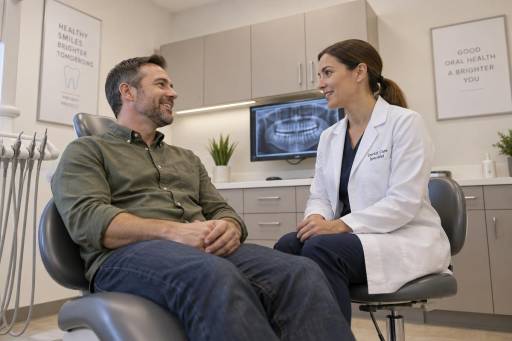
When a tooth has very little structure left, dentists perform a thorough assessment to decide if it can support a crown. This evaluation involves examining the amount and quality of remaining tooth tissue, the integrity of the root, and the health of the surrounding bone. Adequate tooth structure is essential because the crown must securely attach and distribute biting forces without causing further damage.
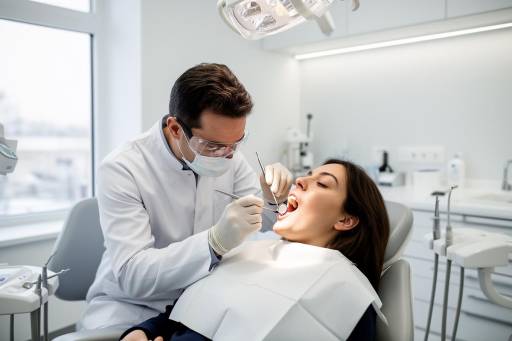
The dentist will also consider the tooth's prognosis based on factors like previous treatments, presence of cracks or decay, and periodontal status. Radiographs and clinical examination help reveal hidden damage or bone loss that might compromise the tooth's ability to support a restoration. If the remaining structure is insufficient, the risk of crown failure or tooth fracture increases.
Ultimately, the goal is to ensure that the tooth can withstand functional stresses once restored. If the evaluation shows enough sound tissue or potential for reinforcement, a crown may be recommended. Otherwise, other restorative options might be safer and more effective for preserving your oral health.
Treatment Options When Tooth Structure Is Insufficient for a Traditional Crown
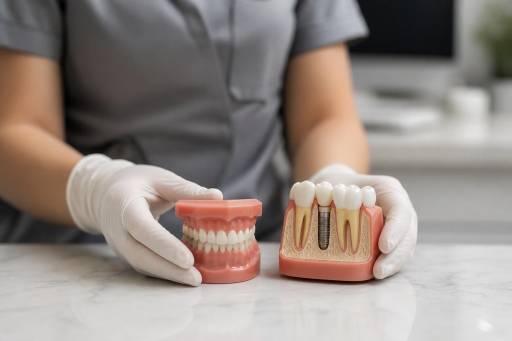
If a tooth lacks enough structure to support a traditional crown, dentists can explore alternative restorative approaches tailored to your situation. One common method is the post-and-core procedure, where a post is inserted into the root canal to anchor a core buildup that replaces lost tooth tissue. This creates a stable foundation for a crown but requires a healthy root and sufficient length.
In some cases, partial restorations like onlays or overlays can preserve more natural tooth tissue while providing protection. If the tooth is too damaged or weakened, extraction followed by a dental implant might be the most predictable long-term solution. Implants replace the tooth root and support a crown independently of natural tooth structure.
Your dentist will discuss these options considering your oral condition, preferences, and overall treatment goals. Each alternative has benefits and limitations based on durability, invasiveness, and cost. Choosing the right approach ensures a functional, safe, and lasting restoration even when tooth structure is severely compromised.
The Role of Dental Bonding and Reinforcement in Crown Support
Modern dental bonding and reinforcement techniques have expanded the possibilities for crowning teeth with limited structure. Dental bonding materials can adhere strongly to tooth tissue and restorative materials, improving retention of crowns on compromised teeth. Reinforcing the tooth with fiber posts or metal posts combined with composite buildups helps recreate a stable base.
These techniques require precise clinical execution and appropriate case selection. Bonding can strengthen weakened tooth walls and fill gaps, allowing the crown to distribute forces more evenly. Additionally, advances in adhesive dentistry have improved how crowns bond to dentin and enamel, even when minimal.
While bonding and reinforcement can help save teeth that might otherwise need extraction, they do not guarantee success. The longevity of such restorations depends on the quality of materials, technique, and ongoing care. Nonetheless, these approaches offer valuable options for preserving natural teeth with minimal remaining structure.
Long-term Outcomes and Maintenance for Crowns on Weak or Minimal Tooth Structure
Crowns placed on teeth with limited structure require careful long-term maintenance to ensure durability and oral health. Because these teeth are more vulnerable to fracture or failure, regular dental check-ups are essential to monitor the crown and underlying tooth condition. Good oral hygiene reduces the risk of decay at the crown margins, which can undermine the restoration.
Avoiding excessive biting forces on the crowned tooth helps prolong its lifespan. Your dentist may recommend night guards if you grind your teeth, which can stress compromised restorations. Proper care also includes avoiding very hard foods and habits that could chip or dislodge the crown.
With attentive maintenance, crowns on weakened teeth can function well for many years. However, patients should be aware that these crowns may require more frequent evaluation and occasional repairs or replacements compared to crowns on healthier teeth. Open communication with your dental provider about any pain, sensitivity, or mobility is important to address issues early.
When to Consult a Dental Specialist for Complex Restorations
You should consider consulting a dental specialist if your tooth restoration involves complex challenges such as very limited tooth structure, persistent pain, or crown instability. Specialists like prosthodontists or endodontists have advanced training in restoring severely damaged teeth and managing complications.
Signs that warrant specialist evaluation include recurring infections, looseness of the crown, difficulty chewing, or visible cracks. Specialists can offer advanced treatment options such as customized post systems, complex crown designs, or implant placement when conventional approaches are insufficient.
Early consultation helps prevent further damage and improves chances of successful, long-lasting restoration. If your general dentist recommends referral to a specialist, it is often to ensure the best possible care for difficult cases involving compromised teeth.
Frequently Asked Questions
Q: How do dentists determine if a tooth can support a crown?
Restore Damaged or Missing Teeth With Crowns and Bridges
Answer a few short questions and HealthNode will help you connect with the right restorative or cosmetic dentist.
Crown, Bridge, or Replacement Needs
This helps us understand whether a crown, bridge, implant, or another treatment may be more suitable.
Dental Health Check
A few details help the dentist understand whether any treatment is needed before placing a crown or bridge.
Contact information
Your information is only used to contact you and is never shared with third parties.
Your request has been received!
Thank you. If you have dental X-rays, panoramic X-ray, CBCT scan, root canal records, previous crown or bridge records, treatment plans, or dental photos, please keep them ready. A HealthNode consultant will guide you through the next step.
A: Dentists assess the amount of remaining tooth structure, root health, and bone support using clinical examination and X-rays. They evaluate if enough stable tissue exists to hold the crown securely and withstand biting forces. This helps predict whether the crown will be durable and protective.
Q: What are alternatives if a tooth cannot support a crown?
A: If a tooth lacks sufficient structure, options include post-and-core build-ups to reinforce the tooth, partial restorations like onlays, or extraction followed by dental implants. Your dentist will recommend the best choice based on your oral health and restoration goals.
Q: Can dental bonding help support crowns on damaged teeth?
A: Yes, dental bonding materials can adhere to tooth tissue and reinforce weakened areas, improving crown retention. Combined with posts, bonding can rebuild the tooth base to support a crown. However, success depends on case specifics and proper technique.
Q: What maintenance is needed for crowns on weak teeth?
A: Regular dental visits are important to monitor crown and tooth health. Maintaining excellent oral hygiene and avoiding excessive biting forces protects the restoration. Using a night guard if you grind your teeth can also help prolong crown longevity.
Q: When should I see a specialist for a damaged tooth restoration?
A: Consult a dental specialist if you experience persistent pain, crown looseness, or complex restoration needs. Specialists have advanced skills for challenging cases and can offer treatments beyond general dentistry to improve outcomes.
The information provided is for educational purposes only and does not constitute medical advice. Always consult with a healthcare professional for medical guidance specific to your situation.