Quick Answer
Yes, a broken front tooth can often be rebuilt by bonding the original tooth fragment back onto the damaged tooth if the fragment is well preserved and the damage is suitable for this restoration. This method restores the tooth's appearance and function with a minimally invasive approach that preserves natural tooth structure.
- Bonding the original tooth fragment requires the fragment to be intact or mostly intact and kept moist for successful reattachment.
- Simple fractures involving enamel or enamel and some dentin are better candidates for bonding than complex breaks involving root damage.
- The bonding procedure involves cleaning, etching, applying adhesive, positioning the fragment, curing with light, and polishing for a natural look.
- Bonding preserves natural tooth tissue and appearance, offering superior aesthetics compared to synthetic materials.
- The bonded fragment may be more fragile and prone to chipping or detachment over time, depending on care and oral habits.
- Alternative restorations like crowns, veneers, or implants are considered when bonding is not feasible due to extensive damage or unsuitable fragments.
- Proper oral hygiene and avoiding hard foods help maintain the bonded restoration's durability and appearance.
Can a Broken Front Tooth Be Rebuilt by Bonding the Original Fragment Back On?
Yes, a broken front tooth can often be rebuilt by bonding the original tooth fragment back onto the damaged tooth, provided the fragment is preserved well and the damage is suitable for this type of restoration. This procedure involves carefully cleaning and preparing both the fragment and the remaining tooth structure before using dental adhesives and composite resins to securely reattach the piece. When successful, this method restores the tooth's appearance and function with a minimally invasive approach that preserves natural tooth structure.
Front tooth fractures are common dental injuries that can affect aesthetics and oral function. Bonding the original fragment back on can offer a natural look since it uses your own tooth material, but it requires careful assessment by a dental professional. The feasibility depends on factors such as the condition of the fragment, the extent of the break, and the health of the remaining tooth.
Understanding the evaluation process, detailed bonding steps, benefits, limitations, and alternative treatments will help you make an informed decision about managing a broken front tooth. This knowledge also guides you on how to maintain the restoration and when other options might be more appropriate.
Restore Cavities, Cracks, and Damaged Teeth
Answer a few short questions and HealthNode will help you connect with the right restorative dentist for fillings or tooth repair.
Pain, Sensitivity, and Damage
This helps us understand whether you may need a simple filling, tooth restoration, root canal evaluation, or another treatment.
Previous Dental Care and Preferences
A few details help the dentist understand the best restoration option for your tooth.
Final Details
Share anything important so the dentist can better understand your case.
Contact information
Your information is only used to contact you and is never shared with third parties.
Your request has been received!
Thank you. If you have dental X-rays, photos of the damaged tooth, previous filling records, root canal records, treatment plans, or information about tooth pain or sensitivity, please keep them ready. A HealthNode consultant will guide you through the next step.
Assessing the Suitability of Bonding for Your Broken Front Tooth
Dental professionals evaluate several criteria to determine if bonding the original fragment is a viable restoration option for your broken front tooth. First, the fragment itself must be recovered promptly, kept moist, and intact or mostly intact. Fragments that are dry, shattered into many small pieces, or lost are less likely to be reattached successfully.
The severity and location of the tooth fracture also influence the decision. Simple fractures involving only enamel or enamel and some dentin are generally better candidates for bonding than complex breaks that extend deeply into the tooth or involve root damage. The overall health of the tooth and surrounding gum tissue is assessed to ensure a stable foundation for bonding.
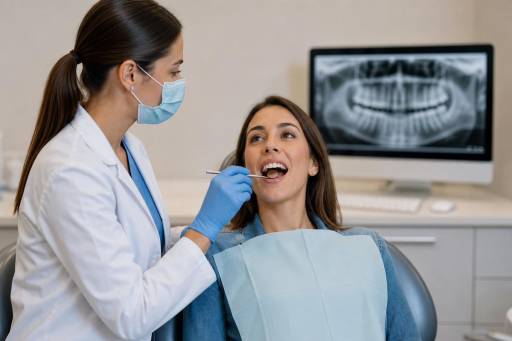
Your dentist will also consider your bite and habits such as teeth grinding, which can affect the durability of the bonded fragment. Imaging and clinical examination help reveal any hidden damage or decay that might impact the restoration's success. When bonding is suitable, it offers a conservative approach that preserves more of your natural tooth compared to crowns or veneers.
The Bonding Procedure: Step-by-Step Restoration of a Fractured Tooth
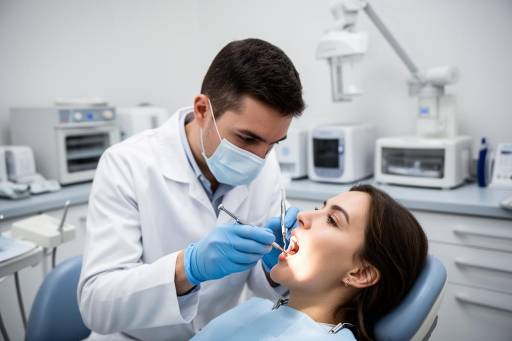
The dental bonding process to reattach a broken front tooth fragment involves several precise steps to ensure a strong, natural-looking restoration. First, the dentist cleans both the broken tooth and the fragment thoroughly to remove debris and contaminants. The surfaces are then etched with a mild acid to improve adhesive bonding.
Next, a dental adhesive is applied to both the tooth and fragment surfaces. The fragment is carefully positioned back onto the tooth and held in place while the adhesive is cured, usually with a special blue light that hardens the bonding material. After secure attachment, composite resin may be applied to fill any gaps and blend the edges, sculpting the tooth’s shape.
The restoration is polished to match the natural sheen of your teeth, providing a seamless appearance. The entire procedure is typically completed in a single visit and is minimally invasive, preserving your tooth’s natural structure while restoring function and aesthetics.
Advantages and Limitations of Bonding the Original Tooth Fragment
Bonding the original tooth fragment offers multiple benefits, primarily by preserving your natural tooth tissue and appearance. Since the actual fragment is reattached, it maintains the original color, translucency, and shape, often yielding superior aesthetic results compared to synthetic materials. The procedure is minimally invasive, usually painless, and can be completed quickly without extensive tooth preparation.
However, there are limitations to consider. The bonded fragment may be more fragile than intact teeth and can be prone to chipping or detachment over time, especially if exposed to biting forces or trauma. The longevity of the restoration depends on proper care, the quality of the bonding, and individual factors such as oral habits.
Some patients may require alternative restorations if the break is extensive or if the fragment is unsuitable for reattachment. Despite these limitations, bonding remains a cost-effective and conservative option for many front tooth fractures, balancing aesthetics and function.
Alternative Restorative Options for Front Tooth Fractures
When bonding the original fragment is not possible or recommended, several alternative restorative options can effectively repair a broken front tooth. Dental crowns are commonly used for more extensive fractures, covering the entire visible tooth to restore strength and appearance. Crowns can be made from porcelain or ceramic materials that closely mimic natural teeth.
Porcelain veneers offer a less invasive alternative to crowns for cases where the front surface is damaged but the tooth structure remains largely intact. Veneers are thin shells bonded to the front of the tooth, improving aesthetics and protecting the tooth.
In cases of severe damage or tooth loss, dental implants provide a permanent replacement solution by anchoring an artificial tooth directly into the jawbone. Each option varies in cost, procedure complexity, and recovery time, so a thorough dental evaluation helps determine the best fit for your specific situation.
Choosing the appropriate restoration depends on factors like the extent of the fracture, tooth health, and your personal preferences for durability and appearance.
Maintaining Your Restored Tooth and Follow-Up Care Tips
Proper care after bonding a broken front tooth is essential to prolong the restoration’s lifespan and maintain oral health. Gentle oral hygiene practices, including brushing twice daily with a soft-bristled toothbrush and flossing, help prevent plaque buildup and gum disease around the restored tooth.
Avoid biting into very hard foods or using your teeth as tools, as these habits can stress the bonded fragment and lead to chipping or detachment. Regular dental check-ups allow your dentist to monitor the restoration’s integrity and perform professional cleaning.
If you notice any sensitivity, discoloration, or loosening of the bonded fragment, seek dental evaluation promptly. In some cases, minor repairs or touch-ups of the bonding material may be needed to maintain optimal function and appearance.
Following these care guidelines supports the durability of your restored tooth and helps you enjoy a confident smile.
Frequently Asked Questions
Q: Can the original fragment be used for reattachment if it's broken into multiple pieces?
Restore Cavities, Cracks, and Damaged Teeth
Answer a few short questions and HealthNode will help you connect with the right restorative dentist for fillings or tooth repair.
Pain, Sensitivity, and Damage
This helps us understand whether you may need a simple filling, tooth restoration, root canal evaluation, or another treatment.
Previous Dental Care and Preferences
A few details help the dentist understand the best restoration option for your tooth.
Final Details
Share anything important so the dentist can better understand your case.
Contact information
Your information is only used to contact you and is never shared with third parties.
Your request has been received!
Thank you. If you have dental X-rays, photos of the damaged tooth, previous filling records, root canal records, treatment plans, or information about tooth pain or sensitivity, please keep them ready. A HealthNode consultant will guide you through the next step.
A: Reattachment works best when the fragment is intact or in large pieces. If the fragment is shattered into many small pieces, bonding may not be feasible, and alternative restorative methods might be necessary.
Q: How long does a bonded reattachment typically last?
A: The lifespan of a bonded tooth fragment varies by individual care and bonding quality. With proper maintenance, it can last several years but may be more susceptible to chipping or detachment compared to other restorations.
Q: Is bonding a painful procedure?
A: Bonding is usually minimally invasive and often does not require anesthesia. If needed, local anesthesia can be administered, making the procedure comfortable and generally painless.
Q: What are the risks of bonding a broken front tooth?
A: Risks include possible re-fracture, bonding failure, or discoloration over time. These risks are minimized by skilled dental technique and good oral hygiene practices.
Q: When should I consider other restorative options instead of bonding?
A: If the fracture is extensive, involves the tooth root, or the fragment cannot be securely reattached, other options like crowns or veneers may provide better durability and protection.
The information provided is for educational purposes only and does not constitute medical advice. Always consult with a healthcare professional for medical guidance specific to your situation.