Quick Answer
Planning tooth restoration in Turkey when you wear a night guard requires a thorough dental assessment to ensure compatibility between the night guard and the restorations, careful selection of restoration options, and coordination with experienced dental professionals to maintain oral health and night guard effectiveness.
- A comprehensive dental evaluation is essential to assess tooth wear, decay, and how the night guard fits before restoration.
- Restorative options like fillings, crowns, and veneers must be chosen considering their impact on night guard fit and function.
- Bringing your current night guard or its specifications to the dental appointment helps the dentist plan necessary adjustments.
- Post-treatment, the night guard may need modification or replacement to protect new restorations effectively.
- Regular dental check-ups and good oral hygiene support the longevity of restorations and night guard use.
- Choosing a reputable Turkish dental clinic experienced with night guard users improves treatment outcomes.
- Clear communication about night guard use and expectations with your dentist is important for a successful restoration process.
Planning Tooth Restoration in Turkey When You Already Wear a Night Guard
When you wear a night guard and plan to undergo tooth restoration in Turkey, careful coordination between your existing oral appliance and the restorative treatment is essential for optimal results. A comprehensive dental assessment will determine how your night guard fits with your current dental health and what restoration options suit your needs while preserving the function of your night guard.
Turkey has become a popular destination for dental restorations due to its combination of high-quality dental care and cost-effective treatment options. However, if you already use a night guard to manage teeth grinding or clenching, your treatment plan should be thoughtfully designed to ensure your night guard remains effective and compatible with your new restorations.
By understanding your dental condition, selecting appropriate restorative procedures, preparing thoroughly for treatment, and choosing an experienced clinic, you can achieve long-lasting results that maintain your oral health and protect your investment in a night guard.
Restore Cavities, Cracks, and Damaged Teeth
Answer a few short questions and HealthNode will help you connect with the right restorative dentist for fillings or tooth repair.
Pain, Sensitivity, and Damage
This helps us understand whether you may need a simple filling, tooth restoration, root canal evaluation, or another treatment.
Previous Dental Care and Preferences
A few details help the dentist understand the best restoration option for your tooth.
Final Details
Share anything important so the dentist can better understand your case.
Contact information
Your information is only used to contact you and is never shared with third parties.
Your request has been received!
Thank you. If you have dental X-rays, photos of the damaged tooth, previous filling records, root canal records, treatment plans, or information about tooth pain or sensitivity, please keep them ready. A HealthNode consultant will guide you through the next step.
Assessing Your Dental Condition and Night Guard Compatibility
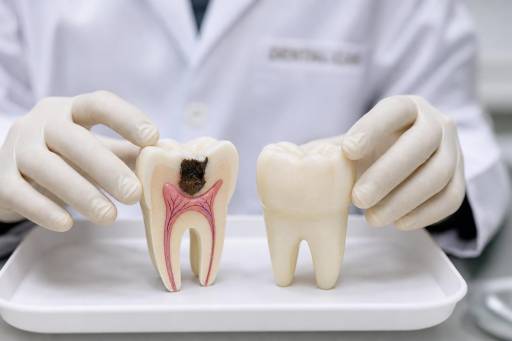
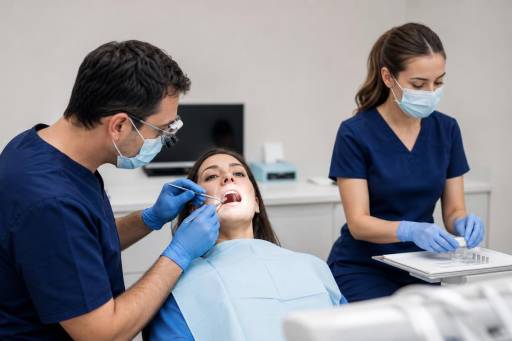
Before starting any restorative dental work in Turkey, a detailed evaluation of your dental health is crucial. This assessment includes examining tooth wear, decay, existing restorations, and how your night guard currently fits and functions. Such an evaluation helps identify any conflicts between your night guard and potential restoration sites.
Your dentist will check for signs of damage caused by bruxism (teeth grinding) or clenching, which is often the reason for wearing a night guard. Understanding the degree of tooth wear and any underlying dental issues ensures your restoration plan addresses both cosmetic and functional needs.
Compatibility with your night guard is a key consideration. Some restorations might alter the shape or height of your teeth, which could affect how your night guard fits. The dentist may need to adjust your night guard or recommend a new one after treatment to maintain proper protection.
A thorough dental health check also involves imaging and impressions to map your bite and oral anatomy accurately. This data supports a tailored approach that minimizes disruption to your night guard use and maximizes the durability and comfort of your restorations.
Choosing the Right Tooth Restoration Options for Night Guard Wearers
Selecting the appropriate tooth restoration method involves balancing durability, aesthetics, and compatibility with your night guard. Common options include dental fillings, crowns, and veneers, each with specific considerations.
Dental fillings are suitable for smaller cavities or minor damage. Composite resin fillings can be color-matched and shaped to work harmoniously with your existing teeth and night guard. For more extensive damage or tooth structure loss, crowns offer stronger protection and full coverage. Crowns must be carefully designed to avoid interfering with your night guard's fit.
Veneers provide a cosmetic solution for front teeth with wear or discoloration. While veneers enhance appearance, they require precise planning to ensure the night guard does not cause undue pressure or damage the veneers over time.
Your dentist in Turkey will recommend options that preserve your night guard's function while restoring your teeth. The choice depends on your specific dental condition, bruxism severity, and aesthetic goals. Sometimes a combination of restorations is necessary for the best outcome. These recommendations are supported by available sources, though the authority of these sources is limited, so it is important to discuss your individual case thoroughly with your dental professional.
Preparing for Dental Treatment in Turkey as a Night Guard User
Proper preparation for your tooth restoration in Turkey includes consultations, dental imaging, and coordination with your current night guard provider. Initial consultations allow you to discuss your dental history, night guard use, and treatment expectations with your Turkish dental specialist.
Dental imaging such as X-rays or 3D scans provides a comprehensive view of your teeth and jawbone, essential for planning precise restorations that accommodate your night guard. Sharing details about your night guard’s material and design helps the dentist anticipate any adjustments needed.
It is advisable to bring your current night guard or detailed specifications to your appointment. This enables the dental team to assess its condition and compatibility with your planned treatment. In some cases, modifications or a new night guard may be recommended to ensure optimal fit post-restoration.
Coordinating these steps before your trip minimizes surprises during treatment and supports a smoother procedure and recovery.
Ensuring Long-term Success with Restorative Work and Night Guard Use
Maintaining your dental restorations while continuing to use a night guard requires ongoing care and regular dental check-ups. Your dentist will guide you on when to resume night guard use after treatment, usually once restorations have fully settled and healed.
Proper fit of the night guard is critical to protect your new dental work from grinding forces. If your restorations change your bite or tooth shape, your night guard may need to be adjusted or remade. Using a night guard designed specifically for restored teeth helps prevent damage and prolongs restoration longevity.
Post-treatment care also includes good oral hygiene practices and avoiding habits that may compromise your restorations. Regular dental visits in Turkey or at home ensure early detection of any issues related to the restoration or night guard wear.
With careful maintenance and professional follow-up, your restorative dental work and night guard can function together effectively for years to come.
Choosing a Reputable Dental Clinic in Turkey for Restorative Procedures
Selecting an accredited dental clinic in Turkey with experience in restorative dentistry and night guard management is key to successful treatment. Look for clinics that employ board-certified dentists skilled in handling patients with bruxism and night guard use.
Patient reviews, clinic accreditations, and technology used are important indicators of quality care. Clinics offering personalized treatment planning and clear communication about night guard considerations tend to deliver better outcomes.
Many Turkish dental centers provide comprehensive services, including night guard fabrication or adjustment, allowing continuity of care. Choosing a clinic that supports your specific needs helps ensure your restorations and night guard work in harmony.
Discussing your night guard use upfront and confirming the clinic’s experience with similar cases will build your confidence and optimize your treatment journey in Turkey.
Frequently Asked Questions
Q: Can I wear my night guard during tooth restoration procedures?
Restore Cavities, Cracks, and Damaged Teeth
Answer a few short questions and HealthNode will help you connect with the right restorative dentist for fillings or tooth repair.
Pain, Sensitivity, and Damage
This helps us understand whether you may need a simple filling, tooth restoration, root canal evaluation, or another treatment.
Previous Dental Care and Preferences
A few details help the dentist understand the best restoration option for your tooth.
Final Details
Share anything important so the dentist can better understand your case.
Contact information
Your information is only used to contact you and is never shared with third parties.
Your request has been received!
Thank you. If you have dental X-rays, photos of the damaged tooth, previous filling records, root canal records, treatment plans, or information about tooth pain or sensitivity, please keep them ready. A HealthNode consultant will guide you through the next step.
A: Whether you can wear your night guard during restoration depends on the specific procedure. Some treatments require adjustments to your night guard to ensure proper fit and avoid interference. Your dentist will advise you on when and how to use your night guard throughout the process.
Q: Will my existing night guard affect the choice of restorative treatment?
A: Yes, the material and fit of your night guard influence which restoration options are best. Dentists consider how restorations alter tooth shape or height and whether your night guard will still fit comfortably and provide protection.
Q: How long should I wait after restoration before resuming night guard use?
A: Typically, night guard use can resume once your dentist confirms that restorations are stable and fully healed. This usually takes a few days to several weeks, depending on the treatment extent and your healing response.
Q: Are there specific dental clinics in Turkey experienced with night guard wearers?
A: Many reputable Turkish dental clinics have experience treating patients who wear night guards. They offer specialized restorative services and can provide or adjust night guards to ensure compatibility with your new dental work.
Q: What should I tell my Turkish dentist about my night guard?
A: Inform your dentist about the type of night guard you use, its material, how often you wear it, and any discomfort or issues experienced. This helps the dentist tailor your treatment plan and plan for adjustments or replacements if needed.
Q: Is it safe to get tooth restoration in Turkey for someone with a night guard?
A: Yes, tooth restoration in Turkey is safe for night guard users when planned carefully with a qualified dental professional. Proper assessment and coordination ensure your night guard continues to protect your teeth post-treatment.
The information provided is for educational purposes only and does not constitute medical advice. Always consult with a healthcare professional for medical guidance specific to your situation.