Quick Answer
If you dislike your veneers at the try-in appointment, communicate your concerns clearly with your dentist to explore possible adjustments or discuss options for remaking the veneers before final bonding.
- The try-in appointment is a crucial stage to assess the veneers' appearance and make necessary adjustments before permanent bonding.
- Express your specific esthetic concerns about color, shape, size, or fit openly and respectfully to your dentist.
- Dentists can make various refinements such as reshaping, polishing, or consulting with the lab to alter veneer color or translucency.
- If adjustments do not resolve your dissatisfaction, discuss the possibility of remaking the veneers with your dentist.
- Remaking veneers typically takes several days to two weeks depending on the lab and complexity of changes.
- Clear communication and collaboration with your dental team help ensure the final veneers meet your smile goals.
- Before final placement, review the veneers again and confirm all concerns are addressed to increase satisfaction with the outcome.
What Should You Do if You Dislike Your Veneers at the Try-In Appointment?
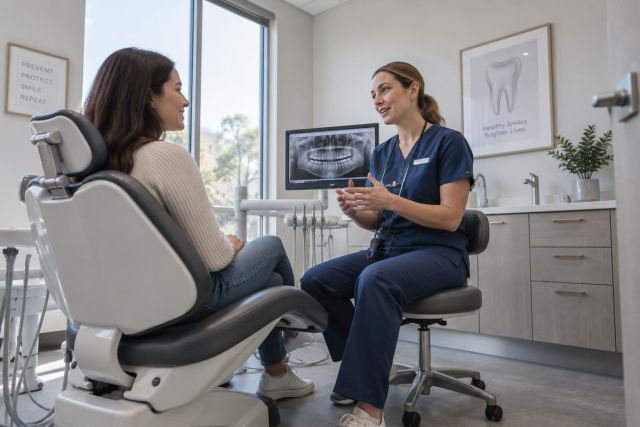
If you find yourself unhappy with the look of your dental veneers during the try-in appointment, it is important to communicate your concerns clearly and work closely with your dentist before the final bonding. The try-in stage is designed precisely so that adjustments can be made to the veneers' shape, color, or fit to better meet your aesthetic expectations. Your dentist can guide you through possible refinements or, if necessary, discuss options for remaking the veneers.
Dental veneers are thin shells placed over your natural teeth to improve appearance, but since they are custom-made, the try-in appointment serves as a crucial checkpoint. This is your chance to see how the veneers look and feel before they are permanently bonded. Expressing your honest feedback helps ensure the final result aligns with your smile goals.
Many patients feel some hesitation about speaking up, but it is always better to address any dissatisfaction early. Understanding what can be adjusted or redone, and knowing the typical timeline and next steps, can give you confidence in the process. Open, constructive communication with your dental provider is key to achieving a smile you love.
Find Out If Dental Veneers Are Right for Your Smile
Answer a few short questions and HealthNode will help you connect with the right cosmetic dentist or smile design specialist.
Your Teeth and Current Situation
This helps us understand whether veneers, bonding, crowns, whitening, or orthodontics may be more suitable.
Dental Health Check
A few details help the specialist understand whether any dental treatment may be needed before veneers.
Final Details
Share anything important so the specialist can better understand your expectations.
Contact information
Your information is only used to contact you and is never shared with third parties.
Your request has been received!
Thank you. If you have recent dental photos, dental X-rays, smile design plans, previous veneer or crown records, gum treatment notes, or orthodontic records, please keep them ready. A HealthNode consultant will guide you through the next step.
Expressing Your Concerns Effectively During the Veneer Try-In
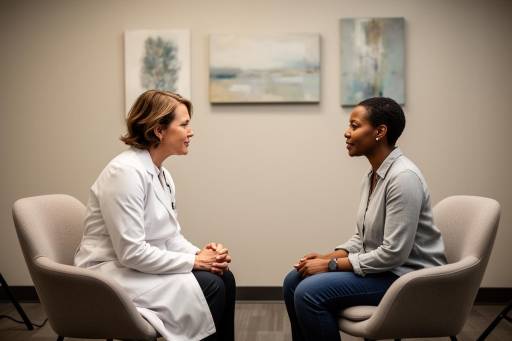
During the veneer try-in appointment, the most important thing is to communicate your concerns clearly and constructively with your dentist. This is your opportunity to provide esthetic feedback on aspects such as color, shape, size, or how natural the veneers look. Being specific about what you do and don’t like, whether the shade feels too bright or the shape doesn’t suit your face, helps your dentist understand your preferences.
Try to be honest but respectful, keeping in mind that the veneers are not permanently bonded yet and adjustments are still possible. You can ask questions about what changes can be made and listen to your dentist’s professional recommendations. Sometimes, it helps to bring photos of smiles you admire or examples of colors you prefer to illustrate your ideal outcome.
Good communication during this phase builds trust and ensures your dentist and the dental technician have clear guidance on the esthetic modifications you want. Remember, the goal is a collaborative process where your input shapes the final result to your satisfaction.
What Your Dentist Can Do to Adjust Veneer Appearance Before Finalizing
At the try-in stage, your dentist can make various cosmetic refinements to improve the veneers’ appearance before permanently bonding them. Adjustments might include reshaping the edges, modifying the contours, or slightly changing the thickness to better fit your bite and smile line. Sometimes, the dentist can polish the surface or adjust the veneer translucency to enhance natural-looking aesthetics.
If the color is not quite right, your dentist can consult with the dental technician who fabricated the veneers to alter the shade or layering during the final production. Some changes can be made chairside, while others require sending the veneers back to the lab for refinement. This collaborative process between dentist and technician ensures that your esthetic concerns are addressed with precision.
Your dentist’s ability to modify veneers depends on the material used and how far along the process is. For example, porcelain veneers are more delicate to adjust than composite ones. Discuss openly what adjustments are feasible and what might require remaking the veneers to meet your expectations.
When to Consider Replacing or Refining Your Veneers
Sometimes, despite adjustments, you might still feel dissatisfied with the veneers at the try-in appointment. Signs that replacement or further refinement is needed include persistent issues with color mismatch, unnatural shape, poor fit, or discomfort. If these concerns impact your confidence in the final outcome, it is reasonable to ask your dentist about remaking the veneers.
Refinement involves carefully modifying the veneers to improve esthetics or function without a full remake. However, if the veneers do not align with your smile goals or dental anatomy after multiple attempts, replacement might be necessary. Your dentist will assess whether changes can achieve your desired look or if starting fresh is the best course.
Patient satisfaction is paramount, and a skilled dental team will prioritize your comfort and esthetic approval. Do not hesitate to express when something still feels off after adjustments. Clear communication and realistic expectations help guide decisions about refinement versus replacement to ensure a result you can be happy with.
Next Steps and Timeline After Disliking Veneers at Try-In
If you dislike your veneers at the try-in appointment, the next steps usually involve discussing what specific changes you want with your dentist. Based on your feedback, your dentist will plan either adjustments or a remake, which can affect the treatment timeline. Adjustments made chairside may be completed immediately or within a few days, while remaking veneers generally requires sending them back to the dental laboratory.
The process of remaking veneers typically takes from several days up to two weeks, depending on the lab’s workload and the complexity of the changes. During this time, your dentist may provide temporary restorations or leave you with your natural teeth to maintain comfort and function.
Open patient-dentist communication during this phase is important to ensure you feel informed and involved. Your dentist will explain the timing and what to expect at each follow-up visit. Knowing the timeline helps you plan accordingly and reduces anxiety about the treatment progress.
How to Prepare for Your Final Veneer Placement to Ensure Satisfaction
Preparing for your final veneer placement involves clear communication about your esthetic preferences and confirming that all concerns have been addressed. Before the final bonding, review the veneers one last time with your dentist and express any lingering doubts or requests. This is your final chance to approve the shape, color, and fit.
Ask your dentist to explain the bonding procedure and how the veneers will be permanently attached to your teeth. Understanding the process can ease any nerves and help you prepare mentally. Maintaining good oral hygiene and following any pre-treatment instructions supports the best outcome.
Your active participation and openness throughout the veneer process increase the likelihood of satisfaction with your new smile. Trust that your dental team aims to achieve results that align with your vision while ensuring dental health and functionality.
Frequently Asked Questions
Q: Can I ask my dentist to remake my veneers if I am unhappy with them?
Find Out If Dental Veneers Are Right for Your Smile
Answer a few short questions and HealthNode will help you connect with the right cosmetic dentist or smile design specialist.
Your Teeth and Current Situation
This helps us understand whether veneers, bonding, crowns, whitening, or orthodontics may be more suitable.
Dental Health Check
A few details help the specialist understand whether any dental treatment may be needed before veneers.
Final Details
Share anything important so the specialist can better understand your expectations.
Contact information
Your information is only used to contact you and is never shared with third parties.
Your request has been received!
Thank you. If you have recent dental photos, dental X-rays, smile design plans, previous veneer or crown records, gum treatment notes, or orthodontic records, please keep them ready. A HealthNode consultant will guide you through the next step.
A: Yes, if you are dissatisfied with the appearance of your veneers during the try-in, your dentist can often remake or adjust them to better meet your expectations, depending on the situation.
Q: How long does it typically take to get new veneers after rejection at the try-in?
A: The timeline varies, but generally, remaking veneers can take a few days to a couple of weeks, depending on the laboratory process and scheduling.
Q: Is it common to dislike veneers at the try-in stage?
A: While most patients are satisfied at the try-in stage, it's not uncommon to have concerns or want adjustments to achieve the desired look.
Q: What should I do if I still dislike my veneers after adjustments?
A: Discuss your concerns openly with your dentist. If dissatisfaction persists, you may consider options such as remaking the veneers or exploring alternative treatments.
Q: Will my veneers look different after final placement?
A: Yes, the final placement can sometimes differ slightly from the try-in, but your dentist will work with you to ensure the final result aligns with your expectations.
The information provided is for educational purposes only and does not constitute medical advice. Always consult with a healthcare professional for medical guidance specific to your situation.