Quick Answer
The CDCP recommends different replacement timelines for acrylic and cast partial dentures due to differences in material durability and how each interacts with changes in the oral environment over time. Acrylic partial dentures typically require replacement every 5 to 7 years, while cast partial dentures can last longer, often beyond 7 years if well maintained.
- Acrylic partial dentures are made entirely of acrylic resin and are less durable, making them suitable for temporary or short-term use.
- Cast partial dentures have a metal framework that provides greater strength, durability, and a more precise fit, making them preferable for long-term use.
- Material wear, oral health changes, and patient habits influence how long partial dentures last before needing replacement.
- The CDCP recommends replacing acrylic partial dentures every 5 to 7 years due to faster wear and structural degradation.
- Cast partial dentures can be replaced less frequently, sometimes after more than 7 years, because of their durable metal framework.
- Signs that a partial denture needs repair or replacement include looseness, visible damage, discomfort, changes in bite, and difficulty speaking.
- Proper care, including daily cleaning and regular dental check-ups, helps extend the lifespan of partial dentures and maintain oral health.
Acrylic or Cast Partial Denture: Why Does the CDCP Replace Them on Different Timelines?
Acrylic and cast partial dentures serve as common tooth replacement options, yet they require replacement at different intervals as recommended by the CDCP. This variation stems mainly from differences in material durability, design, and how each type interacts with changes in your oral environment over time.
Acrylic partial dentures are generally less durable and more prone to wear and fracture compared to cast partial dentures, which are made with a metal framework providing enhanced strength and fit. This intrinsic difference impacts how long each type typically lasts and why the CDCP suggests distinct replacement timelines. Understanding these factors empowers you to maintain your denture properly and anticipate when professional evaluation or replacement might be necessary.
Navigating denture replacement schedules can be confusing, especially when balancing comfort, function, and oral health. By exploring the materials used, influencing factors on denture longevity, and the CDCP's rationale for varying timelines, you can make more informed decisions about your dental prosthetic care. Always consult your dental professional for personalized advice tailored to your oral health needs.
Restore Your Smile With Dentures or Full-Mouth Prosthetics
Answer a few short questions and HealthNode will help you connect with the right prosthodontic or restorative dental specialist.
Comfort, Function, and Appearance
This helps us understand whether you may need new dentures, denture adjustment, implant-supported dentures, or full-mouth prosthetics.
Dental History and Treatment Planning
A few details help the specialist understand whether you may need extractions, denture relining, implants, or full-mouth reconstruction.
Health and Prosthetic Factors
These details help the specialist understand any factors that may affect healing, denture fit, or implant-supported options.
Contact information
Your information is only used to contact you and is never shared with third parties.
Your request has been received!
Thank you. If you have dental X-rays, panoramic X-ray, CBCT scan, previous denture records, implant records, extraction notes, gum treatment records, or photos of your current dentures, please keep them ready. A HealthNode consultant will guide you through the next step.
Differences Between Acrylic and Cast Partial Dentures
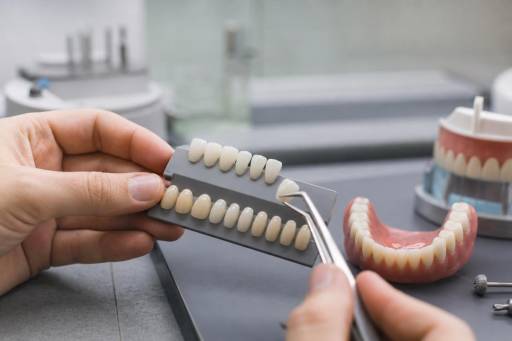
Acrylic and cast partial dentures differ primarily in the materials used and structural design, which influence their suitability and durability. Acrylic partial dentures are made entirely from acrylic resin, including the base and artificial teeth. This type is often chosen for its affordability and ease of adjustment, making it suitable for temporary or short-term use.
In contrast, cast partial dentures incorporate a metal framework, usually cobalt-chromium alloy, which supports the acrylic base and teeth. This metal framework offers greater strength and a more precise fit, enhancing comfort and function. Cast partials are typically preferred for long-term use due to their durability and stability.
The choice between acrylic and cast partial dentures often depends on individual oral health status, budget, and expected duration of use. Acrylic dentures may be favored when cost is a concern or when rapid fabrication is needed, while cast partials are recommended for patients seeking a more robust, long-lasting solution. Each type presents unique care requirements and replacement considerations due to their distinct construction and wear characteristics.
Factors Influencing the Replacement Timeline of Partial Dentures
Several clinical and personal factors affect how long acrylic and cast partial dentures last before replacement becomes necessary. Material wear is a key consideration; acrylic tends to wear down and accumulate stains or fractures more quickly, whereas the metal framework in cast partials resists damage better over time.
Oral health changes such as bone resorption, gum tissue shrinkage, and shifting teeth can alter the fit of any partial denture. These changes may necessitate relining, repair, or replacement to maintain function and comfort. Patient habits, including oral hygiene, diet, and how often the denture is worn, also impact durability.
Regular dental check-ups allow professionals to monitor your denture condition and oral tissues. Timely detection of damage or fit issues can extend the life of your denture through professional maintenance. Ultimately, a combination of material properties, your oral environment, and care habits determines the appropriate replacement schedule for your partial denture.
Why Does the CDCP Recommend Different Replacement Timelines?
The CDCP's recommendations for replacing acrylic and cast partial dentures reflect evidence-based assessments of material longevity, patient safety, and functional outcomes. Acrylic partial dentures, prone to faster wear and structural degradation, generally have a recommended replacement interval of about 5 to 7 years. This period balances cost-effectiveness with minimizing complications from ill-fitting or damaged prosthetics.
In contrast, cast partial dentures, with their durable metal framework and superior fit, often warrant longer intervals between replacements, sometimes extending beyond 7 years if well maintained. The CDCP guidelines recognize these differences to optimize oral health care and resource use.
These professional recommendations also consider risks associated with wearing compromised dentures, such as tissue irritation, difficulty chewing, or increased risk of infections. By adhering to these timeframes, patients can reduce such risks and maintain better oral function. Discussing your denture type and replacement schedule with your dentist helps align care with the CDCP's evidence-based standards.
Signs Your Partial Denture Needs Replacement or Repair
Recognizing when your partial denture requires replacement or repair is essential for maintaining comfort and oral health. Common signs include looseness or poor fit, which can cause irritation or difficulty chewing. Visible damage such as cracks, fractures, or worn teeth also indicates that repair or replacement may be necessary.
Persistent discomfort or soreness in the gums, changes in bite alignment, or difficulty speaking clearly can signal that your denture no longer fits properly due to oral changes. If you experience any of these symptoms, it is important to consult your dental professional promptly.
Timely intervention can prevent more serious complications such as tissue ulcers or accelerated bone loss. Even if repairs seem feasible, dentists may recommend replacement if the denture's structural integrity is compromised or if the fit cannot be adequately restored.
Maintaining Your Partial Denture for Longevity and Oral Health
Proper care and maintenance of your partial denture play a crucial role in extending its lifespan and preserving your oral health. Daily cleaning with a soft denture brush and mild cleanser removes food particles and plaque, reducing the risk of staining and infections.
Handling your denture carefully to avoid dropping or bending it helps prevent fractures, especially in acrylic dentures which are more fragile. Avoiding very hard or sticky foods can minimize stress on the denture and supporting tissues.
Regular dental check-ups allow your provider to assess the fit and condition of your partial denture, performing adjustments or professional cleanings as needed. Following these care guidelines supports comfort and function while delaying the need for replacement.
Frequently Asked Questions
Q: How often should I replace my acrylic or cast partial denture?
A: Replacement frequency depends on the denture type and oral health. Acrylic partial dentures typically last about 5 to 7 years, while cast partial dentures can last longer if well maintained. Regular dental visits help determine the best timing for your replacement.
Q: What are the signs that my partial denture needs to be replaced?
Restore Your Smile With Dentures or Full-Mouth Prosthetics
Answer a few short questions and HealthNode will help you connect with the right prosthodontic or restorative dental specialist.
Comfort, Function, and Appearance
This helps us understand whether you may need new dentures, denture adjustment, implant-supported dentures, or full-mouth prosthetics.
Dental History and Treatment Planning
A few details help the specialist understand whether you may need extractions, denture relining, implants, or full-mouth reconstruction.
Health and Prosthetic Factors
These details help the specialist understand any factors that may affect healing, denture fit, or implant-supported options.
Contact information
Your information is only used to contact you and is never shared with third parties.
Your request has been received!
Thank you. If you have dental X-rays, panoramic X-ray, CBCT scan, previous denture records, implant records, extraction notes, gum treatment records, or photos of your current dentures, please keep them ready. A HealthNode consultant will guide you through the next step.
A: Look for looseness, visible cracks or damage, persistent discomfort, and changes in your bite or speech. These signs indicate your denture may no longer fit properly or function well, signaling the need for repair or replacement.
Q: Can I repair my partial denture instead of replacing it?
A: Minor damage like small cracks or loose teeth can often be repaired. However, extensive wear or structural issues usually require replacement to ensure proper fit and comfort. Your dentist can advise which option suits your situation best.
Q: How can I extend the life of my partial denture?
A: Maintain good oral hygiene by cleaning your denture daily with appropriate tools. Avoid hard or sticky foods that strain the denture, handle it carefully to prevent damage, and attend routine dental check-ups for professional care and adjustments.
Q: Are there risks if I delay replacing my worn-out denture?
A: Delaying replacement can cause oral tissue irritation, infections, difficulty chewing, and worsening fit due to ongoing changes in your mouth. These issues may lead to further complications and discomfort.
Q: Does the type of denture affect how often I need replacements?
A: Yes, acrylic dentures generally wear out faster and need more frequent replacement than cast partial dentures. The material and design differences influence durability and replacement intervals.
The information provided is for educational purposes only and does not constitute medical advice. Always consult with a healthcare professional for medical guidance specific to your situation.