Quick Answer
Follow-up adjustments for full dentures received in Turkey from the UK should be planned with scheduled visits typically starting within the first week after placement, clear communication with the Turkish dental team, and understanding the adjustment procedures to ensure optimal fit and comfort.
- The first follow-up visit is usually scheduled within 3 to 7 days after denture placement to address initial discomfort or pressure points.
- Patients often require 2 to 4 follow-up appointments within the first 2 to 3 months for incremental adjustments to optimize denture fit.
- Clear communication about symptoms such as soreness, looseness, or speech difficulties is essential for precise adjustments.
- Follow-up adjustments may include reshaping, relining, or polishing the dentures to improve fit and function.
- Remote consultations are available for initial concerns, but many adjustments require in-person visits for clinical evaluation.
- Planning follow-up visits in advance helps coordinate travel and ensures timely care with the Turkish dental provider.
- Long-term denture success involves regular maintenance, good oral hygiene, and annual check-ups to monitor fit and oral health.
Full Dentures in Turkey From the UK: How Should Follow-Up Adjustments Be Planned?
Planning effective follow-up adjustments after receiving full dentures in Turkey is essential to ensure comfort, function, and long-term success. Proper scheduling of follow-up visits, clear communication with your dental team, and understanding the adjustment procedures all contribute to achieving the best outcomes from your denture treatment abroad.
For UK patients considering full dentures in Turkey, the journey does not end after the initial fitting. Since dentures must adapt to the unique contours of your mouth and ongoing changes in oral tissues, follow-up care is critical. This includes timely visits to your Turkish dental provider for adjustments to address fit issues, soreness, or functional challenges.
Being informed about what to expect during follow-ups and how to maintain your dentures afterward empowers you to manage your oral health confidently. This guidance supports you in planning your treatment and travel efficiently while maximizing the benefits of your denture investment.
Restore Your Smile With Dentures or Full-Mouth Prosthetics
Answer a few short questions and HealthNode will help you connect with the right prosthodontic or restorative dental specialist.
Comfort, Function, and Appearance
This helps us understand whether you may need new dentures, denture adjustment, implant-supported dentures, or full-mouth prosthetics.
Dental History and Treatment Planning
A few details help the specialist understand whether you may need extractions, denture relining, implants, or full-mouth reconstruction.
Health and Prosthetic Factors
These details help the specialist understand any factors that may affect healing, denture fit, or implant-supported options.
Contact information
Your information is only used to contact you and is never shared with third parties.
Your request has been received!
Thank you. If you have dental X-rays, panoramic X-ray, CBCT scan, previous denture records, implant records, extraction notes, gum treatment records, or photos of your current dentures, please keep them ready. A HealthNode consultant will guide you through the next step.
Key Factors in Planning Follow-Up Adjustments for Full Dentures
Follow-up adjustments are an integral part of the full denture treatment process, especially when receiving care internationally. For UK patients obtaining dentures in Turkey, planning these visits involves considering timing, communication, and the nature of adjustment procedures.
The initial follow-up typically occurs within the first week after denture placement to address immediate discomfort or pressure points. Additional visits may be needed as your mouth adapts to the dentures. Scheduling these appointments in advance with your Turkish dental provider ensures you have access to timely care and can coordinate travel accordingly.
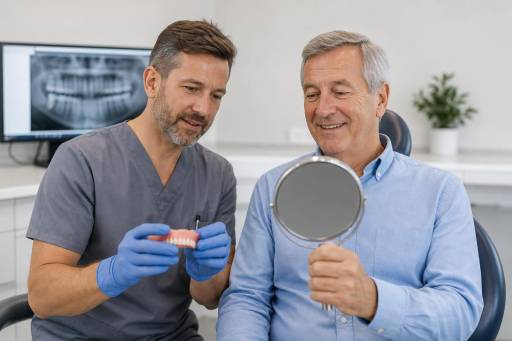
Effective communication between you and your dental team is crucial. You should clearly describe any pain, looseness, speech difficulties, or chewing problems to guide precise adjustments. Many clinics offer remote consultations for initial concerns, but some issues require in-person visits for clinical evaluation and modification.
Understanding that denture adjustments can involve reshaping, relining, or polishing the prosthesis helps set realistic expectations. Each procedure aims to improve the fit and function of your dentures, reducing irritation and enhancing comfort during daily use. Planning with your provider for these potential interventions helps avoid surprises and supports your overall satisfaction.
Timing and Frequency of Follow-Up Visits After Denture Placement
The timing of follow-up visits after receiving full dentures in Turkey is carefully structured to support your oral adaptation and healing process. According to dental guidelines and peer-reviewed studies, the first adjustment appointment is typically scheduled within 3 to 7 days post-placement, as initial soreness or pressure points often manifest during this period.
Subsequent visits are usually spaced over several weeks to months, depending on your individual adjustment and comfort level. Your dental provider will recommend a schedule based on how well your mouth is adapting to the dentures and whether any functional issues like speech or chewing difficulties arise.
It is common for patients to require 2 to 4 follow-up appointments within the first 2 to 3 months. This frequency allows your provider to make incremental adjustments to optimize fit. After this period, annual check-ups or as-needed visits are advised to maintain denture integrity and oral health.
Since international travel is involved, coordinating these visits with your Turkish dental team before treatment helps you plan return trips effectively. Some clinics may offer extended services or partnerships with local dentists for interim care, but in-person assessment remains ideal for precise adjustments.
Effective Communication with Your Turkish Dental Team During Follow-Ups
Clear and open communication with your dental team in Turkey is vital for successful follow-up adjustments of your full dentures. Since you may experience various symptoms such as sore spots, looseness, or speech changes, describing these issues accurately helps your dentist make targeted corrections.
Use specific language to explain the location and nature of discomfort or functional challenges. For example, indicate if soreness occurs during chewing or speaking, or if the denture feels loose when laughing or yawning. Photographs or video calls can also aid in conveying your concerns remotely.
Discuss your expectations and any lifestyle factors affecting denture use, such as dietary habits or social activities, to ensure your dental provider tailors the adjustments appropriately. If you notice rapid changes or severe pain, inform your team promptly to arrange timely care.
Many Turkish clinics have multilingual staff or interpreters to bridge language gaps, which enhances mutual understanding. Establishing a reliable communication channel before treatment begins can alleviate anxiety and improve your overall experience during follow-ups.
What to Expect During Follow-Up Adjustments for Full Dentures
Follow-up adjustments for full dentures primarily focus on improving comfort, fit, and function after the initial placement. These procedures address common issues such as sore spots, pressure areas, looseness, or difficulties with speech and chewing.
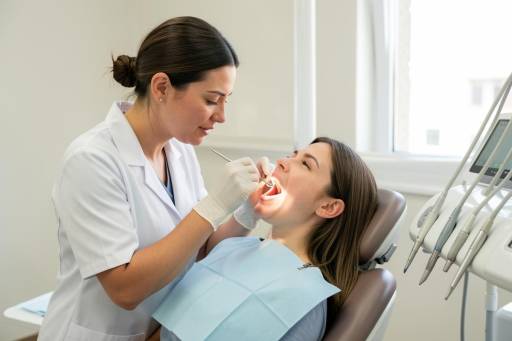
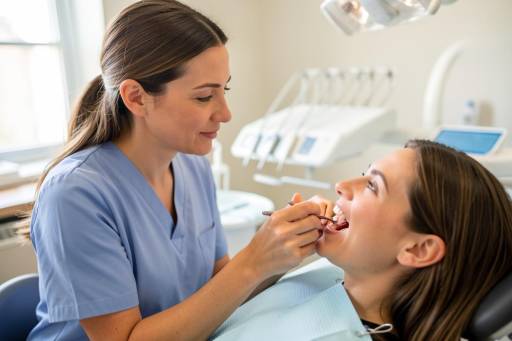
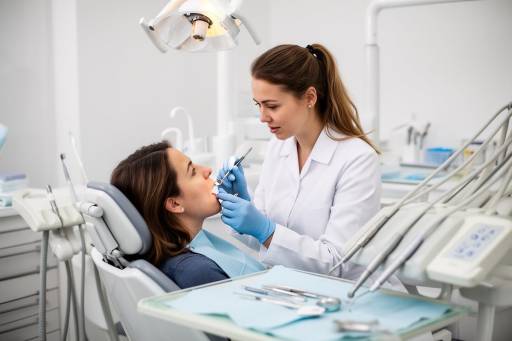
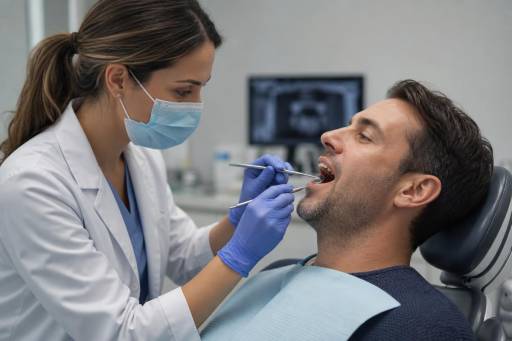
During an adjustment visit, your dental provider will carefully examine your dentures and oral tissues. They may use pressure indicator paste or other tools to identify high-pressure zones causing discomfort. Based on findings, adjustments include selective grinding or reshaping of the denture base and teeth to eliminate irritation.
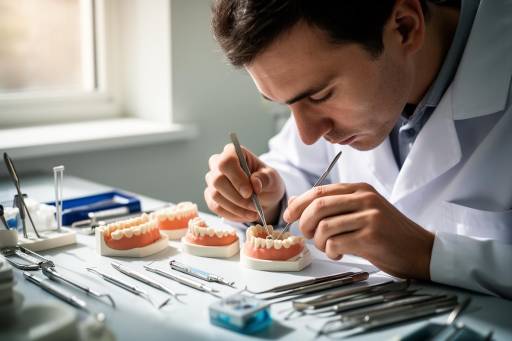
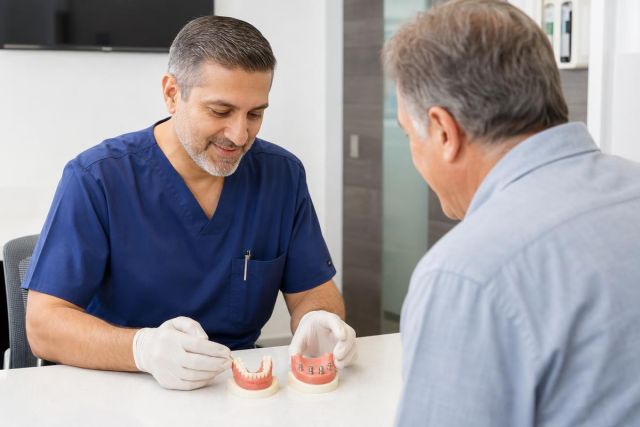
Relining is another frequent procedure where the interior surface of the denture is resurfaced with a soft or hard material to improve adaptation to changing gum contours. Polishing ensures smooth surfaces and reduces plaque accumulation.
These interventions generally take one or two sessions and can significantly enhance denture stability and patient comfort. Understanding this process helps set realistic expectations and encourages patients to report issues promptly for timely corrections.
Maintaining Long-Term Success with Your Full Dentures in Turkey
Sustaining the benefits of your full dentures over time requires dedicated maintenance and good oral hygiene. Proper cleaning of your dentures daily prevents staining and bacterial buildup, which can cause infections or odors.
Store dentures in water or a recommended soaking solution when not in use to keep them from warping. Avoid using abrasive cleaners or hot water that can damage the denture material.
Regular dental check-ups, ideally annually, allow your provider to assess the fit and condition of your dentures and oral tissues. Changes in your gums and bone structure over time may necessitate relining or replacement.
Lifestyle factors such as avoiding hard or sticky foods and quitting smoking contribute to denture longevity and oral health. If you experience new discomfort, changes in speech, or difficulty chewing, seek professional evaluation promptly.
Restore Your Smile With Dentures or Full-Mouth Prosthetics
Answer a few short questions and HealthNode will help you connect with the right prosthodontic or restorative dental specialist.
Comfort, Function, and Appearance
This helps us understand whether you may need new dentures, denture adjustment, implant-supported dentures, or full-mouth prosthetics.
Dental History and Treatment Planning
A few details help the specialist understand whether you may need extractions, denture relining, implants, or full-mouth reconstruction.
Health and Prosthetic Factors
These details help the specialist understand any factors that may affect healing, denture fit, or implant-supported options.
Contact information
Your information is only used to contact you and is never shared with third parties.
Your request has been received!
Thank you. If you have dental X-rays, panoramic X-ray, CBCT scan, previous denture records, implant records, extraction notes, gum treatment records, or photos of your current dentures, please keep them ready. A HealthNode consultant will guide you through the next step.
By proactively managing your dentures and maintaining communication with your Turkish dental provider, you can enjoy lasting comfort and function from your prosthesis.
Frequently Asked Questions
Q: How soon should I schedule my first follow-up after denture placement?
A: The first follow-up visit is generally recommended within one week after receiving your full dentures. This allows the dentist to address any immediate discomfort or fit issues that may arise as your mouth adjusts to the new prosthesis.
Q: Can I communicate my adjustment concerns remotely to my Turkish dentist?
A: Yes, many dental clinics in Turkey offer remote consultations via phone or video calls. You can describe symptoms and send photos to help your dentist evaluate whether an in-person adjustment is necessary.
Q: How often will I need follow-up adjustments after getting dentures in Turkey?
A: Typically, 2 to 4 follow-up visits are needed within the first few months to fine-tune the fit and function of your dentures. After this initial period, annual check-ups are advised to maintain denture health.
Q: What signs indicate I need to return for a denture adjustment?
A: Signs include persistent soreness, difficulty chewing or speaking, looseness, or visible damage to the denture. Promptly reporting these issues helps prevent complications and improves comfort.
Q: Is it possible to have follow-up care in the UK after receiving dentures in Turkey?
A: While some minor concerns can be managed by local dentists, precise adjustments generally require visits to your Turkish dental provider to ensure the best fit. Coordination between clinics can facilitate continuity of care.
The information provided is for educational purposes only and does not constitute medical advice. Always consult with a healthcare professional for medical guidance specific to your situation.