Quick Answer
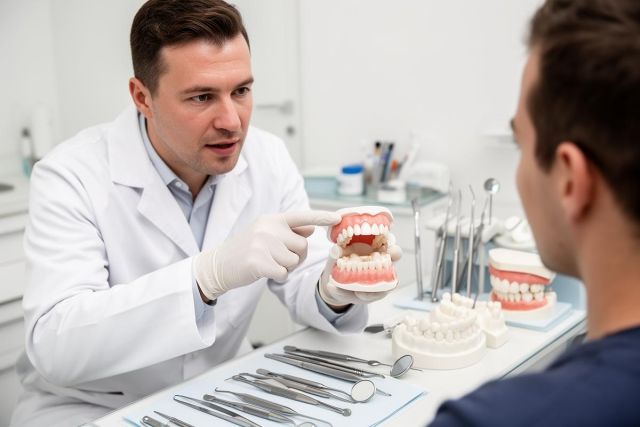
Dentures and full-mouth prosthetics work by replacing missing teeth and supporting oral tissues to restore chewing, speaking, and facial aesthetics. They can be removable or fixed, including implant-supported options, and are custom-made to fit the patient's mouth.
- Dentures are removable appliances that replace missing teeth and surrounding tissues, while full-mouth prosthetics restore entire dental arches.
- Types of dentures include complete, partial, and implant-supported, each suited to different clinical needs.
- The process involves dental evaluation, impressions, try-ins, fitting, and follow-up adjustments to ensure comfort and function.
- Modern dentures use materials like acrylic resin for bases and acrylic or porcelain for teeth, with digital technology improving fit and fabrication.
- Implant-supported dentures offer enhanced stability and help preserve jawbone density compared to traditional removable dentures.
- Dentures restore chewing ability, speech clarity, and facial structure, improving nutrition, communication, and self-confidence.
- Proper daily cleaning, soaking, oral hygiene, and regular dental check-ups are essential for maintaining dentures and oral health.
How Do Dentures and Full-Mouth Prosthetics Work?
Dentures and full-mouth prosthetics are specialized dental devices designed to replace missing teeth and restore both oral function and appearance. These appliances work by fitting securely over your gums or attaching to implants, enabling you to chew, speak, and smile with greater confidence and ease. Depending on your specific needs and oral condition, these prosthetics can be either removable or fixed, each offering distinct advantages.
Missing teeth can have a profound impact on your quality of life, affecting everything from your ability to eat and speak properly to changes in facial structure and self-esteem. The absence of teeth can lead to difficulties in biting and chewing, altered speech patterns, and a sunken facial appearance that may make you look older. Dentures and full-mouth prosthetics provide a practical and effective solution by recreating the look and function of natural teeth, helping to restore your oral health and overall well-being.
Understanding how these devices work, their types, benefits, and limitations is essential for making informed decisions about dental restoration. Since there are various types of dentures and prosthetics tailored to different clinical situations, it is important to discuss your options with a qualified dental professional. They can guide you through the best approach based on your oral health, lifestyle, and budget, including whether implant-supported options might be suitable for you. This collaborative process ensures that your chosen prosthetic meets your functional needs and aesthetic goals.
Restore Your Smile With Dentures or Full-Mouth Prosthetics
Answer a few short questions and HealthNode will help you connect with the right prosthodontic or restorative dental specialist.
Comfort, Function, and Appearance
This helps us understand whether you may need new dentures, denture adjustment, implant-supported dentures, or full-mouth prosthetics.
Dental History and Treatment Planning
A few details help the specialist understand whether you may need extractions, denture relining, implants, or full-mouth reconstruction.
Health and Prosthetic Factors
These details help the specialist understand any factors that may affect healing, denture fit, or implant-supported options.
Contact information
Your information is only used to contact you and is never shared with third parties.
Your request has been received!
Thank you. If you have dental X-rays, panoramic X-ray, CBCT scan, previous denture records, implant records, extraction notes, gum treatment records, or photos of your current dentures, please keep them ready. A HealthNode consultant will guide you through the next step.
Comprehensive Guide to Dentures and Full-Mouth Prosthetics
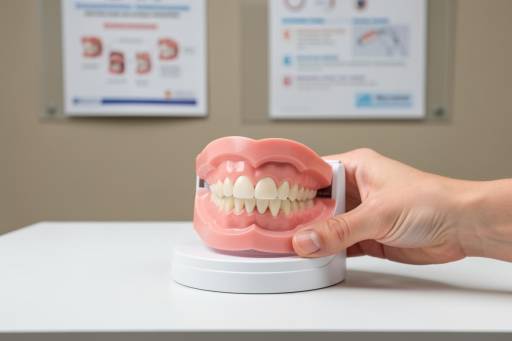
Dentures are removable dental appliances designed to replace missing teeth and the surrounding oral tissues. They are commonly used when natural teeth have been lost due to factors such as tooth decay, injury, or advanced gum disease. Full-mouth prosthetics refer to a complete set of artificial teeth that restore the entire upper or lower dental arch, often utilized when all teeth in that area are missing.
There are several types of dentures available to suit different clinical needs. Complete dentures replace all teeth in one or both jaws and are typically recommended when no natural teeth remain. Partial dentures fill in gaps where some natural teeth are still present, helping to maintain proper alignment and prevent shifting of remaining teeth. Implant-supported dentures attach securely to dental implants embedded in the jawbone, providing enhanced stability and comfort compared to traditional removable options.
The primary purpose of these prosthetics is to restore essential oral functions such as chewing and speaking, which can be significantly impaired by tooth loss. Additionally, dentures improve facial aesthetics by supporting soft tissues and preventing the sunken appearance that can occur without teeth. They also help maintain the health of any remaining teeth by preventing unwanted movement and distributing bite forces evenly.
Choosing the right type of denture or prosthetic depends on several factors including your oral health status, bone density, lifestyle preferences, and budget. A thorough evaluation by a dental professional is necessary to determine the most appropriate solution tailored to your individual needs and goals.
The Process of Getting Dentures and Prosthetics: What to Expect
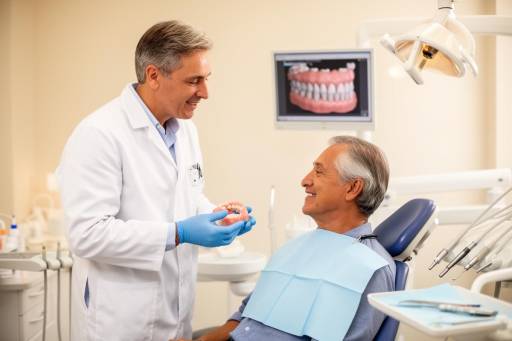
The journey to receiving dentures or full-mouth prosthetics typically begins with a comprehensive dental consultation. During this initial visit, your dentist will evaluate your oral health, including the condition of your gums, any remaining teeth, and jawbone structure. They will take impressions of your mouth and discuss your specific needs, lifestyle, and expectations. This assessment helps determine the most suitable type of prosthetic and treatment plan tailored to you.
Following the consultation, precise impressions and measurements are taken to create custom dentures that fit your gums and jaw structure accurately. In some cases, preliminary models or wax try-ins are fabricated to allow you and your dentist to evaluate the shape, fit, and appearance before the final prosthetics are made. This step may require several visits to ensure the dentures meet your comfort and aesthetic preferences.
Once the dentures or prosthetics are fabricated, you will attend a fitting appointment. Your dentist will carefully check the fit, comfort, and appearance, making any necessary modifications to optimize function and aesthetics. It is common to experience an adjustment period as you get used to the feel of wearing dentures, including changes in speech and chewing. Your dentist will provide guidance on how to adapt during this time.
Follow-up visits are an important part of the process to address any discomfort, sore spots, or looseness that may develop as your mouth adjusts. Regular check-ups also allow your dentist to maintain the fit and function of your prosthetics over time, making adjustments or repairs as needed. This ongoing care helps ensure that your dentures continue to serve you well and support your oral health long term.
Materials and Technologies Behind Modern Dentures
Modern dentures and full-mouth prosthetics have greatly benefited from advances in materials science and dental technology, which have enhanced their comfort, durability, and natural appearance. The base of most dentures is made from acrylic resin, a biocompatible material that closely mimics the color and texture of natural gums while remaining lightweight and comfortable to wear.
Artificial teeth in dentures are commonly made from either porcelain or acrylic. Porcelain teeth are prized for their excellent durability and lifelike translucency, which closely resembles natural tooth enamel. However, they tend to be more brittle and can chip or crack under certain conditions. Acrylic teeth, by contrast, are softer and less likely to cause wear on opposing natural teeth, making them a gentler option for patients who still have some natural dentition.
Technological advancements such as digital impressions and computer-aided design and manufacturing (CAD/CAM) have revolutionized the fabrication process. Digital impressions eliminate the need for traditional messy molds and provide highly accurate 3D images of the oral structures. CAD/CAM technology then uses these images to design and mill dentures with exceptional precision, resulting in improved fit, comfort, and function. These innovations also reduce the time required to produce dentures, allowing for faster turnaround and fewer adjustment visits.
Implant-supported prosthetics represent another significant advancement. Titanium implants are surgically placed into the jawbone, where they integrate with the bone tissue through a process called osseointegration. This creates a stable and secure foundation for attaching dentures, preventing slipping and improving chewing efficiency. Additionally, implant-supported dentures help preserve jawbone density by stimulating the bone, reducing the bone loss that commonly occurs with traditional removable dentures. This preservation of bone structure contributes to long-term oral health and facial aesthetics.
Benefits and Limitations of Dentures and Prosthetics
Dentures and full-mouth prosthetics offer several important benefits that can significantly improve quality of life. One of the primary advantages is the restoration of your ability to eat a wide variety of foods, which supports proper nutrition and digestion. These prosthetics also enhance speech clarity, helping you communicate more effectively by replacing missing teeth that affect pronunciation.
In addition to functional improvements, dentures support facial aesthetics by providing structure to the lips and cheeks. Without teeth, facial muscles can sag, leading to a sunken or aged appearance. Dentures help maintain a natural facial contour, boosting self-confidence and social interactions.
Dentures are generally a non-invasive and cost-effective option compared to other dental restorations such as implants or bridges, making them accessible to many patients. Implant-supported prosthetics, while more involved surgically, offer increased stability and comfort, reducing common issues like slipping, clicking, or irritation associated with traditional removable dentures.
However, it is important to recognize that dentures require an adaptation period during which you may experience changes in speech, chewing efficiency, and comfort. Traditional removable dentures can sometimes feel bulky or cause irritation if not properly fitted or if oral tissues change over time. They may also affect taste and oral sensation differently than natural teeth.
Limitations include the need for periodic replacement or relining as the shape of your gums and jawbone changes with age or bone resorption. Some individuals may find certain foods difficult to chew or feel that dentures are less comfortable than fixed prosthetics such as implant-supported bridges. Being aware of these pros and cons helps set realistic expectations and guides you in making informed decisions about your dental care.
Maintaining Your Dentures for Long-Term Success
Proper care and maintenance are essential to keep your dentures comfortable, functional, and aesthetically pleasing for as long as possible. Daily cleaning is crucial as it removes food particles, plaque, and bacteria that can accumulate on the denture surfaces, which helps prevent staining, unpleasant odors, and potential infections. Neglecting regular cleaning can lead to irritation of the gums and oral tissues, as well as bad breath.
Use a soft-bristled brush specifically designed for dentures along with a mild denture cleanser. These products are formulated to clean effectively without damaging the denture material. Avoid abrasive household cleaners, bleach, or regular toothpaste, as these can scratch or wear down the denture surface, leading to roughness that attracts more plaque and bacteria.
When you are not wearing your dentures, it is important to soak them in water or a denture-soaking solution to keep them moist. Dry dentures can warp or lose their shape, which compromises their fit and comfort. Soaking also helps to loosen debris and maintain the denture’s integrity.
Maintaining good oral hygiene is equally important. Brush your gums, tongue, and any remaining natural teeth daily to stimulate circulation and remove plaque. This helps prevent infections such as denture stomatitis and keeps your mouth healthy.
Restore Your Smile With Dentures or Full-Mouth Prosthetics
Answer a few short questions and HealthNode will help you connect with the right prosthodontic or restorative dental specialist.
Comfort, Function, and Appearance
This helps us understand whether you may need new dentures, denture adjustment, implant-supported dentures, or full-mouth prosthetics.
Dental History and Treatment Planning
A few details help the specialist understand whether you may need extractions, denture relining, implants, or full-mouth reconstruction.
Health and Prosthetic Factors
These details help the specialist understand any factors that may affect healing, denture fit, or implant-supported options.
Contact information
Your information is only used to contact you and is never shared with third parties.
Your request has been received!
Thank you. If you have dental X-rays, panoramic X-ray, CBCT scan, previous denture records, implant records, extraction notes, gum treatment records, or photos of your current dentures, please keep them ready. A HealthNode consultant will guide you through the next step.
Regular dental check-ups are vital for long-term success. Your dentist will assess the fit of your dentures, check for wear or damage, and make necessary adjustments or repairs. Ill-fitting dentures can cause discomfort, sores, and difficulty chewing. If you notice any discomfort, cracks, looseness, or changes in fit, consult your dentist promptly to avoid complications and ensure your dentures continue to function optimally.
Frequently Asked Questions
Q: How long does it take to get used to wearing dentures?
A: Adjusting to dentures usually takes a few weeks to a couple of months. During this time, you may experience some soreness or difficulty speaking and eating. Regular practice and follow-up with your dentist can help ease this transition.
Q: Can dentures be worn overnight?
A: Dentists generally recommend removing dentures at night to allow your gums to rest and reduce the risk of infections. Soaking dentures overnight also helps keep them clean and maintains their shape.
Q: Are implant-supported dentures better than traditional ones?
A: Implant-supported dentures provide greater stability and comfort because they anchor securely to implants in the jawbone. However, they require sufficient bone density and a surgical procedure. Your dentist can help determine if they are suitable for you.
Q: How often should dentures be replaced or adjusted?
A: Dentures typically need replacement or relining every 5 to 8 years due to changes in gum and bone structure. Regular dental visits are important to monitor fit and function and make adjustments as needed.
Q: What materials are dentures made from?
A: Most dentures are made from acrylic resin bases with artificial teeth made of acrylic or porcelain. These materials are chosen for their durability, biocompatibility, and natural appearance.
The information provided is for educational purposes only and does not constitute medical advice. Always consult with a healthcare professional for medical guidance specific to your situation.