Quick Answer
Immediate dentures are placed right after tooth extraction to provide instant tooth replacement, while permanent dentures are fitted after the gums have fully healed, typically several weeks later, resulting in better long-term fit and comfort. Timing affects denture fit, comfort, healing, and oral health outcomes as emphasized by CDC guidelines.
- Immediate dentures offer immediate tooth replacement but may require adjustments as gums and bone heal and change shape.
- Permanent dentures are fitted after healing, providing a more precise fit and greater stability over time.
- The CDC highlights that proper timing in denture placement reduces risks like sore spots, poor fit, and infection.
- Dental health, bone density, and healing capacity influence whether immediate or permanent dentures are appropriate.
- Lifestyle and personal preferences also affect the choice between immediate and permanent dentures.
- Immediate dentures help maintain appearance and function immediately after extraction but may be less stable initially.
- Permanent dentures require a healing period without natural teeth but often result in better long-term comfort and fit.
Immediate Dentures vs Permanent Dentures: Why Does the Timing Matter Under the CDCP?
Immediate dentures are fitted right after tooth extraction, providing immediate tooth replacement and allowing you to avoid a period without teeth. This option is often chosen when maintaining appearance and oral function without interruption is a priority. In contrast, permanent dentures are placed after the gums have fully healed, typically several weeks post-extraction, offering a better long-term fit and comfort due to the stability of healed tissues.
The timing of denture placement significantly affects comfort, oral healing, and overall satisfaction with your dental restoration. Immediate dentures help preserve facial structure and speech immediately but may require adjustments as your gums and bone change during healing. Permanent dentures, while requiring a healing period without teeth or with a temporary prosthesis, usually provide a more precise fit and greater stability over time.
Choosing between immediate and permanent dentures involves understanding these timing differences and how they align with your oral health status and treatment goals. The Centers for Disease Control and Prevention (CDC) offers guidelines emphasizing the importance of planning denture placement to maximize healing and reduce complications such as sore spots, poor fit, and infection risk.
Restore Your Smile With Dentures or Full-Mouth Prosthetics
Answer a few short questions and HealthNode will help you connect with the right prosthodontic or restorative dental specialist.
Comfort, Function, and Appearance
This helps us understand whether you may need new dentures, denture adjustment, implant-supported dentures, or full-mouth prosthetics.
Dental History and Treatment Planning
A few details help the specialist understand whether you may need extractions, denture relining, implants, or full-mouth reconstruction.
Health and Prosthetic Factors
These details help the specialist understand any factors that may affect healing, denture fit, or implant-supported options.
Contact information
Your information is only used to contact you and is never shared with third parties.
Your request has been received!
Thank you. If you have dental X-rays, panoramic X-ray, CBCT scan, previous denture records, implant records, extraction notes, gum treatment records, or photos of your current dentures, please keep them ready. A HealthNode consultant will guide you through the next step.
Whether you need immediate function or prefer a more precise fit post-healing, knowing why timing matters helps you and your dental professional make the best choice for your smile and oral well-being. This informed decision-making supports both your short-term needs and long-term oral health outcomes.
Key Differences Between Immediate and Permanent Dentures
Immediate dentures are inserted into your mouth on the same day your teeth are extracted. This approach allows you to avoid a period without teeth, which can be important for maintaining your facial appearance, speech clarity, and ability to chew right away. Immediate dentures help preserve the natural contours of your face and support your self-confidence during the healing phase. However, since your gums and bone will shrink and reshape during healing, these dentures often require adjustments or replacement later to maintain proper fit and comfort.
Permanent dentures, sometimes called conventional dentures, are made and fitted only after your mouth has healed, usually several weeks after extractions. This waiting period allows for a more accurate impression of your gums and bone structure, resulting in a better fit and often greater comfort over time. Because the tissues have stabilized, permanent dentures tend to be more stable and require fewer adjustments compared to immediate dentures.
In summary, immediate dentures offer the benefit of instant tooth replacement but may need modifications as your mouth heals, while permanent dentures provide a more stable, long-term solution after healing is complete. Your choice depends on your priorities for timing, fit, and recovery, as well as your lifestyle and comfort preferences. Discussing these factors with your dental professional can help you select the option that best meets your needs.
Why Timing Is Critical in Denture Planning According to CDC Guidelines
The CDC underscores the importance of timing in denture placement as a key factor influencing oral health outcomes. Proper scheduling allows your gums and underlying bone to heal fully after tooth extraction, which reduces the risk of complications such as sore spots, poor denture fit, and irritation that can negatively affect your comfort and oral function.
Immediate dentures address the need for quick restoration by providing teeth on the same day as extractions. However, they come with challenges related to ongoing healing changes, including tissue shrinkage and bone remodeling, which can affect how well the dentures fit over time. This may necessitate frequent adjustments and relining to maintain comfort.
Permanent dentures, placed after the healing period, are less likely to cause irritation or require frequent modifications. The CDC encourages treatment plans that consider individual healing rates, oral conditions, and patient preferences to optimize denture success and minimize risks such as infection or tissue damage.
Following CDC guidelines helps ensure your denture treatment supports your overall oral health, reduces the likelihood of complications, and improves long-term satisfaction with your dental prosthetics. Your dental provider will tailor timing recommendations to your specific health status, healing capacity, and lifestyle to achieve the best possible outcome.
Assessing Your Dental Condition to Decide Between Immediate and Permanent Dentures
Your dental health and healing capacity play a central role in deciding whether immediate or permanent dentures suit you best. If your gums and bone are healthy and you require rapid tooth replacement, immediate dentures may be appropriate, offering the advantage of avoiding a period without teeth and maintaining your appearance and oral function right away.
However, if you have significant gum disease, bone loss, or other oral health challenges, waiting for healing before fitting permanent dentures may provide better outcomes. Conditions such as periodontal disease or jawbone deterioration can affect how well dentures fit and stay in place, so allowing time for healing and possible bone remodeling can improve comfort and stability. Your dentist will evaluate factors like gum condition, bone density, and mouth anatomy through clinical examination and imaging to guide this decision.
Personal needs such as your lifestyle, comfort preferences, and willingness to undergo follow-up adjustments also influence timing choices. For example, if you have a busy schedule or limited access to dental care, immediate dentures might be more convenient despite the potential need for adjustments. Conversely, if you prioritize a precise fit and long-term comfort, waiting for permanent dentures may be preferable.
A thorough dental assessment helps ensure your denture plan aligns with your oral health and daily living requirements. This comprehensive evaluation allows your dental professional to tailor recommendations that balance the benefits and limitations of each option, ultimately supporting your functional needs and enhancing your satisfaction with the final result.
Factors Influencing the Choice of Denture Timing and Type
Several medical, dental, and personal factors affect when and what type of denture is best for you. Bone health and density are critical because they determine how well dentures will fit and stay in place over time. After tooth extraction, the jawbone undergoes resorption, meaning it gradually shrinks and changes shape, especially within the first few months. This natural process can affect the fit of dentures, making timing an important consideration.
Healing capacity varies among patients based on age, general health, and habits such as smoking, which can delay gum recovery and negatively impact denture fit and comfort. Chronic conditions like diabetes or immune system disorders may also influence healing rates and the risk of complications. Your dentist will assess these factors to estimate how quickly your mouth can recover and when it is optimal to place your dentures.
Lifestyle considerations such as your work environment, social activities, and ability to manage follow-up care also influence timing decisions. For example, if you require immediate aesthetic restoration for professional or personal reasons, immediate dentures might be preferred despite the need for adjustments. Conversely, if you can accommodate a healing period without teeth or with a temporary prosthesis, permanent dentures may offer better long-term results.
Your dentist will consider these medical and personal factors alongside your preferences to recommend immediate or permanent dentures. This approach balances the benefits of instant restoration with the advantages of a well-fitting, long-term prosthetic, ensuring your treatment plan supports both your oral health and lifestyle needs effectively.
Potential Risks and Benefits of Immediate vs Permanent Dentures
Immediate dentures offer the benefit of avoiding a toothless period, which can be important for maintaining self-esteem, social confidence, and clear speech immediately after tooth extraction. They provide instant restoration of appearance and oral function, helping patients transition smoothly without interruption. However, because immediate dentures are fitted before the gums have healed and the bone has stabilized, they may fit less precisely. Post-extraction swelling and ongoing bone changes can lead to sore spots, looseness, or discomfort as the tissues shrink and reshape.
As a result, frequent adjustments or relining procedures are often necessary during the healing phase to improve fit and comfort. Patients should be prepared for multiple dental visits and understand that immediate dentures may not be as stable or comfortable as permanent ones initially.
Permanent dentures provide a more accurate fit since they are made after the gums have healed and the bone has settled. This often leads to improved comfort, chewing efficiency, and aesthetics over the long term. The main downside is the interim period without natural teeth, which may require the use of a temporary prosthesis or living without teeth for several weeks. This waiting period can be challenging for some patients but ultimately results in a more stable and comfortable denture.
Balancing these factors helps you weigh the convenience and immediate function of immediate dentures against the comfort and stability of permanent ones. Discussing these risks and benefits openly with your dental professional allows you to set realistic expectations and choose an option that aligns with your lifestyle, oral health, and personal preferences.
Making the Right Choice: Consulting with Your Dental Professional
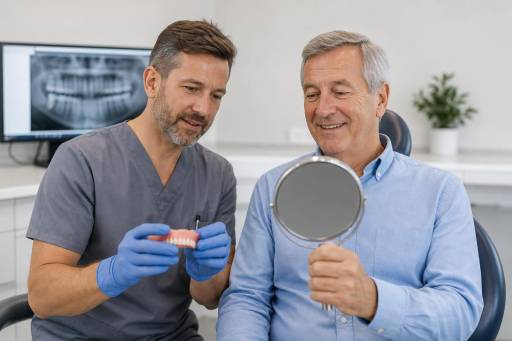
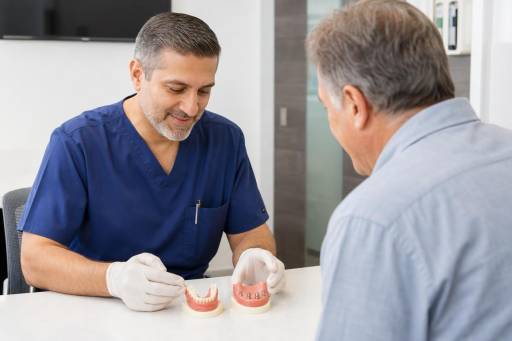
Choosing between immediate and permanent dentures is a decision best made with your dental professional, who can evaluate your unique oral health and treatment goals in detail. During your consultation, your dentist will carefully review your medical history, including any chronic conditions or medications that might affect healing. They will also assess your oral tissues, bone structure, and overall dental health to determine the most appropriate timing and type of denture for your individual needs. Factors such as your healing potential, lifestyle, and personal preferences will be taken into account to recommend a treatment plan that balances both function and aesthetics.
A thorough consultation provides an opportunity for you to ask questions and gain a clear understanding of the entire care process. Your dental professional will explain what to expect during the healing and adjustment phases, including potential discomfort, the need for follow-up visits, and how to care for your new dentures properly. If suitable, your dentist may also discuss alternative options such as implant-supported dentures, which can offer enhanced stability but involve additional procedures and healing time.
Open communication with your dental provider ensures that your denture treatment supports not only your oral health but also your overall quality of life. This collaborative approach helps you regain confidence in your smile and enables you to function effectively in daily activities such as eating and speaking. By working closely with your dental professional, you can make an informed decision that aligns with your expectations and promotes long-term oral wellness.
Restore Your Smile With Dentures or Full-Mouth Prosthetics
Answer a few short questions and HealthNode will help you connect with the right prosthodontic or restorative dental specialist.
Comfort, Function, and Appearance
This helps us understand whether you may need new dentures, denture adjustment, implant-supported dentures, or full-mouth prosthetics.
Dental History and Treatment Planning
A few details help the specialist understand whether you may need extractions, denture relining, implants, or full-mouth reconstruction.
Health and Prosthetic Factors
These details help the specialist understand any factors that may affect healing, denture fit, or implant-supported options.
Contact information
Your information is only used to contact you and is never shared with third parties.
Your request has been received!
Thank you. If you have dental X-rays, panoramic X-ray, CBCT scan, previous denture records, implant records, extraction notes, gum treatment records, or photos of your current dentures, please keep them ready. A HealthNode consultant will guide you through the next step.
Frequently Asked Questions
Q: What are immediate dentures and how are they different from permanent dentures?
A: Immediate dentures are placed immediately after tooth extraction, providing instant aesthetic and functional restoration, while permanent dentures are custom-made and fitted after the mouth has healed, typically offering a more stable long-term solution.
Q: Why does the timing of denture placement matter?
A: Timing affects healing, fit, comfort, and oral health outcomes. Proper scheduling ensures the best results and can reduce complications.
Q: Can I switch from immediate to permanent dentures later?
A: Yes, many patients transition from immediate to permanent dentures as healing progresses, often requiring adjustments or new fittings.
Q: What factors influence whether I should choose immediate or permanent dentures?
A: Factors include your oral health, bone density, healing capacity, personal preferences, and your dentist’s recommendations.
Q: Are there risks associated with immediate dentures?
A: Potential risks include improper fit due to swelling and healing, which may require adjustments or relining.
Q: How do I know which option is best for me?
A: Consult your dental professional for a comprehensive evaluation to determine the most suitable timing and type of denture for your needs.
The information provided is for educational purposes only and does not constitute medical advice. Always consult with a healthcare professional for medical guidance specific to your situation.