Can a Full-Mouth Rehabilitation Plan Change During Treatment?
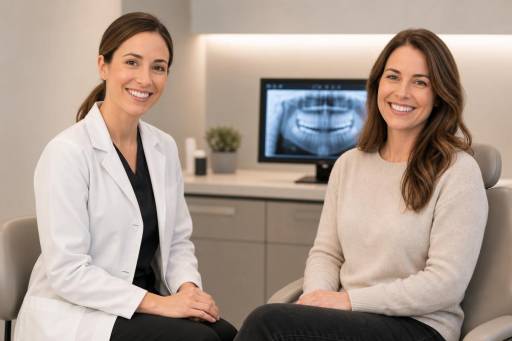
A full-mouth rehabilitation plan can indeed change during the course of treatment. Dental professionals design these plans based on thorough assessments of your oral health, bite function, and aesthetic goals. However, adjustments often become necessary as your oral health evolves, healing progresses, or new findings emerge during treatment. This dynamic and flexible approach helps ensure the best possible outcomes tailored specifically to your unique needs.
Full-mouth rehabilitation is a complex process involving multiple procedures to restore your dental function and aesthetics. It may include crowns, bridges, implants, gum treatments, and bite adjustments. Because of its comprehensive nature, your dental team closely monitors your response to treatment at each stage and may modify the plan accordingly. These changes reflect a patient-centered approach that prioritizes your safety, comfort, and long-term oral health.
Understanding that treatment flexibility is a normal and expected part of full-mouth rehabilitation can help you feel more confident and engaged throughout the process. It is important to recognize that your dental team’s goal is to adapt the plan as needed based on your healing progress, feedback, and any new clinical information. Open communication with your dental team plays a vital role in managing expectations, addressing concerns, and adapting the plan effectively to meet your goals.
Restore Your Smile, Bite, and Chewing Function
Answer a few short questions and HealthNode will help you connect with the right prosthodontic, restorative, or full-mouth rehabilitation specialist.
Function, Comfort, and Appearance
This helps us understand whether your main need is chewing function, bite correction, smile restoration, or replacement of existing dental work.
Previous Dental Work and Treatment Options
A few details help the specialist understand whether crowns, bridges, implants, veneers, dentures, or a combined plan may be needed.
Dental Health and Planning Factors
These details help the specialist understand whether any gum, bone, bite, or healing factors may affect your treatment plan.
Contact information
Your information is only used to contact you and is never shared with third parties.
Your request has been received!
Thank you. If you have dental X-rays, panoramic X-ray, CBCT scan, intraoral scan, photos, previous crown, bridge, implant, denture, veneer, root canal, or treatment plan records, please keep them ready. A HealthNode consultant will guide you through the next step.
By embracing this adaptable approach, you can actively participate in your care, making informed decisions alongside your dental professionals. This collaboration enhances the likelihood of achieving a successful, functional, and aesthetically pleasing outcome that supports your oral health for years to come.
Why Full-Mouth Rehabilitation Plans Are Not Set in Stone
Full-mouth rehabilitation involves restoring or rebuilding most or all of your teeth, often using a combination of crowns, implants, bridges, and other dental procedures. Because this process is highly individualized, your initial treatment plan serves as a roadmap rather than a fixed schedule. Your dental team develops the plan based on your oral health status, functional needs, and aesthetic goals at the start.
However, your mouth’s response to treatment and healing can influence adjustments. For example, if your gums take longer to heal around implants or if bite alignment needs refinement, your dentist may recommend changes to the planned procedures or timelines. These adaptations help optimize the function, comfort, and longevity of your dental restorations.
This flexibility reflects patient-centered care where your specific healing progress and feedback shape the treatment journey. Rather than rigidly following a preset plan, your dental professionals aim to provide personalized solutions that respond to your evolving needs, ensuring the best possible outcome for your oral health and smile.
Unforeseen circumstances such as changes in your overall health, lifestyle, or new dental findings can also necessitate plan modifications. Your dental team continuously evaluates these factors to adjust treatment accordingly, prioritizing your safety and the success of your rehabilitation.
Understanding that full-mouth rehabilitation plans are adaptable rather than set in stone can help you approach treatment with realistic expectations. This mindset fosters collaboration and trust, allowing your dental professionals to tailor care that best supports your long-term oral health and satisfaction.
Common Reasons for Changes in Treatment During Rehabilitation
Several factors can prompt modifications to your full-mouth rehabilitation plan during treatment. One common reason is the discovery of new oral health issues that were not apparent initially. These might include additional tooth decay, gum disease, or bone loss that require immediate attention before completing the final restorations. Addressing these conditions is critical to ensure a stable foundation for your rehabilitated teeth.
Healing complications can also necessitate adjustments. For example, if implant sites show signs of delayed healing, inflammation, or infection, your dentist may need to delay further procedures or alter the treatment approach to protect your overall health. Similarly, if soft tissues or bone do not respond as expected, modifications may be required to optimize healing and integration.
Occlusal (bite) adjustments are another common reason for plan changes. Ensuring that your new teeth fit comfortably and function well is essential for long-term success. Sometimes, bite issues become apparent only after restorations are placed, requiring refinements that can affect the order or type of restorations used.
Patient feedback also plays a significant role in treatment modifications. Your dental team values your input regarding comfort, aesthetics, and functionality. If you experience discomfort, difficulty chewing, or dissatisfaction with appearance, your dentist may tweak the plan to better suit your preferences or lifestyle. These changes are part of a safe, adaptive treatment process designed to improve your experience and results.
Overall, these modifications reflect a responsive and personalized approach, ensuring that your full-mouth rehabilitation is tailored to your evolving needs and promotes optimal oral health and satisfaction.
The Role of Communication with Your Dental Team
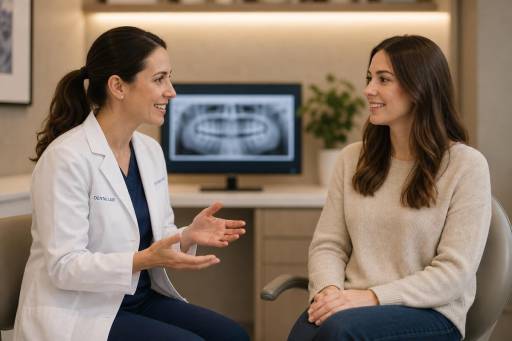
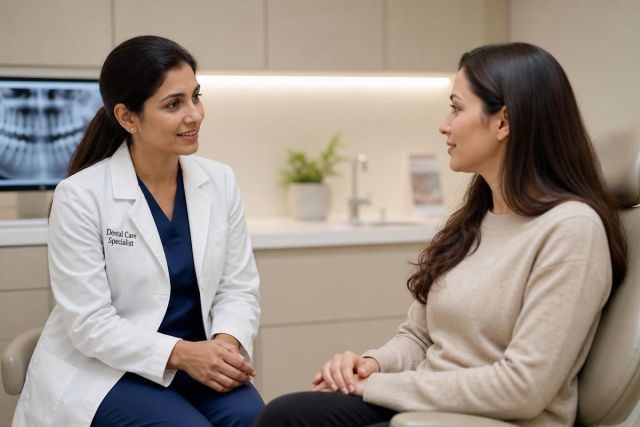
Clear and ongoing communication with your dental professionals is essential throughout the entire full-mouth rehabilitation process. Because these treatment plans are often complex and can evolve based on your healing and response to therapy, staying informed about each step helps you understand why changes might be necessary and what they involve. This transparency reduces anxiety and helps you feel more in control of your care.
Your dental team will keep you updated on your progress, sharing any findings from examinations or imaging that might require revisions to the original plan. They will explain the reasons for additional procedures, changes in the treatment timeline, or modifications in materials or techniques. This open dialogue fosters trust and creates a collaborative partnership between you and your providers, empowering you to participate actively in decisions about your care.
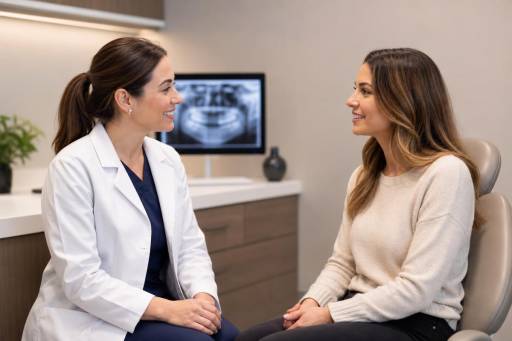
It is also important that you always feel comfortable voicing any concerns, questions, or preferences at any point during treatment. Whether you experience discomfort, notice changes in function, or have aesthetic preferences, sharing this feedback is vital. Your dentist can then make appropriate adjustments to improve your comfort and satisfaction. Patient involvement is a cornerstone of successful rehabilitation, ensuring that your goals and preferences remain central to the treatment process and that the final results align with your expectations.
Effective communication also helps manage realistic expectations about healing times, potential challenges, and the need for maintenance. By fostering a supportive environment where you can openly discuss your experience, your dental team can provide reassurance and guidance, helping you navigate the rehabilitation journey with confidence.
What to Expect When Your Treatment Plan Changes
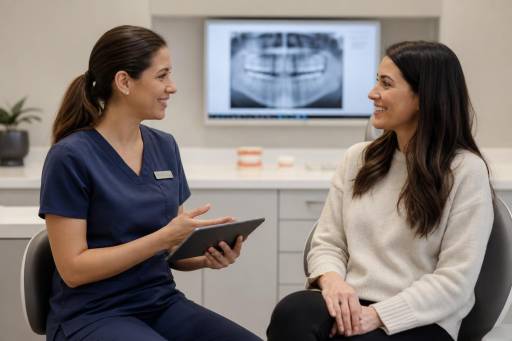
When changes occur in your full-mouth rehabilitation plan, your dental team will take the time to thoroughly explain the reasons behind these adjustments and outline the new steps involved. These modifications might include additional diagnostic tests such as X-rays or scans, extra procedures to address unforeseen issues, or adjustments to the timeline for completing treatment to allow for proper healing.
You may find that more appointments are necessary or that the overall duration of your treatment extends beyond the initial estimate. This can be due to the need for additional healing time, managing complications, or ensuring that each phase of treatment is completed optimally. Your dentist will monitor your progress closely, assessing how your mouth responds and making sure that each step supports your oral health and overall treatment goals.
It is completely normal to feel some uncertainty or frustration when plans shift, but understanding that these changes are made with your safety and the effectiveness of your treatment in mind can help ease concerns. Your dental professionals prioritize your comfort throughout the process and will provide detailed guidance on what to expect during these transitions. This includes instructions on how to care for your mouth, manage any temporary changes in function or appearance, and recognize signs that warrant immediate attention.
Being prepared for potential plan changes and maintaining open communication with your dental team can help you adapt more easily and maintain confidence in the treatment process. Remember, these adjustments are part of a flexible, patient-centered approach designed to achieve the best possible long-term results for your oral health and smile.
Ensuring Long-Term Success After Full-Mouth Rehabilitation
Full-mouth rehabilitation is not just about completing the necessary dental procedures but also about maintaining lasting oral health and function over the long term. Once your treatment concludes, it is essential to commit to regular follow-up visits with your dental team. These visits allow your dentist to carefully monitor the condition of your restorations, such as crowns, bridges, or implants, as well as the health of the surrounding gums and bone tissue. Early detection of any issues can prevent more serious complications down the road.
Maintenance care may include professional cleanings to remove plaque and tartar buildup around your restorations, which helps prevent gum disease and decay in remaining natural teeth. Additionally, your dentist might perform minor adjustments or repairs to address normal wear, changes in bite, or any small problems that arise. These interventions help preserve the function and appearance of your rehabilitated smile.
Your dental team will provide personalized recommendations tailored to your unique oral health needs, including guidance on effective oral hygiene techniques, dietary habits, and lifestyle factors such as smoking cessation that can affect your dental health. Following these recommendations is crucial to protecting your investment and ensuring your mouth remains healthy.
Restore Your Smile, Bite, and Chewing Function
Answer a few short questions and HealthNode will help you connect with the right prosthodontic, restorative, or full-mouth rehabilitation specialist.
Function, Comfort, and Appearance
This helps us understand whether your main need is chewing function, bite correction, smile restoration, or replacement of existing dental work.
Previous Dental Work and Treatment Options
A few details help the specialist understand whether crowns, bridges, implants, veneers, dentures, or a combined plan may be needed.
Dental Health and Planning Factors
These details help the specialist understand whether any gum, bone, bite, or healing factors may affect your treatment plan.
Contact information
Your information is only used to contact you and is never shared with third parties.
Your request has been received!
Thank you. If you have dental X-rays, panoramic X-ray, CBCT scan, intraoral scan, photos, previous crown, bridge, implant, denture, veneer, root canal, or treatment plan records, please keep them ready. A HealthNode consultant will guide you through the next step.
It is important to understand that your oral environment can change over time due to natural aging, changes in bone density, or shifting bite forces. Because of this, future adjustments or additional treatments may become necessary to maintain optimal function and aesthetics. Staying engaged with ongoing care and maintaining open communication with your dental professionals will help detect potential problems early and support the longevity of your rehabilitated smile. This proactive approach ultimately gives you confidence in your dental health and the ability to enjoy your restored function and appearance for many years to come.
Frequently Asked Questions
Q: Can my full-mouth rehabilitation plan change after it starts?
A: Yes, it is common for full-mouth rehabilitation plans to change during treatment based on your healing progress and any new dental findings. Your dentist will adjust the plan to ensure the best outcome for your oral health.
Q: What might cause changes in my dental treatment plan?
A: Changes can result from healing complications, newly discovered dental issues, bite adjustments, or your feedback about comfort and aesthetics. These ensure your treatment is safe and tailored to your needs.
Q: How important is communication with my dental team during rehabilitation?
A: Communication is very important. Keeping an open dialogue helps you understand your treatment progress, allows you to share concerns, and ensures your dentist can make timely adjustments for optimal care.
Q: What should I expect if my treatment plan changes?
A: You may have additional procedures, longer treatment time, or follow-up visits. Your dental team will explain the reasons for changes and guide you on how to manage your care during adjustments.
Q: How can I maintain my results after full-mouth rehabilitation?
A: Regular dental check-ups, good oral hygiene, and following your dentist’s recommendations are key to maintaining your results. Ongoing care helps detect issues early and prolongs the lifespan of your dental restorations.
The information provided is for educational purposes only and does not constitute medical advice. Always consult with a healthcare professional for medical guidance specific to your situation.