Does the Type of Full-Mouth Rehabilitation Affect the Cost?
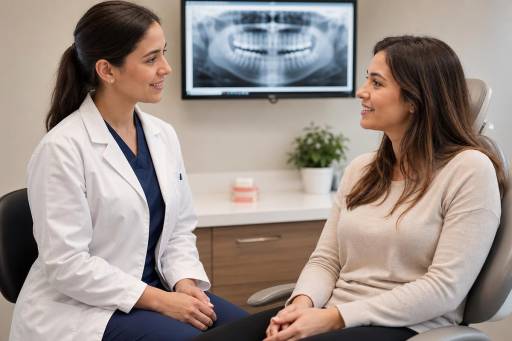
The type of full-mouth rehabilitation you choose significantly affects the overall cost of your dental treatment. Procedures such as dental implants, crowns, bridges, and veneers each have distinct pricing structures influenced by factors like the materials used, the technology involved, and the complexity of the individual case. Understanding these differences is essential to make informed decisions that balance your oral health needs with your budget constraints.
If you are considering full-mouth rehabilitation abroad, cost efficiency often plays a major role alongside quality and safety. Different treatment methods offer varying benefits and price points, so knowing what to expect financially helps you plan better and avoid unexpected expenses. This knowledge empowers you to select the best approach for your dental restoration goals while managing expenses wisely.
With the growing trend of dental tourism in countries offering advanced care at competitive prices, patients from regions such as the United States, Canada, the UK, and Australia are increasingly exploring options overseas. Being aware of how treatment types influence cost helps you navigate this complex decision confidently and ensures you receive optimal value from your investment in dental health. Additionally, considering factors like clinic reputation, patient support services, and travel logistics contributes to a safer and more satisfying treatment experience.
Restore Your Smile, Bite, and Chewing Function
Answer a few short questions and HealthNode will help you connect with the right prosthodontic, restorative, or full-mouth rehabilitation specialist.
Function, Comfort, and Appearance
This helps us understand whether your main need is chewing function, bite correction, smile restoration, or replacement of existing dental work.
Previous Dental Work and Treatment Options
A few details help the specialist understand whether crowns, bridges, implants, veneers, dentures, or a combined plan may be needed.
Dental Health and Planning Factors
These details help the specialist understand whether any gum, bone, bite, or healing factors may affect your treatment plan.
Contact information
Your information is only used to contact you and is never shared with third parties.
Your request has been received!
Thank you. If you have dental X-rays, panoramic X-ray, CBCT scan, intraoral scan, photos, previous crown, bridge, implant, denture, veneer, root canal, or treatment plan records, please keep them ready. A HealthNode consultant will guide you through the next step.
Comparing Common Full-Mouth Rehabilitation Options and Their Costs
Full-mouth rehabilitation encompasses several popular procedures such as dental implants, crowns, bridges, and veneers, each differing in cost primarily due to the materials used and the complexity of the procedure.
Dental implants tend to be the most expensive option because they replace tooth roots with titanium posts surgically implanted into the jawbone. These provide durable, natural-feeling restorations but require multiple visits, surgical expertise, and specialized care, which contribute to the higher cost. Implants also often involve additional procedures like bone grafting if the jawbone lacks sufficient density.
Crowns and bridges are often more affordable alternatives. Crowns cover damaged individual teeth to restore function and appearance, while bridges replace one or more missing teeth by anchoring to adjacent healthy teeth. These procedures typically involve less invasive techniques and fewer clinical visits than implants, making them cost-effective solutions for many patients.
Veneers are thin shells bonded to the front surface of teeth to improve aesthetics and are generally less expensive than implants or bridges. However, veneers primarily address cosmetic concerns and do not replace missing teeth or correct structural damage, limiting their applicability in full-mouth rehabilitation.
Pricing can also vary widely by geographic location and clinic expertise. For example, implant costs in some countries are significantly lower than in the US or UK, making them more accessible for patients considering treatment abroad. However, it is important to weigh cost savings against factors like clinic reputation, practitioner qualifications, and aftercare services.
Ultimately, the choice among these options depends on your dental needs, aesthetic goals, and budget constraints. Consulting with a qualified dental professional can help determine the most appropriate and cost-effective treatment plan tailored to your unique situation.
Factors That Impact the Cost of Full-Mouth Rehabilitation
Multiple factors influence the final cost of full-mouth rehabilitation beyond the procedure type itself. Material quality is a major consideration; premium ceramics or zirconia used for crowns and implants tend to cost more but offer superior durability, aesthetics, and biocompatibility, which can affect long-term satisfaction and maintenance needs.
The number of teeth involved significantly affects pricing. Treating a full arch versus a few teeth naturally requires more resources, clinical time, and materials. The complexity of the case also plays a role, especially if additional procedures like bone grafts, sinus lifts, or extractions are necessary before restoration can proceed. These preparatory steps add to the overall cost and treatment duration.
Clinic location can cause significant cost differences. Dental centers in countries with lower operational expenses often provide competitive pricing without compromising quality, attracting patients seeking value. Conversely, clinics with advanced technology, highly experienced specialists, and premium facilities may charge a premium but can offer better outcomes, efficiency, and patient comfort.
Every patient’s treatment plan is unique, so transparent consultations are essential to clarify which specific factors apply to your case and budget. Understanding these variables helps you anticipate costs realistically and make choices that best align with your oral health goals and financial considerations.
How to Budget for Your Full-Mouth Rehabilitation Treatment Abroad
Budgeting for full-mouth rehabilitation abroad involves considering a comprehensive range of expenses beyond the dental procedure itself. Travel costs, including flights and local transportation, can add a substantial amount depending on the destination's distance and accessibility. It is important to research and compare travel options to find the best balance between cost and convenience.
Accommodation expenses during treatment and possible recovery periods should also be anticipated. Some patients may require multiple visits or extended stays, so planning for lodging near the clinic is wise to minimize daily commuting stress and expenses. Additionally, budget for any preliminary assessments, diagnostic tests, or follow-up treatments, which may not be included in initial quotes but are essential for successful rehabilitation.
Medical tourism insurance or travel insurance that covers dental treatment complications can be an important financial safeguard, protecting you from unexpected costs related to adverse reactions or additional care. Investigating package deals or clinics offering bundled pricing for treatment and accommodation can help reduce overall expenses and simplify budgeting.
Preparing a detailed budget with a buffer for unexpected costs ensures you avoid surprises and can focus on your recovery with peace of mind. It is also helpful to consider currency exchange rates and potential payment methods accepted by the clinic. Consulting with previous patients or dental tourism experts can provide practical insights to refine your financial planning.
Choosing the Right Clinic for Your Full-Mouth Rehabilitation
Selecting the right clinic is as important as choosing the treatment type when considering both cost and quality of full-mouth rehabilitation. Look for clinics with strong reputations supported by authentic patient reviews and recognized professional accreditations, which reflect adherence to high standards of care and safety.
Experience matters significantly; clinics staffed with board-certified specialists who have a proven history of successful full-mouth rehabilitation cases are more likely to deliver reliable and satisfactory outcomes. Advanced technology, such as 3D imaging, digital smile design, and CAD/CAM fabrication, can improve treatment precision, reduce errors, and shorten overall treatment time, contributing to better patient experiences.
Transparency in pricing is essential to avoid unexpected expenses. A trustworthy clinic will provide a detailed treatment plan outlining each step, associated costs, and potential additional fees such as anesthesia, lab work, or post-operative care. This openness helps you compare options objectively and make an informed decision aligned with your budget.
Language support and patient coordination services are particularly valuable for international patients, facilitating clear communication and smoother logistics. Clinics offering comprehensive care, including assistance with travel arrangements, accommodation, and follow-up support, can save time and reduce stress during your dental journey. Ultimately, choosing a clinic that prioritizes patient comfort, safety, and clear communication enhances the likelihood of a positive treatment experience.
Patient Success Stories and Cost-Saving Tips
Many patients who undergo full-mouth rehabilitation abroad share success stories that highlight not only their improved oral health but also the significant financial savings they have achieved. These personal accounts often emphasize the importance of thorough research and careful planning, including selecting the right treatment type and clinic, as key factors in managing costs effectively while ensuring quality care. Patients commonly report satisfaction with the balance they struck between affordability and treatment outcomes, which can serve as valuable guidance for prospective candidates.
Cost-saving strategies for full-mouth rehabilitation abroad include opting for high-quality yet affordable materials that meet durability and aesthetic standards without unnecessary expense. Some patients consider alternative procedures, such as dental bridges instead of implants, when clinically appropriate, to reduce costs. Timing treatments during off-peak travel seasons can also lower expenses related to flights and accommodation.
Many patients find that combining dental care with a vacation destination helps offset travel costs, as package deals may include discounted lodging or transportation. Working closely with clinic coordinators to customize treatment plans tailored to both health goals and budget constraints is another common recommendation. This collaboration can help avoid unnecessary procedures and optimize the treatment sequence.
Restore Your Smile, Bite, and Chewing Function
Answer a few short questions and HealthNode will help you connect with the right prosthodontic, restorative, or full-mouth rehabilitation specialist.
Function, Comfort, and Appearance
This helps us understand whether your main need is chewing function, bite correction, smile restoration, or replacement of existing dental work.
Previous Dental Work and Treatment Options
A few details help the specialist understand whether crowns, bridges, implants, veneers, dentures, or a combined plan may be needed.
Dental Health and Planning Factors
These details help the specialist understand whether any gum, bone, bite, or healing factors may affect your treatment plan.
Contact information
Your information is only used to contact you and is never shared with third parties.
Your request has been received!
Thank you. If you have dental X-rays, panoramic X-ray, CBCT scan, intraoral scan, photos, previous crown, bridge, implant, denture, veneer, root canal, or treatment plan records, please keep them ready. A HealthNode consultant will guide you through the next step.
Learning from others’ experiences enables you to set realistic expectations regarding treatment duration, recovery, and financial outlay. It also encourages prudent planning to ensure satisfying results without overspending. However, it is important to remember that individual outcomes vary, and what worked well for one patient may not apply to another, so professional consultation remains essential.
Frequently Asked Questions
Q: How does the type of full-mouth rehabilitation affect cost?
A: The type of procedure significantly influences cost. For example, dental implants are generally more expensive due to surgery and materials, while crowns or veneers cost less but may not address all dental issues. Choosing the right option depends on your specific dental health needs and budget.
Q: What factors should I consider when budgeting for treatment abroad?
A: Besides the procedure cost, include travel, accommodation, and any additional treatments in your budget. Also, consider insurance options and potential follow-up visits. Planning these expenses in advance helps avoid unexpected financial strain.
Q: Are cheaper dental clinics abroad safe for full-mouth rehabilitation?
A: Not always. Lower prices can reflect differences in materials, technology, or expertise. It’s important to choose accredited clinics with experienced specialists to ensure quality care, even if it means a higher upfront cost.
Q: Can I mix different types of restorations in one rehabilitation plan?
A: Yes, treatment plans often combine implants, crowns, bridges, and veneers based on your dental condition. A personalized plan optimizes function and aesthetics while considering cost-effectiveness.
Q: How long does full-mouth rehabilitation typically take?
A: The timeframe varies by procedure complexity. Implant-based treatments may take several months due to healing periods, while crowns or veneers can be completed in weeks. Your dentist will provide a detailed timeline during consultation.
The information provided is for educational purposes only and does not constitute medical advice. Always consult with a healthcare professional for medical guidance specific to your situation.