How Is the Right Full-Mouth Rehabilitation Plan Selected?
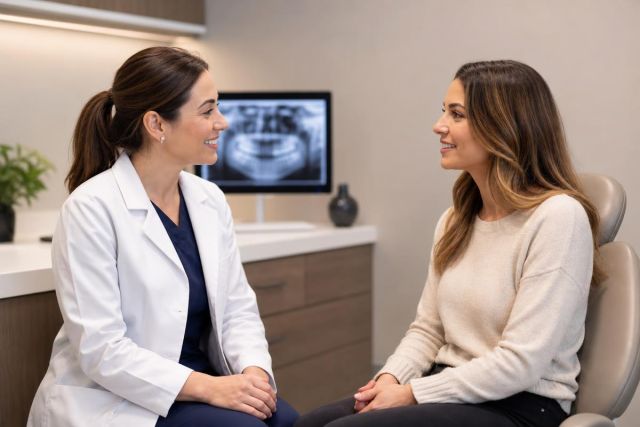
Selecting the right full-mouth rehabilitation plan begins with a comprehensive evaluation of your oral health and individual needs. Dental professionals utilize detailed diagnostic procedures, including clinical examinations, radiographs, and sometimes advanced imaging, to assess your current dental condition thoroughly. This evaluation helps identify issues such as tooth decay, gum disease, bone loss, and bite problems that may need to be addressed.
Following the assessment, various treatment options are considered to restore both function and aesthetics effectively. Each rehabilitation plan is tailored specifically for you, reflecting factors like your dental health status, personal preferences, and lifestyle. This personalized approach ensures that the treatment addresses not only functional requirements, such as chewing ability and jaw alignment, but also cosmetic goals, like the appearance of your smile, resulting in a successful and well-rounded outcome.
Understanding how these plans are developed can help you feel more confident and engaged throughout the process. Being informed about what to expect during the assessment and decision-making stages prepares you to collaborate effectively with your dental team. This partnership is crucial for devising the best possible rehabilitation strategy that meets your unique needs and aspirations.
Restore Your Smile, Bite, and Chewing Function
Answer a few short questions and HealthNode will help you connect with the right prosthodontic, restorative, or full-mouth rehabilitation specialist.
Function, Comfort, and Appearance
This helps us understand whether your main need is chewing function, bite correction, smile restoration, or replacement of existing dental work.
Previous Dental Work and Treatment Options
A few details help the specialist understand whether crowns, bridges, implants, veneers, dentures, or a combined plan may be needed.
Dental Health and Planning Factors
These details help the specialist understand whether any gum, bone, bite, or healing factors may affect your treatment plan.
Contact information
Your information is only used to contact you and is never shared with third parties.
Your request has been received!
Thank you. If you have dental X-rays, panoramic X-ray, CBCT scan, intraoral scan, photos, previous crown, bridge, implant, denture, veneer, root canal, or treatment plan records, please keep them ready. A HealthNode consultant will guide you through the next step.
Assessing Patient Needs and Dental Health Status
Dental professionals begin the full-mouth rehabilitation process by conducting a thorough dental assessment to gain a comprehensive understanding of your oral health. This evaluation includes clinical examinations to inspect the condition of your teeth, gums, and soft tissues, as well as radiographs (X-rays) to reveal underlying structures such as bone density and tooth roots. In some cases, advanced imaging like 3D cone-beam computed tomography (CBCT) is used to provide detailed views of the jawbone and surrounding anatomy.
During this oral health evaluation, specialists look for signs of tooth decay, gum disease, bone loss, or other underlying issues that could affect the success of rehabilitation procedures. They also assess your bite alignment and jaw function, noting any discomfort, mobility problems, or temporomandibular joint (TMJ) disorders that may require attention.
Equally important is understanding your individual needs and concerns. Your dental history, including past treatments and any chronic conditions, is reviewed. A discussion about your aesthetic goals, such as the desired appearance of your smile, and your functional expectations, like chewing efficiency and speech, ensures that the rehabilitation plan aligns with what matters most to you.
This patient-centered approach forms the foundation for a customized treatment strategy that addresses both clinical findings and your personal priorities, ultimately aiming for a successful and satisfying rehabilitation outcome.
Exploring Treatment Options for Full-Mouth Rehabilitation
Once your oral health status is thoroughly evaluated, dental professionals explore various treatment options suited to your specific condition and goals. Common modalities for full-mouth rehabilitation include crowns, implants, veneers, and bridges, each serving different purposes in restoring tooth function and appearance.
Crowns are often used to strengthen damaged or weakened teeth, improve their shape, and protect them from further deterioration. They cover the entire visible portion of a tooth and can be made from materials like porcelain or metal.
Dental implants replace missing teeth by anchoring artificial roots directly into the jawbone, providing a stable foundation for crowns or bridges. Implants help preserve bone structure and offer a natural look and feel.
Veneers are thin shells that cover the front surface of teeth, primarily used for cosmetic enhancement to improve color, shape, or minor alignment issues. They can create a uniform and aesthetically pleasing smile.
Bridges fill gaps where teeth are missing by anchoring to adjacent natural teeth or implants, restoring chewing function and preventing shifting of remaining teeth.
The choice of which treatments to use depends on factors such as the extent of tooth damage, bone health, gum condition, and your aesthetic goals. Your dentist will explain the benefits and limitations of each option, helping you understand how they contribute to a comprehensive full-mouth rehabilitation plan tailored to your needs. Together, you can make informed decisions that balance functionality, appearance, and long-term oral health.
Factors Influencing the Choice of a Rehabilitation Plan
Several critical factors influence the selection of an appropriate full-mouth rehabilitation plan, making it a highly individualized process. Clinical considerations are paramount; the health of your gums, the quality and quantity of your jawbone, and the condition of remaining teeth all guide the feasibility and type of procedures recommended. For example, sufficient bone density is required to support dental implants, while compromised gums may necessitate preliminary periodontal treatment.
Your personal preferences also play a significant role in shaping the plan. These include your desired aesthetic outcomes, such as the color and shape of teeth, the timeline you are comfortable with for completing treatment, and your tolerance for certain procedures, whether surgical or non-invasive. Open and honest communication with your dentist helps ensure that your values and expectations are incorporated into the treatment plan, fostering a collaborative decision-making process.
While budget considerations may impact some choices, many dental teams strive to offer cost-effective solutions without compromising quality or safety. They can discuss financing options or phased treatment approaches to accommodate financial constraints. Ultimately, the chosen rehabilitation plan balances clinical needs, patient preferences, and practical factors such as time availability and lifestyle, aiming to achieve optimal functional and cosmetic results that meet your long-term oral health goals.
Steps in Developing a Customized Rehabilitation Strategy
Developing a full-mouth rehabilitation plan is a collaborative, stepwise process that involves close interaction between you and your dental team. It begins with you sharing your goals, concerns, and expectations for your dental health and appearance. This patient input is essential for guiding the clinical approach.
Next, your dentist conducts a detailed clinical examination and diagnostic testing, which may include X-rays, 3D imaging, and impressions to understand the current state of your teeth, gums, and jawbone. These findings inform the design of a customized rehabilitation strategy that may involve multiple procedures staged over time to optimize healing and outcomes.
Once the initial plan is drafted, it is presented to you for review. This is an opportunity to ask questions, express preferences, and discuss any concerns about the proposed treatments, timeline, or costs. Your feedback is used to make adjustments that ensure the plan fits your lifestyle, comfort level, and personal aspirations.
This partnership between patient and dentist is vital for developing a treatment approach that aligns with both medical requirements and your individual needs. Such collaboration increases the likelihood of a successful and satisfying outcome, as you are actively engaged in decisions affecting your oral health and appearance.
Post-Treatment Care and Long-Term Maintenance
After completing your full-mouth rehabilitation, ongoing care is essential to maintain the results and preserve your overall oral health. This includes diligent oral hygiene practices such as brushing at least twice daily, flossing regularly to remove plaque between teeth, and possibly using special cleaning tools like interdental brushes or water flossers as recommended by your dentist. These habits help prevent decay and gum disease that could compromise your restorations.
Regular follow-up visits with your dental team are equally important. These appointments allow your dentist and hygienist to monitor the condition of crowns, implants, bridges, and other prosthetics, detect any early signs of wear or complications, and perform professional cleanings that reach areas difficult to clean at home. Early intervention can prevent minor issues from becoming major problems, thereby prolonging the lifespan of your dental work.
Your dentist may also provide personalized instructions tailored to your specific rehabilitation, such as avoiding certain foods that might damage restorations or guidance on managing sensitivity or discomfort. Understanding and committing to this long-term maintenance plan ensures that your rehabilitation remains both functional and aesthetically pleasing for many years. Additionally, maintaining good overall health, including managing systemic conditions like diabetes, can positively influence your oral health outcomes after rehabilitation.
Restore Your Smile, Bite, and Chewing Function
Answer a few short questions and HealthNode will help you connect with the right prosthodontic, restorative, or full-mouth rehabilitation specialist.
Function, Comfort, and Appearance
This helps us understand whether your main need is chewing function, bite correction, smile restoration, or replacement of existing dental work.
Previous Dental Work and Treatment Options
A few details help the specialist understand whether crowns, bridges, implants, veneers, dentures, or a combined plan may be needed.
Dental Health and Planning Factors
These details help the specialist understand whether any gum, bone, bite, or healing factors may affect your treatment plan.
Contact information
Your information is only used to contact you and is never shared with third parties.
Your request has been received!
Thank you. If you have dental X-rays, panoramic X-ray, CBCT scan, intraoral scan, photos, previous crown, bridge, implant, denture, veneer, root canal, or treatment plan records, please keep them ready. A HealthNode consultant will guide you through the next step.
Frequently Asked Questions
Q: What factors determine the best full-mouth rehabilitation plan?
A: The best plan depends on your oral health status, personal preferences, clinical needs, and sometimes budget. Your dentist evaluates these elements through examinations and discussions to tailor the treatment specifically for you.
Q: How long does the full-mouth rehabilitation process usually take?
A: The timeline varies depending on the complexity of your case and the chosen treatments. It can range from a few months to over a year, especially if procedures like implants and bone grafts are involved.
Q: Can I participate in selecting my treatment options?
A: Yes, your input is crucial. Dentists encourage you to share your goals and concerns so the plan reflects what matters most to you, ensuring both functional outcomes and satisfaction with aesthetics.
Q: What should I expect during the initial dental assessment?
A: Expect a comprehensive oral examination including X-rays or 3D scans, discussions about your dental history, and your goals for rehabilitation. This helps the dentist create a detailed treatment plan tailored to your needs.
Q: How important is post-treatment care after full-mouth rehabilitation?
A: Post-treatment care is vital to maintain your dental restorations and overall oral health. Regular hygiene and dental check-ups help prevent complications and extend the life of your rehabilitated teeth.
The information provided is for educational purposes only and does not constitute medical advice. Always consult with a healthcare professional for medical guidance specific to your situation.