What Are the Main Goals of Full-Mouth Rehabilitation?
The main goals of full-mouth rehabilitation are to restore optimal oral health, improve dental function, and enhance the appearance of your smile. This comprehensive dental treatment addresses multiple issues affecting teeth, gums, bite, and jaw alignment to rebuild a healthy, balanced, and aesthetically pleasing mouth.
Full-mouth rehabilitation is often necessary when patients have extensive tooth damage, severe decay, missing teeth, or bite problems that affect chewing, speaking, and overall oral comfort. The process uses a combination of restorative and cosmetic dental procedures tailored to your unique needs to achieve lasting improvements in both function and appearance.
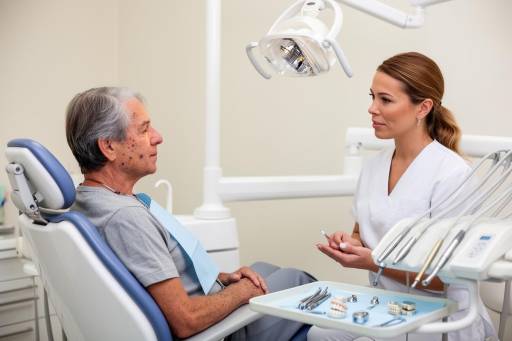
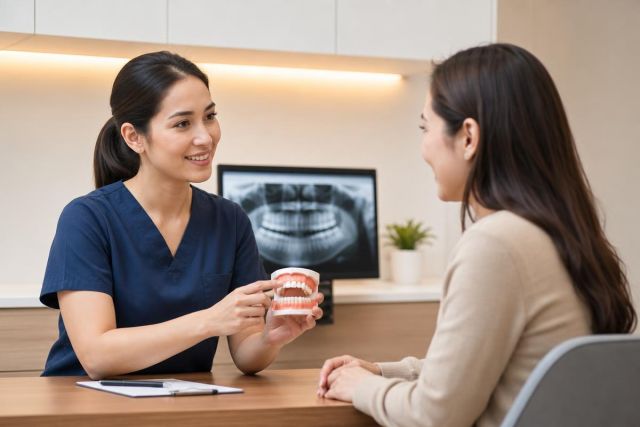
Understanding these objectives is crucial for patients considering this treatment, as it involves a significant commitment of time and resources. The treatment plan is highly individualized, often requiring a multidisciplinary dental team that may include prosthodontists, periodontists, oral surgeons, and dental technicians. Advanced diagnostic tools such as digital imaging and 3D modeling are frequently used to precisely evaluate oral conditions and plan each phase of rehabilitation.
Restore Your Smile, Bite, and Chewing Function
Answer a few short questions and HealthNode will help you connect with the right prosthodontic, restorative, or full-mouth rehabilitation specialist.
Function, Comfort, and Appearance
This helps us understand whether your main need is chewing function, bite correction, smile restoration, or replacement of existing dental work.
Previous Dental Work and Treatment Options
A few details help the specialist understand whether crowns, bridges, implants, veneers, dentures, or a combined plan may be needed.
Dental Health and Planning Factors
These details help the specialist understand whether any gum, bone, bite, or healing factors may affect your treatment plan.
Contact information
Your information is only used to contact you and is never shared with third parties.
Your request has been received!
Thank you. If you have dental X-rays, panoramic X-ray, CBCT scan, intraoral scan, photos, previous crown, bridge, implant, denture, veneer, root canal, or treatment plan records, please keep them ready. A HealthNode consultant will guide you through the next step.
Choosing the Right Dental Team and Facility for Your Rehabilitative Care
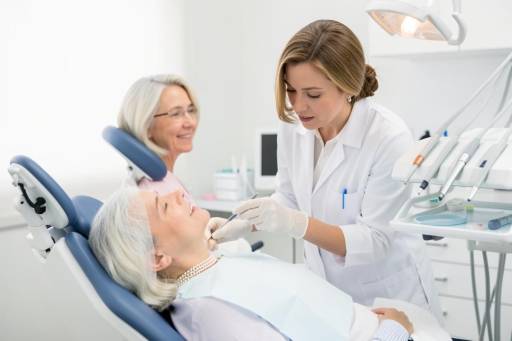
Selecting an experienced dental team and accredited facility is crucial for successful full-mouth rehabilitation. Because this treatment involves multiple complex procedures such as implants, crowns, bridges, and bite correction, you want dentists who specialize in restorative and prosthetic dentistry with proven clinical outcomes. It is important to research the credentials and experience of the dental professionals involved, including their training in advanced techniques and familiarity with the latest materials and technologies.
Look for clinics recognized by reputable accreditation bodies that adhere to strict safety and hygiene standards, as these certifications provide assurance of quality care and patient safety. A multidisciplinary team including prosthodontists, periodontists, oral surgeons, and dental technicians working together offers comprehensive care tailored to your needs. This collaborative approach ensures that all aspects of your treatment, from surgical procedures to prosthetic design, are coordinated for optimal results.
Patient safety and comfort should be a priority throughout the process. The right team will conduct thorough assessments, use advanced diagnostics such as 3D imaging and bite analysis, and communicate clearly about treatment plans, timelines, and potential risks. They will also discuss your expectations and any concerns to help you make informed decisions.
Choosing a clinic with a strong track record in full-mouth rehabilitation can reduce risks such as infection, restoration failure, or complications related to anesthesia. Additionally, experienced teams are better equipped to manage unexpected challenges and provide appropriate follow-up care.
Ultimately, selecting the right dental team and facility contributes significantly to your overall experience, treatment success, and long-term satisfaction with your rehabilitated smile.
Restoring Oral Health Through Full-Mouth Rehabilitation
One of the primary goals of full-mouth rehabilitation is to restore your oral health by treating underlying dental diseases and damage. This often involves eliminating tooth decay, repairing fractured or worn teeth, and addressing gum disease to create a healthy foundation for further restorative work.
Treatment may include root canal therapy to remove infection from damaged teeth, periodontal therapy to manage gum disease and restore gum health, extractions of teeth that cannot be saved, and placement of dental implants to replace missing teeth and preserve jawbone integrity. Restoring healthy gums and bone support is essential to maintain long-term stability of your dental restorations and prevent future complications.
The process often requires careful coordination between different dental specialists to ensure all infections and structural issues are resolved before proceeding with prosthetic treatments. By resolving infections and structural damage, full-mouth rehabilitation can reduce pain, sensitivity, and risk of further complications such as abscesses or tooth loss.
This foundational step enables you to regain proper oral function and protects your overall health, as untreated dental infections can impact systemic health by contributing to conditions like cardiovascular disease or diabetes. Patients should expect a thorough diagnostic phase involving clinical exams, X-rays, and possibly 3D imaging to assess the extent of disease and plan appropriate interventions.
The treatment timeline may vary depending on the severity of oral health issues and the need for healing before moving on to restorative phases. Maintaining good oral hygiene and attending regular follow-ups during this period are critical to ensure successful outcomes. Overall, restoring oral health is the essential first step that supports the durability and effectiveness of full-mouth rehabilitation, setting the stage for improved function and aesthetics.
Improving Dental Function and Bite Alignment
Recovering your ability to chew, speak, and bite comfortably is a central aim of full-mouth rehabilitation. When teeth are missing, worn, or misaligned, it can disrupt your bite and jaw mechanics, leading to discomfort, uneven wear, and jaw joint problems such as temporomandibular joint (TMJ) disorders. These functional impairments can affect daily activities like eating and speaking, and may contribute to muscle fatigue, headaches, or chronic jaw pain.
Full-mouth rehabilitation addresses these functional issues with restorations such as crowns, bridges, implants, and occlusal adjustments to reestablish a balanced bite. This helps distribute biting forces evenly across all teeth and improves jaw alignment, reducing abnormal stresses that cause wear or discomfort. The treatment plan often involves careful bite analysis and may include adjustments to the occlusion to optimize how teeth come together.
Improved dental function supports better nutrition by enabling you to eat a wider variety of foods comfortably, which is important for overall health and well-being. It also reduces strain on your jaw muscles and joints, which can alleviate headaches and jaw pain associated with bite problems.
Patients undergoing full-mouth rehabilitation can expect a staged approach where function is gradually restored and monitored to ensure comfort and effectiveness. The process may involve temporary restorations or splints to test new bite positions before finalizing treatment. It is important to communicate any discomfort or functional issues during recovery to your dental team so adjustments can be made.
Ultimately, restoring proper dental function enhances not only oral health but also quality of life by allowing you to enjoy normal eating, speaking, and social interactions without pain or limitation.
Enhancing Smile Aesthetics and Patient Confidence
Beyond health and function, enhancing the appearance of your smile is a key goal of full-mouth rehabilitation. Damaged, discolored, or missing teeth can significantly affect your self-esteem and social confidence, impacting personal relationships and professional interactions. Many patients seek treatment not only to improve oral health but also to regain a natural, attractive smile that reflects their personality and boosts their psychological well-being.
This treatment can include cosmetic procedures such as dental veneers, whitening, and well-designed crowns or bridges that blend naturally with your teeth. Customizing the shape, size, and color of restorations helps create a harmonious, attractive smile that complements your facial features. The aesthetic aspect of full-mouth rehabilitation often involves detailed planning and collaboration between dental specialists and dental technicians to achieve results that look both beautiful and natural.
Patients should have realistic expectations and discuss their goals with their dental team to ensure the final outcome aligns with their desires. A restored smile often leads to improved psychological well-being and quality of life. Patients report greater satisfaction and confidence in personal and professional interactions after completing full-mouth rehabilitation. This boost in confidence can encourage more social engagement and positively influence mental health.
However, it is important to recognize that aesthetic improvements are part of a comprehensive treatment plan that balances appearance with function and oral health. The process may require multiple visits and adjustments to achieve the desired look while maintaining durability and comfort. Overall, enhancing smile aesthetics through full-mouth rehabilitation can transform not only your appearance but also your self-image and overall happiness.
Restore Your Smile, Bite, and Chewing Function
Answer a few short questions and HealthNode will help you connect with the right prosthodontic, restorative, or full-mouth rehabilitation specialist.
Function, Comfort, and Appearance
This helps us understand whether your main need is chewing function, bite correction, smile restoration, or replacement of existing dental work.
Previous Dental Work and Treatment Options
A few details help the specialist understand whether crowns, bridges, implants, veneers, dentures, or a combined plan may be needed.
Dental Health and Planning Factors
These details help the specialist understand whether any gum, bone, bite, or healing factors may affect your treatment plan.
Contact information
Your information is only used to contact you and is never shared with third parties.
Your request has been received!
Thank you. If you have dental X-rays, panoramic X-ray, CBCT scan, intraoral scan, photos, previous crown, bridge, implant, denture, veneer, root canal, or treatment plan records, please keep them ready. A HealthNode consultant will guide you through the next step.
Frequently Asked Questions
Q: What conditions typically require full-mouth rehabilitation?
A: Conditions such as extensive decay, multiple missing teeth, severe wear, and complex bite issues often necessitate full-mouth rehabilitation.
Q: How long does full-mouth rehabilitation usually take?
A: The duration varies depending on individual needs but generally ranges from a few weeks to several months, involving multiple treatment phases.
Q: Is full-mouth rehabilitation suitable for older adults?
A: Yes, older adults can benefit from full-mouth rehabilitation, especially when restoring function and quality of life are priorities.
Q: What are the risks associated with full-mouth rehabilitation?
A: Potential risks include infection, nerve damage, or restoration failure, but these are minimized with experienced professionals and proper planning.
Q: Can full-mouth rehabilitation be done in a dental tourism setting?
A: Yes, many patients opt for treatment abroad where high-quality dental services are available at a more affordable cost, provided the clinic is reputable.
The information provided is for educational purposes only and does not constitute medical advice. Always consult with a healthcare professional for medical guidance specific to your situation.