Quick Answer
Oral and maxillofacial surgery is planned through detailed diagnostic imaging, comprehensive patient evaluation, and collaboration among a multidisciplinary surgical team to tailor the procedure to the patient's unique anatomy and medical needs. This planning includes preoperative preparation, clear communication, and postoperative follow-up to ensure safe and effective care.
- Diagnostic imaging such as X-rays, CT scans, and MRIs provides detailed views of anatomical structures essential for surgical planning.
- A thorough medical evaluation reviews the patient's health, medications, and allergies to assess risks and anesthesia options.
- The surgical team typically includes oral surgeons, anesthesiologists, dental specialists, and nursing staff working collaboratively.
- Preoperative instructions cover fasting, medication adjustments, hygiene, and anesthesia to prepare the patient physically and mentally.
- Postoperative care involves pain management, infection prevention, diet modifications, activity restrictions, and scheduled follow-up visits.
- Virtual surgical planning allows surgeons to simulate procedures digitally to enhance precision and safety.
- Patient education about the procedure, risks, and recovery supports informed decision-making and better outcomes.
How Is Oral and Maxillofacial Surgery Planned?
Oral and maxillofacial surgery is a specialized field that involves complex surgical procedures on the face, jaw, and mouth. The success of these procedures depends heavily on careful and comprehensive planning, which integrates detailed diagnostic imaging, thorough patient evaluation, and collaboration among a multidisciplinary team of healthcare professionals. This meticulous planning process ensures that surgical interventions are precisely tailored to each patient’s unique anatomy and medical needs, optimizing both safety and clinical outcomes.
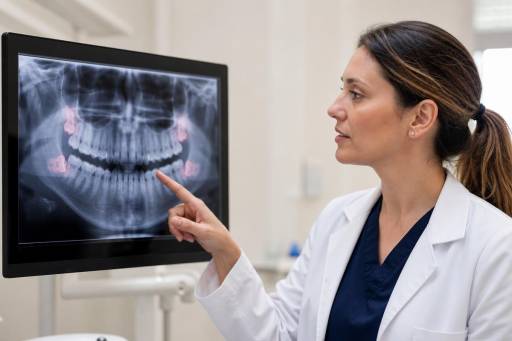
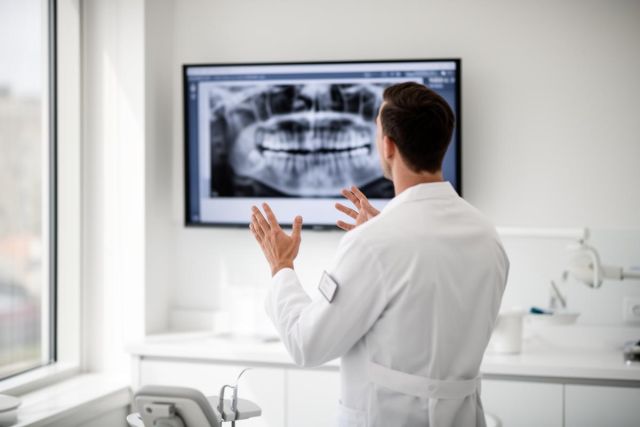
The planning phase begins with gathering extensive diagnostic information. Imaging studies such as X-rays, computed tomography (CT) scans, or magnetic resonance imaging (MRI) provide detailed views of the bones, teeth, and soft tissues involved. These images allow the surgical team to assess anatomical structures, identify potential challenges, and develop a precise surgical approach.
Alongside imaging, a comprehensive evaluation of your overall health is conducted. This includes reviewing your medical history, current medications, allergies, and any conditions that might affect anesthesia or healing. Discussing potential risks and benefits of the surgery helps you understand what to expect and supports informed decision-making.
Get Support From an Oral and Maxillofacial Surgeon
Answer a few short questions and HealthNode will help you connect with the right oral and maxillofacial surgery specialist.
Symptoms and Urgency
This helps us understand whether you may need routine surgical planning or a higher-priority review.
Previous Tests or Surgical Planning
A few details help the surgeon understand what has already been checked and what type of surgical care may be needed.
Health and Surgery Factors
These details help the specialist understand any factors that may affect surgery, anesthesia, or healing.
Contact information
Your information is only used to contact you and is never shared with third parties.
Your request has been received!
Thank you. If you have dental X-rays, panoramic X-ray, CBCT or 3D scan, CT or MRI, referral notes, pathology reports, implant records, previous surgery records, or photos of swelling or injury, please keep them ready. A HealthNode consultant will guide you through the next step.
Your surgical team, which may include oral surgeons, anesthesiologists, dental specialists, and nursing staff, works collaboratively to develop a customized treatment plan. Clear preoperative instructions are provided to prepare you physically and mentally for surgery, covering topics such as fasting, medication adjustments, and postoperative care.
This coordinated approach ensures that your care is seamless from start to finish. Postoperative follow-up is also planned to monitor healing, manage any complications promptly, and support your recovery journey. Through this comprehensive planning process, oral and maxillofacial surgery aims to restore function, improve aesthetics, and enhance quality of life.
Key Concepts in Oral and Maxillofacial Surgery
Oral and maxillofacial surgery encompasses a broad spectrum of surgical procedures involving the mouth, jaws, face, and neck. These surgeries address a variety of conditions ranging from impacted teeth and jaw deformities to facial trauma and tumors. Due to the complexity and sensitivity of these anatomical areas, meticulous surgical planning is essential to achieve safe and effective outcomes.
The planning process begins with a thorough understanding of the specific surgical procedure required for your condition. Common procedures include wisdom tooth extraction, corrective jaw surgery (also known as orthognathic surgery), facial reconstruction following trauma or tumor removal, and dental implant placement to restore missing teeth. Each procedure requires a detailed evaluation to identify critical anatomical landmarks such as nerves, blood vessels, and bone structures, and to anticipate potential challenges that may arise during surgery.
Educating you about the procedure is a key part of the planning process. This includes explaining the surgical steps, expected outcomes, recovery timeline, and potential risks or complications. Providing this information helps you make informed decisions about your care and prepares you mentally and physically for the surgery.
Proper planning also involves coordinating with other specialists when necessary, such as orthodontists for jaw alignment or prosthodontists for dental restoration, to ensure comprehensive treatment. By carefully assessing your individual anatomy and medical history, your surgical team can tailor the approach to minimize risks and enhance both functional and aesthetic results.
Ultimately, thorough surgical planning reduces the likelihood of complications, improves healing, and helps achieve the best possible outcomes for your oral and facial health.
The Role of Diagnostic Imaging in Surgical Planning
Diagnostic imaging plays a fundamental role in the planning of oral and maxillofacial surgery by providing a precise, three-dimensional understanding of your unique anatomy. Various imaging modalities are employed depending on the surgical requirements and the structures involved. Panoramic X-rays offer a broad overview of the jaw and teeth, useful for initial assessments and identifying gross anatomical relationships.
For more detailed visualization, computed tomography (CT) scans and magnetic resonance imaging (MRI) provide cross-sectional images that reveal bone density, nerve pathways, blood vessels, and soft tissue structures. This level of detail is critical for accurately locating vital anatomical landmarks and planning surgical approaches that minimize risks.
These imaging techniques enable your surgeon to identify the exact position of nerves, such as the inferior alveolar nerve, which must be avoided to prevent postoperative numbness or pain. They also help assess bone quality and quantity, which is essential when planning dental implant placement or reconstructive procedures.
Advanced imaging supports virtual surgical planning, a technology that allows surgeons to simulate the operation in a digital environment before performing it. This enhances precision, reduces operative time, and improves safety by anticipating anatomical variations and potential challenges.
Beyond preoperative planning, diagnostic imaging is also valuable during postoperative care. It helps monitor healing progress, detect complications such as infections or improper bone healing early, and guide any necessary interventions.
Your surgical team carefully selects the most appropriate imaging modalities based on your individual case, balancing the need for detailed information with considerations such as minimizing radiation exposure. This tailored approach ensures that imaging contributes effectively to safe and successful surgical outcomes.
Steps in Preparing for Oral and Maxillofacial Surgery
Preparing for oral and maxillofacial surgery involves several important steps designed to ensure your safety, comfort, and the best possible surgical outcome. The process begins with a comprehensive medical evaluation where your overall health is assessed. This includes reviewing any chronic conditions such as diabetes or heart disease, current medications, allergies, and previous surgical or anesthesia experiences. This evaluation helps identify any factors that may influence anesthesia choices or surgical risks.
You will receive detailed preoperative instructions tailored to your specific procedure. These instructions often include fasting requirements, typically avoiding food and drink for a specified period before surgery to reduce the risk of aspiration during anesthesia. Medication adjustments may be necessary, such as temporarily stopping blood thinners or certain supplements to minimize bleeding risks.
Hygiene practices are also emphasized to reduce infection risk, including recommendations for oral rinses or bathing before surgery. Your surgeon will discuss anesthesia options with you, which may range from local anesthesia with sedation to general anesthesia, depending on the complexity of the procedure and your comfort level. Understanding these options helps you feel more informed and relaxed.
Additional considerations include arranging transportation to and from the surgical facility, as you will not be able to drive yourself if sedation or general anesthesia is used. Planning for postoperative support at home is also important, as you may need assistance with daily activities during the initial recovery period.
By carefully following these preparation steps, you help minimize potential complications, ensure your safety during surgery, and promote a smoother, more comfortable recovery.
Collaborating with the Surgical Team for Optimal Outcomes
Successful oral and maxillofacial surgery relies heavily on a well-coordinated surgical team working collaboratively to ensure optimal patient outcomes. This multidisciplinary team typically includes oral and maxillofacial surgeons, anesthesiologists, dental specialists such as orthodontists or prosthodontists, nursing staff, and sometimes other medical consultants depending on the complexity of the case.
Collaboration begins with thorough communication among team members about your complete medical history, current medications, allergies, and any pre-existing conditions that could affect anesthesia or surgery. Imaging results and diagnostic findings are shared to develop a comprehensive surgical plan that addresses all anatomical and functional considerations.
Specialists contribute their expertise to various aspects of care. For example, anesthesiologists assess anesthesia safety and tailor sedation or general anesthesia plans to your health status. Dental specialists provide input on alignment, occlusion, and prosthetic needs, while reconstructive surgeons may advise on techniques to restore facial form and function.
This multidisciplinary teamwork ensures that all aspects of your care are addressed holistically, from the technical execution of the surgery to managing your comfort, safety, and emotional well-being throughout the procedure and recovery.
Open dialogue with your surgical team is encouraged, allowing you to ask questions, express concerns, and understand the rationale behind each step of your treatment. This partnership builds trust and helps align expectations for your surgery and recovery process, empowering you to be an active participant in your care.
Postoperative Care and Follow-Up Planning
Postoperative care is a vital component of oral and maxillofacial surgery planning, playing a crucial role in ensuring successful healing and minimizing the risk of complications. After the surgical procedure, careful management of pain, swelling, and infection risk is essential to promote tissue repair and restore function. Patients should be prepared for a recovery period that may involve some discomfort and temporary limitations in oral activities.
Your surgeon will provide detailed instructions tailored to your specific surgery. These typically include guidance on wound care, such as how to keep the surgical site clean and when to change dressings if applicable. Medication use will be clearly outlined, including pain relievers, antibiotics to prevent infection, and possibly anti-inflammatory drugs. Adhering to these medication regimens is important to control symptoms and reduce the risk of postoperative complications.
Get Support From an Oral and Maxillofacial Surgeon
Answer a few short questions and HealthNode will help you connect with the right oral and maxillofacial surgery specialist.
Symptoms and Urgency
This helps us understand whether you may need routine surgical planning or a higher-priority review.
Previous Tests or Surgical Planning
A few details help the surgeon understand what has already been checked and what type of surgical care may be needed.
Health and Surgery Factors
These details help the specialist understand any factors that may affect surgery, anesthesia, or healing.
Contact information
Your information is only used to contact you and is never shared with third parties.
Your request has been received!
Thank you. If you have dental X-rays, panoramic X-ray, CBCT or 3D scan, CT or MRI, referral notes, pathology reports, implant records, previous surgery records, or photos of swelling or injury, please keep them ready. A HealthNode consultant will guide you through the next step.
Diet modifications are often necessary, especially in the initial days after surgery. Soft or liquid diets may be recommended to avoid disturbing the surgical area and to facilitate healing. Patients should also be advised on proper hydration and nutritional intake to support recovery.
Activity restrictions will be discussed, including avoiding strenuous physical activity, smoking, or alcohol consumption, as these can impair healing. Your surgeon may also advise on oral hygiene practices, such as gentle rinsing with saline or prescribed mouthwashes, to maintain cleanliness without disrupting the surgical site.
Scheduled follow-up visits are an integral part of postoperative care. These appointments allow your surgical team to monitor healing progress, assess for signs of infection or other complications, remove sutures if necessary, and address any patient concerns promptly. During these visits, adjustments to care plans can be made based on your recovery status.
In some cases, additional therapies such as physical therapy or further dental treatments may be recommended to restore full function, improve aesthetics, or address any residual issues. Planning your postoperative care in advance ensures that you have the necessary support and resources throughout your healing journey, helping to achieve the best possible outcome.
Frequently Asked Questions
Q: What diagnostic imaging is typically used in oral surgery planning?
A: Common diagnostic imaging includes panoramic X-rays for broad views and CT scans for detailed 3D assessment. MRIs may be used to evaluate soft tissues. Your surgeon will select the best imaging based on your specific needs.
Q: How should I prepare before oral and maxillofacial surgery?
A: Preparation includes a medical evaluation, following fasting instructions, and adjusting medications as advised. Arrange for transportation after surgery and understand your anesthesia options to feel comfortable and safe.
Q: Who is involved in the surgical team for these procedures?
A: The team usually consists of oral surgeons, anesthesiologists, dental specialists, and nursing staff. Collaboration among these professionals ensures comprehensive care and patient safety throughout your treatment.
Q: What can I expect during postoperative care?
A: Postoperative care involves managing pain and swelling, preventing infection, and following wound care instructions. Regular follow-up visits are important to monitor healing and address any issues early.
Q: Why is surgical planning important for oral and maxillofacial surgery?
A: Surgical planning reduces risks, customizes treatment to your anatomy, and improves outcomes. It helps your surgeon anticipate challenges and ensures you understand the procedure and recovery process.
The information provided is for educational purposes only and does not constitute medical advice. Always consult with a healthcare professional for medical guidance specific to your situation.