Quick Answer
Surgical orthodontics is a specialized treatment combining orthodontic braces with corrective jaw surgery to address severe jaw irregularities and malocclusion that cannot be fixed by braces alone. It improves jaw function, facial symmetry, and oral health by repositioning the jaws through orthognathic surgery.
- Surgical orthodontics targets skeletal jaw problems such as size discrepancies, asymmetry, and abnormal positioning that affect bite and facial appearance.
- Orthognathic surgery involves repositioning the upper jaw, lower jaw, or both to correct conditions like underbites, overbites, crossbites, and open bites.
- Candidates include individuals with congenital defects, trauma-related jaw deformities, developmental misalignments, obstructive sleep apnea, or TMJ disorders.
- The treatment process includes pre-surgical orthodontics, jaw surgery under general anesthesia, and post-surgical orthodontic adjustments.
- Recovery involves swelling, bruising, and dietary restrictions, with gradual return to normal function over several weeks.
- Benefits include improved chewing, speech, breathing, facial aesthetics, and relief from jaw-related pain or disorders.
- Risks include infection, bleeding, nerve injury causing numbness, and possible relapse, requiring careful planning and adherence to postoperative care.
What Is Surgical Orthodontics?
Surgical orthodontics is a specialized branch of orthodontic care that involves corrective jaw surgery, known as orthognathic surgery, to treat significant jaw irregularities and malocclusion that cannot be adequately addressed with braces or aligners alone. This advanced approach combines traditional orthodontic treatments with surgical procedures to realign the jaws, improving both oral function and facial aesthetics.
While conventional orthodontics primarily focuses on straightening teeth within the existing jaw structure, surgical orthodontics targets underlying skeletal issues such as jaw size discrepancies, asymmetry, or abnormal positioning. These skeletal problems often cause severe bite difficulties, speech impediments, breathing challenges, and noticeable facial imbalances that impact quality of life.
Patients who suffer from severe bite problems, congenital deformities, trauma-related jaw misalignments, or functional impairments like obstructive sleep apnea frequently benefit from this combined treatment approach. The primary goals are to enhance chewing efficiency, improve speech clarity, facilitate better breathing, and restore facial symmetry and balance.
Find the Right Orthodontic Treatment for Your Smile
Answer a few short questions and HealthNode will help you connect with the right orthodontist for braces, clear aligners, or bite correction.
Treatment Preferences
This helps us understand which orthodontic option may fit your lifestyle and expectations.
Dental and Bite Details
A few details help the orthodontist understand whether you may need simple alignment, bite correction, or a more detailed treatment plan.
Contact information
Your information is only used to contact you and is never shared with third parties.
Your request has been received!
Thank you. If you have recent dental photos, dental X-rays, panoramic X-ray, cephalometric X-ray, intraoral scan, previous braces or aligner records, retainer records, or orthodontic treatment plans, please keep them ready. A HealthNode consultant will guide you through the next step.
Understanding surgical orthodontics is essential for individuals facing complex jaw conditions that affect oral health and overall well-being. This comprehensive guide will walk you through the foundational concepts, the surgical procedures involved, criteria for candidacy, preparation steps, recovery expectations, and the potential benefits and risks associated with this advanced treatment modality. Equipped with this knowledge, patients can make informed decisions and approach their treatment journey with realistic expectations and confidence.
Surgical Orthodontics: Correcting Jaw and Bite Irregularities
Surgical orthodontics is a specialized treatment approach that integrates orthodontic tooth movement with corrective jaw surgery to address skeletal discrepancies that affect both function and appearance. Unlike traditional orthodontic treatments that focus solely on aligning teeth, surgical orthodontics targets the underlying bone structure when irregularities in the jaws cause problems such as malocclusion, facial asymmetry, or functional impairments.
Orthognathic surgery, the cornerstone of surgical orthodontics, involves reshaping or repositioning the upper jaw (maxilla), lower jaw (mandible), or both to achieve proper alignment between the jaws and teeth. These surgical adjustments are designed to correct a range of conditions including underbites (where the lower jaw protrudes beyond the upper jaw), overbites (excessive overlap of the upper teeth over the lower), crossbites (misalignment of the dental arches), and open bites (lack of contact between upper and lower teeth when biting). By addressing the skeletal foundation, surgical orthodontics can resolve issues that braces alone cannot fix.
Candidates for surgical orthodontics typically include individuals with congenital defects such as cleft lip and palate, trauma-related jaw deformities from accidents, or developmental jaw misalignments that have become apparent after growth is complete. Additionally, patients suffering from obstructive sleep apnea or temporomandibular joint (TMJ) disorders linked to jaw positioning may benefit from this treatment due to improved airway space and joint function following surgery.
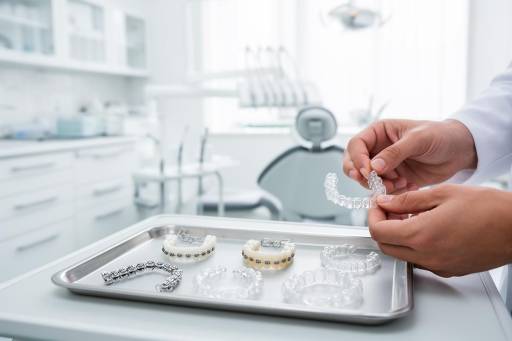
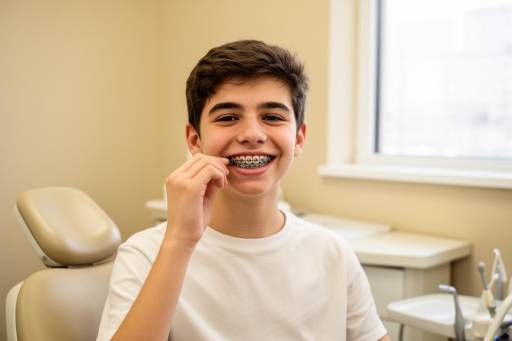
The treatment process often begins with orthodontic braces to align the teeth within each jaw in preparation for surgery. The surgical procedure then repositions the jaws to their ideal relationship, followed by continued orthodontic adjustments to fine-tune tooth positioning and achieve optimal bite function. This comprehensive approach requires collaboration between orthodontists and oral surgeons to ensure both dental and skeletal components are addressed for lasting results.
The Role of Orthognathic Surgery in Advanced Orthodontic Treatment
Orthognathic surgery plays a pivotal role in advanced orthodontic treatment by enabling corrections that are beyond the scope of braces, aligners, or other non-surgical methods alone. While traditional orthodontics can effectively move teeth within the jawbones, it cannot address discrepancies in the size, shape, or position of the jaws themselves. Orthognathic surgery involves carefully planned surgical procedures to cut and reposition the upper jaw (maxilla), lower jaw (mandible), or both, thereby achieving proper skeletal alignment and function.
Common orthognathic procedures include mandibular osteotomy, which corrects issues related to the lower jaw such as prognathism (protruding jaw) or retrognathism (receding jaw). Maxillary osteotomy adjusts the upper jaw to correct vertical or horizontal discrepancies that affect bite and facial aesthetics. Genioplasty, or chin reshaping surgery, is sometimes performed in conjunction to enhance facial balance and profile. These surgeries are meticulously planned using advanced imaging techniques and computer simulations to ensure precise correction tailored to the patient’s unique anatomy.
Orthognathic surgery complements orthodontic treatment by providing a stable skeletal foundation upon which teeth can be properly aligned. After surgery, orthodontic appliances such as braces continue to fine-tune the bite and tooth positioning, ensuring optimal occlusion and function. This combined approach not only improves chewing efficiency and speech clarity but also enhances facial appearance by restoring symmetry and proportion.
Recovery times vary depending on the extent of the surgery and individual healing rates. Patients typically experience swelling, bruising, and some discomfort for several weeks, with gradual return to normal activities over time. Long-term benefits include improved oral health, reduced risk of dental wear and TMJ disorders, and enhanced quality of life through better function and aesthetics. Orthognathic surgery is thus an essential component of comprehensive treatment for patients with severe jaw deformities or malocclusion that cannot be resolved through orthodontics alone.
Who Should Consider Surgical Orthodontics?
Surgical orthodontics is best suited for patients whose jaw problems are too severe or complex to be corrected with braces or aligners alone. Ideal candidates often present with significant malocclusion types such as underbites, overbites, crossbites, or open bites, which result from skeletal discrepancies rather than just dental misalignment. Jaw asymmetry, where one side of the jaw is different in size or position compared to the other, is another common indication. Functional issues such as difficulty chewing, speaking clearly, or breathing problems related to jaw positioning, like obstructive sleep apnea, also make surgical orthodontics a valuable treatment option.
The assessment process involves a thorough orthodontic evaluation that includes taking dental impressions, 3D imaging such as cone beam computed tomography (CBCT), and detailed facial analysis to understand the relationship between the jaws and teeth. These diagnostic tools help the orthodontist and oral surgeon visualize the skeletal and dental structures, allowing for precise treatment planning. Age is an important consideration; surgery is typically recommended only after jaw growth is complete, which usually occurs in late adolescence or adulthood, to ensure stability of results.
Your orthodontist and oral surgeon will collaborate closely to determine whether surgical intervention is necessary based on your specific condition, severity of jaw discrepancy, and treatment goals. Expected outcomes include improved jaw function, better facial balance and symmetry, and optimal dental alignment. However, candidacy also depends on overall health status, as certain medical conditions may contraindicate surgery. Additionally, patient commitment to the treatment process, including pre- and post-surgical orthodontic care and adherence to recovery protocols, is critical for success.
It is important to note that not every malocclusion or jaw irregularity requires surgery. Many cases can be effectively managed with orthodontics alone. Therefore, a personalized evaluation by experienced professionals is essential to decide the best path forward, weighing the potential benefits of surgery against the risks and recovery demands.
Preparing for Surgery and What to Expect
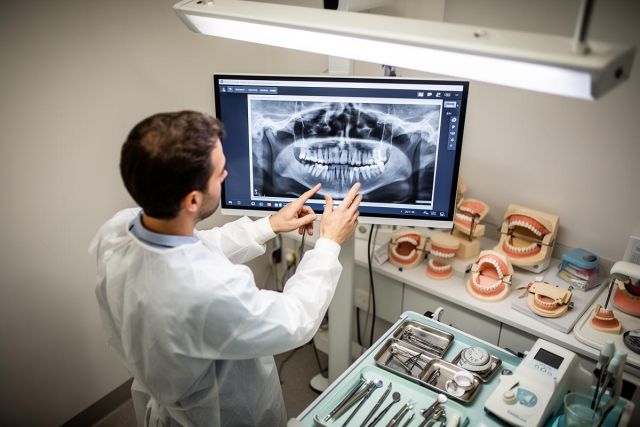
Preparation for surgical orthodontics is a comprehensive process that involves detailed planning and close coordination between your orthodontist and oral surgeon. This phase begins with diagnostic imaging such as X-rays, panoramic radiographs, and 3D scans to assess the jawbones, teeth, and surrounding structures. Dental impressions or digital scans are taken to create accurate models of your teeth and bite. In many cases, virtual surgical planning software is used to simulate the surgery, allowing the surgical team to plan precise cuts and movements of the jawbones for optimal results.
Before surgery, you will undergo preoperative medical assessments to ensure you are healthy enough to safely undergo general anesthesia and the surgical procedure. This may include blood tests, a physical exam, and review of your medical history. Orthodontic braces or appliances are typically worn for several months prior to surgery to align the teeth within each jaw, preparing them for the skeletal adjustments to come.
The surgery itself is performed under general anesthesia and can last several hours depending on the complexity of the case and the number of jaws involved. During the procedure, the surgeon carefully cuts and repositions the jawbones, securing them with plates and screws. Postoperative recovery involves managing swelling and discomfort through medications and cold compresses. Patients are usually advised to follow a soft or liquid diet initially to avoid stressing the surgical sites.
Follow-up care includes regular visits to monitor healing and continued orthodontic treatment to fine-tune tooth positioning. Recovery timelines vary but generally involve several weeks of swelling and gradual return to normal jaw function. Patients should expect some temporary limitations in speaking, eating, and facial expressions during this period. Clear guidance on oral hygiene, diet, and activity restrictions is provided to support healing.
Setting realistic expectations about the recovery process and the importance of follow-up care is essential. Healing rates differ among individuals based on factors such as age, overall health, and adherence to postoperative instructions. With proper preparation and support, patients can anticipate a gradual improvement in jaw function, comfort, and appearance over the weeks and months following surgery.
Benefits and Risks of Surgical Orthodontics
Surgical orthodontics offers significant benefits that extend beyond what traditional orthodontic treatments can achieve alone. By addressing the skeletal foundation of the jaws, this approach can dramatically improve bite function, allowing for more efficient chewing and reducing wear on teeth. Enhanced facial aesthetics is another important benefit, as repositioning the jaws can restore facial symmetry, balance, and overall appearance, which often leads to increased self-confidence. Additionally, surgical orthodontics can improve speech clarity by correcting jaw alignment that interferes with tongue placement and articulation. For patients experiencing jaw-related pain, temporomandibular joint (TMJ) disorders, or breathing difficulties such as obstructive sleep apnea, surgery can provide relief by correcting structural abnormalities that contribute to these conditions. These improvements tend to be long-lasting and more stable than what can be achieved with orthodontics alone, as the skeletal corrections address the root cause rather than just the dental alignment.
However, it is important to recognize that orthognathic surgery carries inherent risks similar to other surgical procedures. Potential complications include infection at the surgical site, bleeding, and adverse reactions to anesthesia. Nerve injury is a notable risk, which can result in temporary or sometimes permanent numbness or altered sensation in areas such as the lower lip, chin, or cheeks. Postoperative swelling, bruising, and discomfort are common and generally subside over time with proper care. There is also a risk of relapse or incomplete correction, which may require additional treatment. Patients must be aware that recovery involves a period of limited oral function and dietary restrictions.
Find the Right Orthodontic Treatment for Your Smile
Answer a few short questions and HealthNode will help you connect with the right orthodontist for braces, clear aligners, or bite correction.
Treatment Preferences
This helps us understand which orthodontic option may fit your lifestyle and expectations.
Dental and Bite Details
A few details help the orthodontist understand whether you may need simple alignment, bite correction, or a more detailed treatment plan.
Contact information
Your information is only used to contact you and is never shared with third parties.
Your request has been received!
Thank you. If you have recent dental photos, dental X-rays, panoramic X-ray, cephalometric X-ray, intraoral scan, previous braces or aligner records, retainer records, or orthodontic treatment plans, please keep them ready. A HealthNode consultant will guide you through the next step.
Deciding to pursue surgical orthodontics requires a careful balance between these benefits and risks. Comprehensive surgical planning, selecting experienced specialists, and strict adherence to postoperative instructions are crucial to minimizing complications and optimizing outcomes. Open communication with your healthcare team about potential risks, expected recovery timelines, and realistic treatment goals is essential to making an informed decision. Understanding both the transformative potential and the challenges of surgical orthodontics helps patients set appropriate expectations and prepares them for the treatment journey ahead, without making false promises or unsafe claims.
Frequently Asked Questions
Q: What is the difference between surgical and traditional orthodontics?
A: Traditional orthodontics focuses on aligning teeth using braces or aligners without altering the jaw bones. Surgical orthodontics combines braces with jaw surgery to correct skeletal problems that affect bite and facial structure.
Q: How long does recovery from orthognathic surgery usually take?
A: Recovery typically takes several weeks, during which swelling and discomfort gradually improve. Most patients can return to normal activities within six weeks, but complete healing and orthodontic adjustments may continue for several months.
Q: Are there age restrictions for surgical orthodontics?
A: Surgical orthodontics is generally recommended after jaw growth is complete, often in late adolescence or adulthood. Younger patients may undergo orthodontic treatment first, with surgery planned once growth has stabilized.
Q: What are common risks associated with jaw surgery?
A: Common risks include infection, bleeding, nerve injury causing numbness, and complications from anesthesia. Proper surgical planning and postoperative care reduce these risks significantly.
Q: Will surgical orthodontics improve my facial appearance?
A: Yes, surgical orthodontics aims to enhance facial symmetry and aesthetics by correctly positioning the jaws. This often results in a more balanced appearance alongside improved jaw function.
The information provided is for educational purposes only and does not constitute medical advice. Always consult with a healthcare professional for medical guidance specific to your situation.