Quick Answer
Teenagers can have orthodontic treatment, which is often ideal during adolescence because the jaws and teeth are still developing, allowing for more effective and efficient correction of dental issues. Treatment options include braces, clear aligners, palatal expanders, and retainers, with the best timing typically between ages 10 and 14.
- Orthodontic treatment in teenagers leverages the natural growth of jaws and teeth for better results compared to adults.
- Common orthodontic appliances for teens include traditional metal braces, clear aligners, palatal expanders, and retainers.
- Clear aligners are a popular, less visible option but require consistent wear for 20 to 22 hours daily to be effective.
- The optimal age to start treatment is usually between 10 and 14 years, coinciding with permanent teeth eruption and growth spurts.
- Orthodontic treatment improves oral health by preventing issues like tooth decay, gum disease, jaw pain, and abnormal tooth wear.
- Maintaining excellent oral hygiene and following dietary recommendations are crucial during treatment to avoid complications.
- Regular orthodontic visits are necessary to monitor progress, make adjustments, and ensure effective treatment.
Can Teenagers Have Orthodontic Treatment?
Orthodontic treatment is a common and effective approach to correcting dental alignment and bite issues in teenagers. This stage of life is often ideal for orthodontic intervention because the jaws and teeth are still developing, making it easier to guide teeth into better positions compared to adults. The flexibility of growing bones allows orthodontists to achieve results more efficiently and with fewer complications.
During adolescence, orthodontic care can involve various appliances such as braces, clear aligners, palatal expanders, and retainers, depending on the specific needs of the patient. Understanding the different treatment options, the best timing to begin, and what to expect during the process empowers parents and teens to make informed decisions about dental health.
Beyond cosmetic improvements, orthodontic treatment during the teenage years supports long-term oral health by preventing problems such as tooth decay, gum disease, jaw pain, and abnormal wear caused by misaligned teeth. Addressing these issues early can reduce the need for more extensive dental work in the future. Consulting with a qualified orthodontist to assess your teen’s individual dental needs is the first step toward planning appropriate and effective treatment that promotes both a healthy smile and overall well-being.
Find the Right Orthodontic Treatment for Your Smile
Answer a few short questions and HealthNode will help you connect with the right orthodontist for braces, clear aligners, or bite correction.
Treatment Preferences
This helps us understand which orthodontic option may fit your lifestyle and expectations.
Dental and Bite Details
A few details help the orthodontist understand whether you may need simple alignment, bite correction, or a more detailed treatment plan.
Contact information
Your information is only used to contact you and is never shared with third parties.
Your request has been received!
Thank you. If you have recent dental photos, dental X-rays, panoramic X-ray, cephalometric X-ray, intraoral scan, previous braces or aligner records, retainer records, or orthodontic treatment plans, please keep them ready. A HealthNode consultant will guide you through the next step.
Comprehensive Guide to Orthodontic Treatment for Teenagers
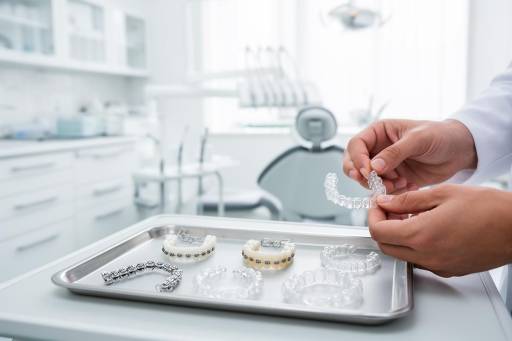
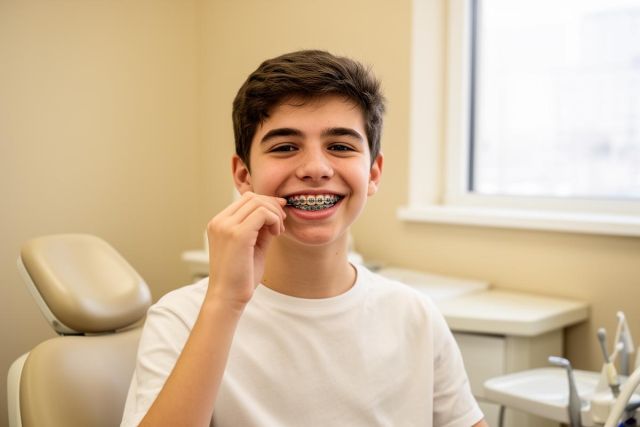
Orthodontic treatment for teenagers involves the use of specialized devices designed to correct the positioning of teeth and alignment of the jaws. The most recognized and commonly used appliance is braces, which consist of brackets bonded to the teeth and connected by wires. These wires apply gentle, continuous pressure to gradually move teeth into their desired positions. Braces can address a wide range of dental issues, including crooked teeth, gaps, and bite problems.
Clear aligners have become an increasingly popular option among teens who prefer a less visible treatment. These are custom-made, transparent plastic trays that fit snugly over the teeth and are replaced every few weeks to progressively shift teeth. Clear aligners offer the advantage of being removable, allowing for easier eating and oral hygiene. However, their success depends heavily on the patient’s discipline to wear them consistently for the recommended 20 to 22 hours per day.
The typical age range for starting orthodontic treatment is between 10 and 14 years, when most permanent teeth have erupted but the jaw is still growing. This timing allows orthodontists to leverage natural growth spurts to achieve better outcomes. Depending on the specific dental concerns, other appliances such as palatal expanders, which widen the upper jaw, or headgear, which guides jaw growth, may be incorporated into the treatment plan.
Maintaining excellent dental hygiene during orthodontic treatment is critical to prevent cavities and gum disease, as braces and other appliances can make cleaning more challenging. Regular visits to the orthodontist are necessary to monitor progress, make adjustments, and ensure that treatment proceeds safely and effectively. Educating teens about the importance of compliance and care helps maximize the benefits of orthodontic therapy and supports a healthy, confident smile.
When Is the Right Time for Teen Orthodontics?
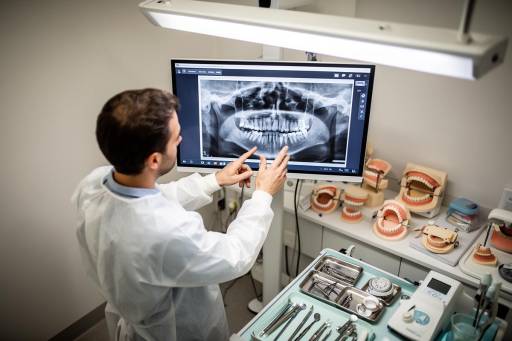
Determining the right time for orthodontic treatment depends largely on your teen’s individual dental development and growth patterns. Orthodontists generally recommend an initial evaluation by age 7 to identify any early signs of misalignment, bite issues, or jaw growth problems. Although treatment may not begin immediately, early assessment allows for timely intervention if necessary.
For many teens, the optimal time to start orthodontic treatment is between 11 and 14 years old, when most permanent teeth have erupted and puberty-related growth spurts occur. During these growth periods, the jawbones are more malleable, making it easier to correct issues such as overcrowding, crossbites, or jaw discrepancies. Taking advantage of natural growth can lead to more efficient treatment and better long-term results.
Starting treatment too early may require a two-phase approach, where initial correction is followed by a second phase later, potentially lengthening overall treatment time. Conversely, delaying treatment too long might reduce effectiveness or necessitate more invasive procedures. A professional orthodontic assessment is essential to determine the best timing tailored to your teen’s unique dental development. This personalized approach balances treatment success, comfort, and the teen’s readiness to participate actively in their care.
Common Orthodontic Options for Teenagers
Several orthodontic treatments are commonly recommended for teenagers, each offering distinct benefits and considerations tailored to individual needs. Traditional metal braces remain the most widely used option due to their effectiveness in correcting complex alignment and bite issues. These braces consist of metal brackets bonded to the teeth and connected by wires, allowing orthodontists precise control over tooth movement. Although they are more visible, modern braces are smaller and more comfortable than in the past, and many teens personalize them with colorful elastics.
Clear aligners provide a popular alternative for teens seeking a less noticeable treatment. These removable, transparent trays gradually shift teeth into place and can be taken out for eating, brushing, and flossing, which helps maintain oral hygiene. However, clear aligners require strong commitment to wearing them for 20 to 22 hours daily to be effective. They may not be suitable for severe orthodontic problems, such as significant bite discrepancies or complex tooth movements.
In addition to braces and aligners, other orthodontic appliances may be used either alone or in combination to address specific issues. Palatal expanders can widen the upper jaw to correct crossbites or create space for crowded teeth. Retainers are typically used after active treatment to maintain results. Headgear may be prescribed in some cases to correct jaw growth or bite alignment problems. Your orthodontist will evaluate your teen’s dental condition, lifestyle, and preferences to recommend the most appropriate treatment plan, balancing effectiveness, comfort, and aesthetics.
Benefits and Considerations of Teen Orthodontics
Orthodontic treatment during the teenage years offers numerous benefits that extend beyond improving the appearance of the smile. Properly aligned teeth enhance oral function, making it easier to chew and speak effectively. Straight teeth are also simpler to clean, which reduces the risk of cavities, gum disease, and other oral health problems. Correcting bite issues can alleviate jaw discomfort, prevent abnormal wear on teeth, and reduce the likelihood of temporomandibular joint (TMJ) disorders.
Adolescence is an ideal time for orthodontic treatment because the jaws and facial bones are still growing, allowing for faster and often more effective tooth movement compared to adults. This growth can be leveraged to correct skeletal discrepancies and improve overall facial balance. However, successful treatment requires a strong commitment to maintaining oral hygiene and adhering to lifestyle adjustments. Teens need to avoid hard, sticky, or chewy foods that could damage braces or appliances, and they should follow all care instructions provided by their orthodontist.
The duration of treatment varies depending on the complexity of the dental issues but typically ranges from 12 to 36 months. Regular visits to the orthodontist are essential for making adjustments and monitoring progress. Families should carefully consider factors such as treatment costs, maintenance requirements, and the teen’s willingness to comply with care instructions before proceeding. Open communication between the orthodontist, teen, and parents helps ensure realistic expectations and a positive treatment experience.
Preparing Your Teen for Orthodontic Treatment
Getting ready for orthodontic treatment involves more than just scheduling appointments; it requires both practical and emotional preparation to ensure a smooth experience for your teen. One of the most important steps is teaching and reinforcing good oral hygiene habits. Braces and aligners can trap food particles and create areas where plaque builds up more easily, increasing the risk of tooth decay and gum irritation. Encouraging your teen to brush thoroughly after every meal and floss daily is essential to maintain oral health throughout treatment. Using special orthodontic toothbrushes, floss threaders, or water flossers can make cleaning around appliances easier and more effective.
Open and honest conversations about what to expect during treatment can help reduce any anxiety your teen may have about discomfort, changes in appearance, or lifestyle adjustments. It’s normal for teens to feel self-conscious initially, so discussing these feelings and setting realistic expectations can foster patience and cooperation. Emphasizing the importance of following dietary recommendations, such as avoiding hard, sticky, or sugary foods, helps prevent damage to braces or aligners and supports treatment success.
Scheduling and attending regular orthodontic appointments is crucial for timely adjustments and to address any issues like soreness or broken appliances promptly. Parents can also prepare by understanding the financial aspects, including insurance coverage and payment options, to avoid surprises. Choosing an orthodontist who has experience working with teenagers and who communicates clearly and compassionately can make the process more comfortable and reassuring for your teen. Ultimately, preparation involves a combination of education, support, and practical planning to set the stage for a positive orthodontic journey.
Find the Right Orthodontic Treatment for Your Smile
Answer a few short questions and HealthNode will help you connect with the right orthodontist for braces, clear aligners, or bite correction.
Treatment Preferences
This helps us understand which orthodontic option may fit your lifestyle and expectations.
Dental and Bite Details
A few details help the orthodontist understand whether you may need simple alignment, bite correction, or a more detailed treatment plan.
Contact information
Your information is only used to contact you and is never shared with third parties.
Your request has been received!
Thank you. If you have recent dental photos, dental X-rays, panoramic X-ray, cephalometric X-ray, intraoral scan, previous braces or aligner records, retainer records, or orthodontic treatment plans, please keep them ready. A HealthNode consultant will guide you through the next step.
Frequently Asked Questions
Q: At what age should teenagers start orthodontic treatment?
A: Most orthodontists recommend evaluating children by age 7, but treatment for teenagers typically starts between 10 and 14 years old. This timing allows for most permanent teeth to be present and takes advantage of growth spurts. Individual needs vary, so consulting an orthodontist is important.
Q: Are clear aligners effective for teenagers?
A: Clear aligners can be effective for many teenagers, especially for mild to moderate alignment issues. They offer a discreet and removable option but require consistent wear of 20-22 hours daily to work well. Severe cases may still require traditional braces.
Q: Is orthodontic treatment painful for teens?
A: Some discomfort or soreness is common after adjustments but is usually manageable with over-the-counter pain relievers like acetaminophen. Most teens adapt quickly, and discomfort typically decreases as treatment progresses. Orthodontists provide guidance to minimize pain.
Q: How long does teen orthodontic treatment usually last?
A: Treatment duration varies but generally lasts from 12 to 36 months depending on the complexity of the case. Regular visits and adherence to care recommendations help keep treatment on schedule. Your orthodontist will provide a personalized timeline.
The information provided is for educational purposes only and does not constitute medical advice. Always consult with a healthcare professional for medical guidance specific to your situation.