Quick Answer
Common orthodontic treatments include traditional metal braces, ceramic braces, lingual braces, and clear aligners, each designed to gradually move teeth into proper alignment to improve function and aesthetics.
- Traditional metal braces are durable, effective for complex dental issues, and visible during treatment.
- Clear aligners are removable, nearly invisible, and best suited for mild to moderate orthodontic corrections.
- Ceramic braces use tooth-colored brackets for a less noticeable appearance but require careful maintenance to avoid damage and staining.
- Lingual braces are placed behind the teeth, making them invisible from the front but can be harder to clean and may cause initial discomfort.
- Treatment duration varies from about 12 months to 3 years depending on the method and severity of dental issues.
- Good oral hygiene and regular orthodontic visits are essential regardless of the treatment type.
- Choosing the right treatment depends on factors like age, lifestyle, dental needs, aesthetics, and cost.
Common Types of Orthodontic Treatments
Orthodontic treatments encompass a variety of options designed to correct dental misalignment and improve both oral function and aesthetics. The most common treatments include traditional metal braces, ceramic braces, lingual braces, and clear aligners. Each method works by applying gentle, continuous pressure to the teeth, gradually moving them into the desired position over time. This process not only enhances the appearance of your smile but also improves how your teeth function together, which can have a positive impact on chewing, speaking, and overall oral health.
Understanding these treatment types helps you make an informed decision about which option suits your dental needs and lifestyle best. Orthodontic treatment can contribute to better oral hygiene by aligning teeth properly, making it easier to clean between them and reducing the risk of cavities and gum disease. Additionally, correcting bite issues can alleviate problems such as jaw pain or uneven wear on teeth.
If you are considering orthodontic care, especially from abroad, knowing these key options and their differences is essential to set realistic expectations and prepare for the treatment journey. This overview aims to clarify the available treatments, their typical processes, benefits, and considerations, helping you understand what you can expect during your dental correction journey and how to collaborate effectively with your orthodontic provider.
Find the Right Orthodontic Treatment for Your Smile
Answer a few short questions and HealthNode will help you connect with the right orthodontist for braces, clear aligners, or bite correction.
Treatment Preferences
This helps us understand which orthodontic option may fit your lifestyle and expectations.
Dental and Bite Details
A few details help the orthodontist understand whether you may need simple alignment, bite correction, or a more detailed treatment plan.
Contact information
Your information is only used to contact you and is never shared with third parties.
Your request has been received!
Thank you. If you have recent dental photos, dental X-rays, panoramic X-ray, cephalometric X-ray, intraoral scan, previous braces or aligner records, retainer records, or orthodontic treatment plans, please keep them ready. A HealthNode consultant will guide you through the next step.
Orthodontic Treatments: Comprehensive Options for Every Smile
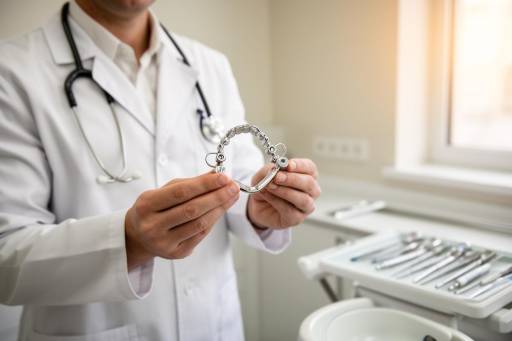
Orthodontic treatments primarily focus on correcting teeth alignment and bite issues through various devices designed to move teeth gradually into optimal positions. Traditional braces remain the most widely recognized form, consisting of metal brackets bonded to the teeth and connected by wires that are periodically adjusted by an orthodontist to guide tooth movement. This method is effective for a broad range of dental problems and is often used when precise control is necessary.
Ceramic braces offer a similar mechanism but utilize tooth-colored or clear brackets, making them less visible and more aesthetically pleasing for patients concerned about appearance. These braces provide an alternative for those seeking effective treatment with reduced visibility, although they may require more careful maintenance.
Lingual braces are placed on the inner surfaces of the teeth, hidden from view, providing a discreet alternative for those who want their orthodontic treatment to be invisible. This option is particularly suitable for patients with complex orthodontic needs who also want to maintain a natural smile during treatment. However, lingual braces can be more difficult to clean and may cause initial discomfort.
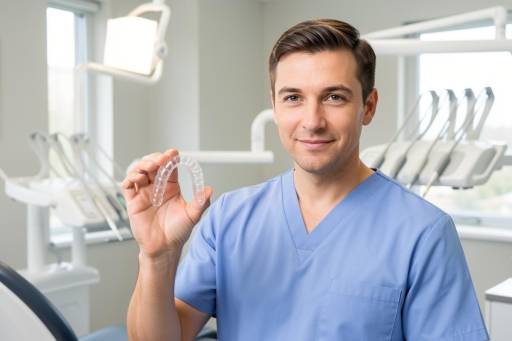
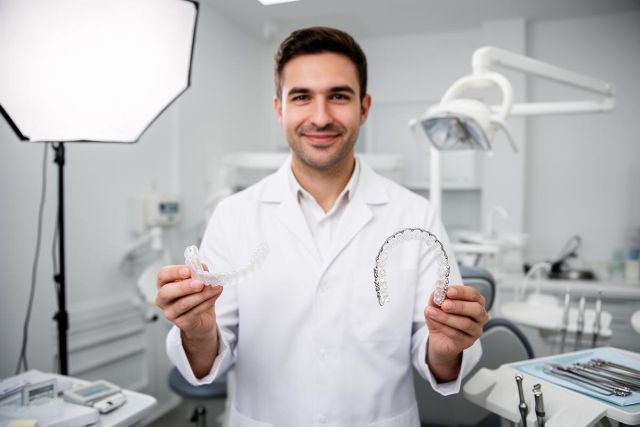
Clear aligners, often referred to as invisible braces, are custom-made, transparent trays that fit snugly over the teeth and are removable. These aligners allow for flexibility in daily life, enabling patients to eat and maintain oral hygiene without obstruction. They are preferred by patients seeking less noticeable treatment and are typically best suited for mild to moderate orthodontic corrections.
Each orthodontic option varies in appearance, comfort, treatment duration, and suitability depending on the complexity of dental issues. Understanding these differences prepares you for a consultation where a specialist can recommend the best treatment plan tailored to your individual needs, goals, and lifestyle, ensuring an effective and satisfactory orthodontic experience.
Traditional Braces: The Classic Solution for Dental Alignment
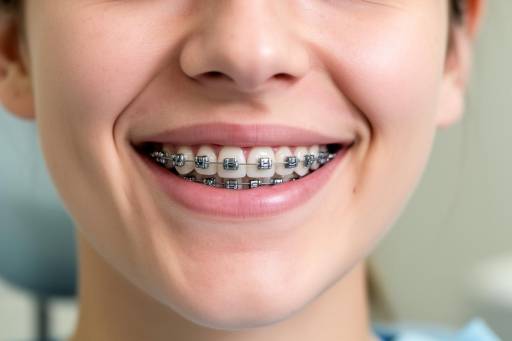
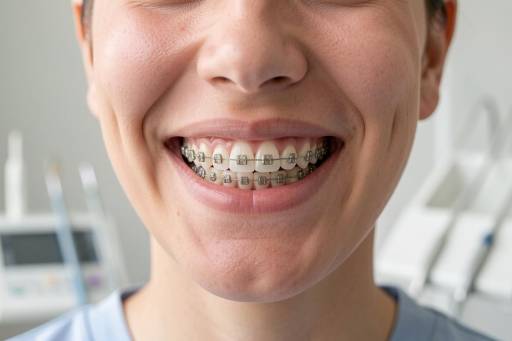
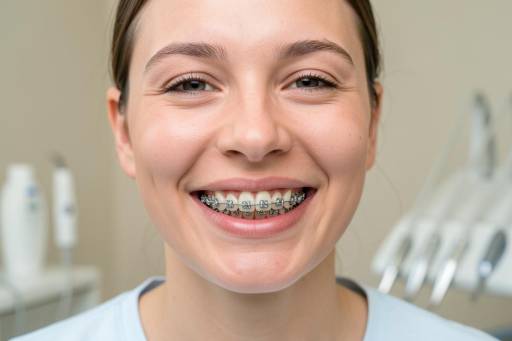
Metal braces are the classic and most commonly used orthodontic treatment worldwide. They consist of small stainless steel brackets that are bonded directly to the front surfaces of the teeth and connected by archwires. Orthodontists periodically adjust these wires to apply controlled pressure, gradually moving the teeth into their proper positions. This method is highly effective for correcting a wide range of dental alignment and bite problems, including severe crowding, gaps, and complex malocclusions.
Traditional braces are suitable for patients of all ages, including children, teens, and adults. They are often recommended when precise tooth movement is necessary or when other treatment options may not be sufficient. One advantage of metal braces is their durability and strength, which can handle more significant orthodontic challenges.
In terms of cost, traditional braces tend to be more affordable compared to newer alternatives like clear aligners or lingual braces. Treatment duration varies depending on the severity of the case but generally lasts between 18 months to 3 years. Patients should be aware that wearing braces requires commitment to regular orthodontic visits for adjustments and monitoring progress.
While metal braces are very visible and may affect aesthetics during treatment, they have evolved to be more comfortable and less bulky than in the past. Patients may experience some initial discomfort or soreness after adjustments, which typically subsides. Maintaining excellent oral hygiene is crucial, as food can easily lodge around brackets and wires, increasing the risk of plaque buildup, tooth decay, and gum inflammation. Special cleaning tools and techniques are often recommended to help keep teeth and braces clean throughout treatment.
Clear Aligners: A Discreet and Flexible Alternative
Clear aligners are transparent, removable trays that gradually shift teeth into alignment through a series of custom-made devices. They represent a modern alternative to traditional braces, favored for their aesthetic appeal and convenience. Because they are virtually invisible when worn, many adults and teens prefer clear aligners for their discreetness, making them especially popular among those concerned about appearance during treatment.
These aligners are custom-designed based on digital scans or impressions of your teeth, ensuring a precise fit. You typically receive a series of trays that you change every one to two weeks, with each set moving your teeth incrementally closer to the desired position. Treatment duration can be comparable to traditional braces but often depends on individual cases and the complexity of the dental issues being addressed.
One of the key benefits of clear aligners is their removability, allowing you to eat, brush, and floss without impediment, which helps maintain good oral hygiene throughout treatment. This flexibility can also make it easier to maintain a normal diet and oral care routine. However, clear aligners require discipline to wear for the recommended 20 to 22 hours per day to be effective. Failure to wear them consistently can prolong treatment or reduce its effectiveness.
Clear aligners are best suited for mild to moderate orthodontic corrections, such as minor crowding, spacing, or bite issues. More complex cases may require traditional braces or other orthodontic appliances. It is important to have a thorough evaluation by an orthodontist to determine if clear aligners are appropriate for your specific dental needs.
Other Orthodontic Options: Ceramic and Lingual Braces
Ceramic braces function similarly to traditional metal braces but use brackets made of tooth-colored or clear ceramic material. This makes them less noticeable on your teeth, appealing to patients who want effective treatment without the conspicuous appearance of metal braces. Ceramic braces provide a good balance between aesthetics and functionality, making them a popular choice among adults and teens.
Despite their visual appeal, ceramic braces are more fragile than metal ones and may be prone to chipping or breaking if not handled carefully. Additionally, the ceramic brackets and the elastic ties used to hold the wires can sometimes stain if exposed to certain foods, drinks, or smoking, which requires diligent oral hygiene and care. Ceramic braces tend to be slightly more expensive than metal braces and may require more careful handling during treatment to avoid damage.
Lingual braces are fixed on the back (lingual) side of the teeth, making them completely invisible from the front. This fully concealed orthodontic option is ideal for patients who prioritize aesthetics but need the precise control that fixed braces provide. Lingual braces are customized for each patient to fit the contours of their teeth, which can make the fabrication process more complex and costly.
While lingual braces offer excellent invisibility, they can be more challenging to clean due to their position behind the teeth. Patients may experience temporary tongue irritation or speech difficulties during the initial adjustment period. Lingual braces are often used for complex cases where invisibility is a priority, but they require a skilled orthodontist experienced in this technique.
Both ceramic and lingual braces require regular orthodontic visits for adjustments and careful oral hygiene practices to ensure successful treatment outcomes. Patients should be prepared for the maintenance and care involved with these options to achieve the best results.
Choosing the Right Orthodontic Treatment for You
Selecting the most suitable orthodontic treatment involves considering several personal factors that impact both the effectiveness and your comfort throughout the process. Age plays a significant role since some treatments are more appropriate for children, whose jaws and teeth are still developing, while others are better suited for adults. For example, certain appliances may be designed specifically to guide jaw growth in younger patients, whereas adults might require different approaches due to fully developed bone structures.
Your lifestyle and aesthetic preferences are also important considerations. Clear aligners, for instance, offer discretion and flexibility, allowing you to remove them for eating, brushing, and special occasions, which can be appealing for those with busy or social lifestyles. In contrast, traditional braces, while more visible, may be better suited for complex corrections that require more precise control over tooth movement.
The specific dental needs, including the severity of misalignment, bite issues such as overbite or crossbite, and any underlying oral health concerns, will guide the orthodontist’s recommendation. Some treatments may be more effective for certain types of malocclusion or jaw discrepancies. Additionally, treatment duration can vary widely depending on the method chosen and the complexity of the case, ranging from several months to a few years.
Cost is another factor to consider, as different treatment options have varying price points and insurance coverage may differ. Maintenance requirements also vary; for example, traditional braces require careful cleaning around brackets and wires, while clear aligners demand consistent wear and cleaning of the trays.
Find the Right Orthodontic Treatment for Your Smile
Answer a few short questions and HealthNode will help you connect with the right orthodontist for braces, clear aligners, or bite correction.
Treatment Preferences
This helps us understand which orthodontic option may fit your lifestyle and expectations.
Dental and Bite Details
A few details help the orthodontist understand whether you may need simple alignment, bite correction, or a more detailed treatment plan.
Contact information
Your information is only used to contact you and is never shared with third parties.
Your request has been received!
Thank you. If you have recent dental photos, dental X-rays, panoramic X-ray, cephalometric X-ray, intraoral scan, previous braces or aligner records, retainer records, or orthodontic treatment plans, please keep them ready. A HealthNode consultant will guide you through the next step.
A professional evaluation is essential to develop a tailored treatment plan. Orthodontists will conduct a comprehensive assessment, including oral health examination, diagnostic images like X-rays or 3D scans, and a discussion of your personal goals and expectations. This collaborative approach ensures that you choose a treatment that fits your unique needs and lifestyle, leading to optimal dental correction and a satisfying outcome.
Frequently Asked Questions
Q: What are the main differences between metal braces and clear aligners?
A: Metal braces use fixed brackets and wires to move teeth, suitable for complex cases but visibly noticeable. Clear aligners are removable and nearly invisible, ideal for mild to moderate corrections but require consistent wear for effectiveness.
Q: How long does orthodontic treatment usually take?
A: Treatment duration varies based on the method and severity of dental issues. Typically, it ranges from 12 months to 3 years. Your orthodontist will provide an estimated timeline after evaluation.
Q: Can adults benefit from orthodontic treatments?
A: Yes, orthodontic treatments are effective for adults as well as children and teens. Many adults choose options like clear aligners or lingual braces for discreet correction.
Q: Are clear aligners suitable for all types of dental corrections?
A: Clear aligners are best for mild to moderate misalignments and bite issues. More complex orthodontic problems may require traditional or lingual braces for effective treatment.
Q: What maintenance is required during orthodontic treatment?
A: Regardless of the method, good oral hygiene is crucial. Brushing and flossing regularly prevent plaque buildup around braces or aligners. Regular orthodontic visits for adjustments or new aligners are also necessary.
The information provided is for educational purposes only and does not constitute medical advice. Always consult with a healthcare professional for medical guidance specific to your situation.