Quick Answer
Orthodontic treatment is not only for cosmetic reasons; it primarily aims to improve oral health and function by correcting bite issues and jaw misalignments. It also enhances chewing, speech, dental hygiene, and prevents long-term dental problems.
- Orthodontic treatment corrects bite problems and jaw misalignments that affect oral function and health.
- Proper alignment of teeth and jaws improves chewing efficiency, speech clarity, and reduces muscle strain and jaw pain.
- Orthodontics helps prevent dental issues like tooth decay, gum disease, and temporomandibular joint disorders by facilitating better oral hygiene.
- Treatment benefits extend beyond aesthetics to support long-term oral health and comfort.
- People of all ages, including children, teenagers, and adults, can benefit from orthodontic treatment.
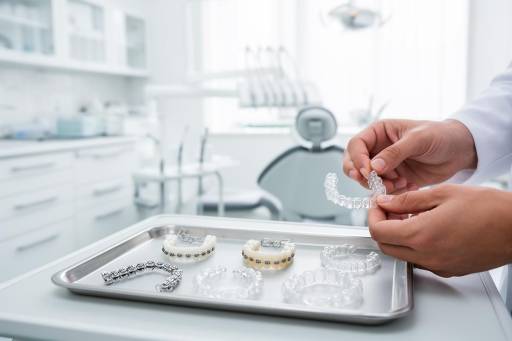
- Modern orthodontic options include traditional braces, clear aligners, and lingual braces, each suited to different needs and preferences.
- Common misconceptions include that orthodontics is only cosmetic, only for children, or always painful; in reality, it addresses functional health issues and is accessible to adults with manageable discomfort.
Is Orthodontic Treatment Only for Cosmetic Reasons?
Orthodontic treatment is not solely for cosmetic enhancement; it plays a crucial role in improving oral health and function. While many people commonly associate braces and aligners with creating a more attractive smile, the primary goal of orthodontic care is often to correct bite issues, properly align jaws, and prevent long-term dental problems that can affect overall health.
These treatments contribute to better chewing, clearer speech, and improved dental hygiene, all of which have a significant impact on your general wellbeing.
The Essential Goals and Benefits of Orthodontic Treatment
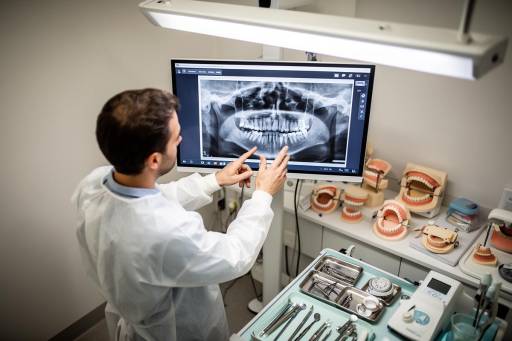
Orthodontic treatment primarily focuses on correcting bite problems and jaw misalignments that affect oral function and health. These issues include common conditions such as overbites, underbites, crossbites, and open bites, each of which can lead to uneven wear of teeth, jaw pain, difficulties in chewing or speaking properly, and even contribute to temporomandibular joint (TMJ) disorders if left unaddressed.
Find the Right Orthodontic Treatment for Your Smile
Answer a few short questions and HealthNode will help you connect with the right orthodontist for braces, clear aligners, or bite correction.
Treatment Preferences
This helps us understand which orthodontic option may fit your lifestyle and expectations.
Dental and Bite Details
A few details help the orthodontist understand whether you may need simple alignment, bite correction, or a more detailed treatment plan.
Contact information
Your information is only used to contact you and is never shared with third parties.
Your request has been received!
Thank you. If you have recent dental photos, dental X-rays, panoramic X-ray, cephalometric X-ray, intraoral scan, previous braces or aligner records, retainer records, or orthodontic treatment plans, please keep them ready. A HealthNode consultant will guide you through the next step.
By aligning teeth and jaws correctly, orthodontics helps distribute bite forces evenly across all teeth, reducing the risk of tooth damage, fractures, and excessive wear. Proper alignment also facilitates easier and more effective dental hygiene practices, lowering the risk of cavities, gum disease, and other oral infections. When your teeth and jaws work harmoniously, your overall oral function improves, leading to better chewing efficiency, clearer speech, and reduced muscle strain.
The benefits of orthodontic treatment extend well beyond appearance. While a straighter smile can boost self-confidence, the fundamental goal is to support your long-term oral health and comfort. Addressing functional problems early can prevent more serious dental complications later in life, such as tooth loss, chronic jaw pain, or the need for extensive restorative procedures.
Orthodontic care is thus an investment in your overall wellbeing, helping you maintain a healthy, comfortable, and functional mouth for years to come. Your orthodontist will tailor treatment plans to address your specific bite and jaw issues, ensuring that the outcomes support both your health and quality of life.
Beyond Looks: The Health Benefits of Orthodontics
Orthodontic treatment offers significant health advantages that go well beyond improving the appearance of your smile. One of the primary health benefits is the prevention of dental problems before they worsen. Misaligned teeth can create tight spaces and irregular surfaces where food particles and bacteria easily become trapped, increasing the likelihood of tooth decay and gum disease. By straightening the teeth, orthodontic treatment helps maintain better oral hygiene because brushing and flossing become more effective and thorough.
Beyond dental health, orthodontics can improve speech clarity by correcting misalignments that interfere with proper tongue placement and airflow. Chewing efficiency is also enhanced when teeth and jaws are properly aligned, allowing for more effective breakdown of food and better digestion. Proper alignment reduces strain on the muscles and joints involved in jaw movement, which can alleviate headaches, jaw discomfort, and symptoms related to temporomandibular joint (TMJ) disorders.
Preventive care through orthodontics can reduce the need for more invasive and costly dental procedures in the future, such as tooth extractions, restorations, or surgery. By supporting balanced oral function and comfort, orthodontic treatment promotes not only healthier teeth and gums but also overall wellbeing. Patients often experience improved confidence and quality of life as a result of both the functional and aesthetic improvements achieved through treatment.
Common Misconceptions About Orthodontic Treatment
A widespread misconception about orthodontic treatment is that it is purely cosmetic and only intended to enhance the appearance of your smile. While improving aesthetics is indeed a benefit and often a motivating factor for patients, it is not the sole or even primary purpose of orthodontics. The field primarily addresses critical functional and health-related issues that, if left untreated, can lead to serious dental complications such as tooth decay, gum disease, jaw pain, and difficulty chewing or speaking.
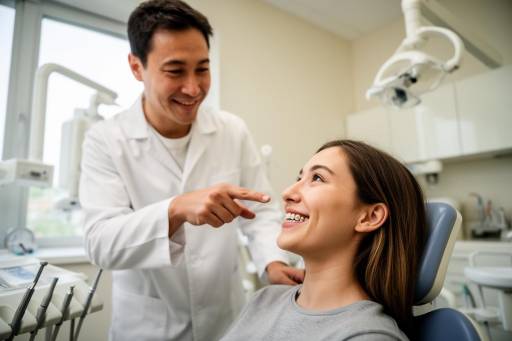
Another common myth is that orthodontic care is only for children or teenagers. In reality, people of all ages can benefit from treatment. Adults may seek orthodontics to correct longstanding bite problems, prevent further dental wear, or alleviate jaw pain caused by misalignment. Advances in orthodontic technology, including less visible options like clear aligners and lingual braces, have made treatment more accessible and appealing to adult patients.
Some also believe that orthodontic treatment is painful or overly time-consuming. While some discomfort is normal during adjustments, modern techniques and materials have significantly improved patient comfort. Treatment duration varies depending on the complexity of the case, but orthodontists work to create efficient plans tailored to individual needs.
Understanding these misconceptions helps clarify why orthodontic treatment is recommended by dental professionals not just for cosmetic reasons but to promote oral health, proper function, and long-term dental stability. Educating patients about the true benefits and realistic expectations of orthodontics can empower them to make informed decisions about their care.
Who Can Benefit from Orthodontic Treatment?
Orthodontic treatment is beneficial for a wide range of individuals, spanning from young children to adults, each with unique considerations and treatment goals. Children often receive early orthodontic treatment to guide jaw growth and development, which can prevent more severe dental and skeletal issues later on. Early intervention can simplify or even eliminate the need for more extensive treatment during adolescence or adulthood.
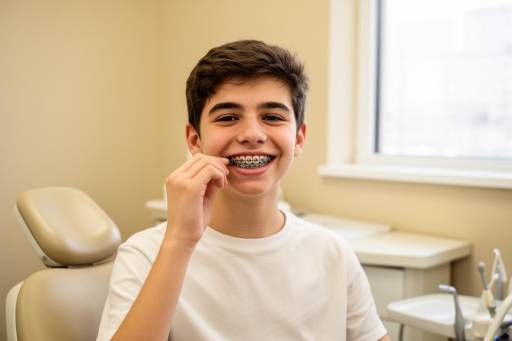
Teenagers are commonly treated to correct bite and alignment issues as their permanent teeth come in. This is often considered the ideal time for orthodontic treatment because the jaws are still growing, allowing for easier correction of misalignments. Treatment during these years can improve oral function, appearance, and self-confidence.
Adults can also benefit significantly from orthodontic treatment, whether to fix untreated malocclusion from childhood or to address changes due to aging, tooth loss, or shifting teeth. Orthodontics can improve function and comfort at any stage of life, helping to reduce wear on teeth, alleviate jaw pain, and enhance oral hygiene. Conditions such as crooked teeth, overcrowding, gaps, or jaw misalignment are all treatable regardless of age.
Preventive orthodontics aims to intercept problems before they worsen, which can make treatment simpler, shorter, and more effective. Early detection and management of orthodontic issues can offer lifelong benefits for oral health, function, and aesthetics. Ultimately, orthodontic treatment is a valuable option for anyone seeking to improve their dental health and quality of life, with customized approaches tailored to individual needs and circumstances.
Choosing the Right Orthodontic Treatment for Your Needs
There are several orthodontic treatment options to consider, each suited to different needs, preferences, and specific dental conditions. Traditional metal braces remain highly effective for a wide range of alignment issues and are often recommended for more complex cases where precise control over tooth movement is necessary. These braces are durable and can address severe malocclusions, but they are more visible and may require more frequent adjustments and careful oral hygiene to prevent plaque buildup.
Clear aligners offer a discreet alternative and have gained popularity among adults and teens who prefer less noticeable treatment options. These removable trays allow for easier cleaning and eating but require patient discipline to wear them for the recommended 20-22 hours per day. Clear aligners are best suited for mild to moderate orthodontic problems and may not be appropriate for all cases.
Lingual braces, which are placed behind the teeth, provide another less visible option. They can be customized to fit the shape of your teeth, making them virtually invisible from the front. However, lingual braces may cause more initial discomfort, affect speech temporarily, and require a longer adjustment period compared to traditional braces.
Your orthodontist will evaluate your oral health, bite problems, lifestyle, and aesthetic preferences before recommending the most suitable treatment approach. Factors such as the severity of misalignment, your age, daily habits, and budget will influence this decision. Selecting the right treatment ensures that you achieve not only the functional and health benefits of orthodontics but also a solution that fits your personal comfort and lifestyle needs, making the treatment process smoother and more successful.
Find the Right Orthodontic Treatment for Your Smile
Answer a few short questions and HealthNode will help you connect with the right orthodontist for braces, clear aligners, or bite correction.
Treatment Preferences
This helps us understand which orthodontic option may fit your lifestyle and expectations.
Dental and Bite Details
A few details help the orthodontist understand whether you may need simple alignment, bite correction, or a more detailed treatment plan.
Contact information
Your information is only used to contact you and is never shared with third parties.
Your request has been received!
Thank you. If you have recent dental photos, dental X-rays, panoramic X-ray, cephalometric X-ray, intraoral scan, previous braces or aligner records, retainer records, or orthodontic treatment plans, please keep them ready. A HealthNode consultant will guide you through the next step.
Frequently Asked Questions
Q: Is orthodontic treatment necessary for oral health?
A: Orthodontic treatment is often necessary to correct bite problems and jaw alignment that can negatively impact oral health. Properly aligned teeth are easier to clean and less prone to decay and gum disease. Treatment helps prevent future dental complications and supports overall oral function.
Q: Can adults benefit from orthodontic treatment?
A: Yes, adults can benefit greatly from orthodontic treatment. Many adults seek care to fix long-standing issues or to improve function and comfort. Modern orthodontic options like clear aligners make treatment more accessible and discreet for adults.
Q: Does orthodontic treatment improve speech?
A: Orthodontic treatment can improve speech by correcting misaligned teeth and jaws that affect how sounds are formed. Proper alignment often results in clearer pronunciation and reduced speech impediments. This functional improvement is an important benefit beyond aesthetics.
Q: Are orthodontic treatments painful?
A: Orthodontic treatments may cause some discomfort, especially after adjustments, but pain is generally manageable with over-the-counter pain relievers. Most patients adapt quickly to braces or aligners. Your orthodontist will guide you on how to minimize discomfort during your treatment.
Q: How long does orthodontic treatment typically take?
A: Treatment duration varies based on the complexity of the case but generally ranges from 12 to 24 months. Some mild cases may take less time, while more complex issues require longer treatment. Your orthodontist will provide an estimated timeline tailored to your needs.
The information provided is for educational purposes only and does not constitute medical advice. Always consult with a healthcare professional for medical guidance specific to your situation.