Quick Answer
The main goals of orthodontic treatment are to improve dental function, correct bite problems, enhance facial aesthetics, and promote overall oral health for lasting benefits.
- Orthodontic treatment corrects misaligned teeth and jaws to improve chewing, speaking, and bite efficiency.
- Properly aligned teeth reduce strain on jaw muscles and help prevent TMJ disorders.
- Orthodontics enhances oral aesthetics, boosting self-confidence and social comfort.
- Straight teeth are easier to clean, lowering the risk of cavities and gum disease.
- Treatment can address jaw irregularities that affect facial symmetry and airway function.
- Various orthodontic options exist, including braces and clear aligners, tailored to individual needs.
- Long-term success requires retainer use and good oral hygiene to maintain results.
What Are the Main Goals of Orthodontic Treatment?
Orthodontic treatment aims to improve dental function, correct bite problems, enhance facial aesthetics, and promote overall oral health. While many people associate orthodontics primarily with straightening teeth for cosmetic reasons, its role extends far beyond creating a better smile. Orthodontic care helps your teeth work properly together, which is essential for chewing, speaking, and maintaining long-term oral health. Achieving these goals contributes to lasting oral well-being and improved self-confidence.
Orthodontic treatment is recommended for a variety of reasons, including correcting misaligned teeth, malocclusion (commonly known as a bad bite), and jaw irregularities. These issues can interfere with normal chewing and speech functions and may increase the risk of tooth decay, gum disease, and jaw discomfort if left untreated. Understanding the purpose and benefits of orthodontic care helps you appreciate the comprehensive advantages it offers beyond cosmetic improvements.
Whether you are considering traditional braces or clear aligners, having a clear understanding of what orthodontic treatment aims to accomplish empowers you to make informed decisions about your dental health journey. This knowledge also helps set realistic expectations for the treatment process, including its duration, possible challenges, and expected outcomes. Being well-informed enables you to actively participate in your care and supports a more positive treatment experience overall.
Find the Right Orthodontic Treatment for Your Smile
Answer a few short questions and HealthNode will help you connect with the right orthodontist for braces, clear aligners, or bite correction.
Treatment Preferences
This helps us understand which orthodontic option may fit your lifestyle and expectations.
Dental and Bite Details
A few details help the orthodontist understand whether you may need simple alignment, bite correction, or a more detailed treatment plan.
Contact information
Your information is only used to contact you and is never shared with third parties.
Your request has been received!
Thank you. If you have recent dental photos, dental X-rays, panoramic X-ray, cephalometric X-ray, intraoral scan, previous braces or aligner records, retainer records, or orthodontic treatment plans, please keep them ready. A HealthNode consultant will guide you through the next step.
Key Goals and Benefits of Orthodontic Treatment
Orthodontic treatment primarily aims to correct misaligned teeth and jaws to enhance both dental function and appearance. When your teeth are properly aligned, your bite becomes more efficient, enabling you to chew food thoroughly and speak clearly. This improved alignment also reduces unnecessary strain on your jaw muscles and joints, which can help prevent discomfort, muscle fatigue, or temporomandibular joint (TMJ) disorders that sometimes arise from poor bite relationships.
Beyond functional improvements, orthodontics plays a significant role in enhancing oral aesthetics by creating a more balanced and attractive smile. This can have a positive impact on your self-esteem and social confidence, as a well-aligned smile is often associated with health and vitality. However, the benefits of orthodontic treatment extend beyond appearance; properly aligned teeth are easier to clean and maintain, which lowers the risk of cavities, gum disease, and other oral health problems.
Orthodontic treatment can also address jaw irregularities that affect facial symmetry and overall oral health. By correcting these issues, treatment supports better long-term dental stability and can improve airway function in some cases.
Overall, the goals of orthodontic treatment are multifaceted, blending the improvement of dental health with the enhancement of your smile’s appearance. These objectives work together to support your long-term oral well-being, functional comfort, and quality of life, making orthodontic care a valuable investment in your overall health.
How Orthodontics Enhances Function and Oral Health
Orthodontic treatment plays a vital role in correcting bite issues such as overbite, underbite, crossbite, and open bite, all of which can impair essential functions like chewing and speaking. When your bite is properly aligned, the forces generated during chewing are distributed evenly across your teeth, reducing abnormal wear and tear that can lead to premature tooth damage. This balanced bite also helps alleviate jaw pain, muscle tension, and headaches that may be associated with poor bite function or temporomandibular joint (TMJ) disorders.
Correcting misalignment through orthodontics improves oral hygiene by making teeth easier to brush and floss effectively. Crowded or crooked teeth create tight spaces where plaque and food debris can accumulate, increasing the risk of tooth decay and gum inflammation. By straightening teeth, orthodontic treatment supports preventive dental care and reduces the likelihood of costly and invasive dental problems later in life.
In some cases, orthodontic treatment can also positively impact airway function by addressing jaw positioning and alignment. For example, properly positioned jaws may help improve breathing patterns and reduce issues such as snoring or mild obstructive sleep apnea, although this depends on individual circumstances.
Overall, orthodontics plays a crucial role in restoring and maintaining your mouth’s functional health for years to come. By improving bite alignment, facilitating oral hygiene, and potentially enhancing airway function, orthodontic treatment contributes significantly to your overall oral and systemic well-being.
Aesthetic Improvements Through Orthodontics
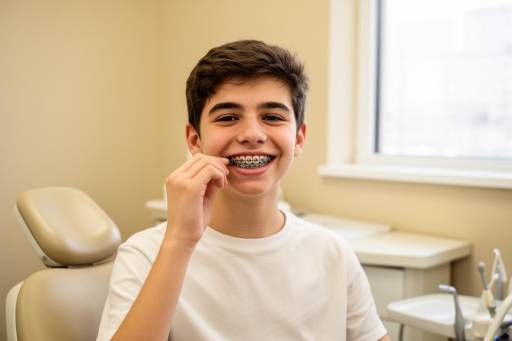
One of the most noticeable and motivating benefits of orthodontic treatment is the improvement in your smile’s appearance. Achieving straighter teeth can significantly enhance the harmony and balance of your facial features, contributing not only to a more attractive smile but also to improved overall facial aesthetics. This transformation often leads to increased self-confidence and a more positive self-image, which can influence how you interact socially and professionally.
Orthodontic care addresses common cosmetic concerns such as gaps between teeth, crowding, uneven spacing, and misaligned bites. These issues can cause individuals to feel self-conscious or hesitant to smile openly. By correcting these imperfections, orthodontics helps create a smile that complements your unique facial structure and boosts your comfort in social situations.
The aesthetic improvements gained through orthodontic treatment often have a profound emotional impact. Many patients report feeling more confident, happier, and more willing to engage in social activities after treatment. This boost in self-esteem can improve mental well-being and overall quality of life, highlighting the importance of orthodontics beyond just physical changes.
While the cosmetic benefits are significant, it is important to remember that orthodontic treatment also supports functional and health-related goals. A beautiful smile that functions well contributes to long-term oral health and personal satisfaction, making aesthetic improvements an integral part of comprehensive orthodontic care.
Types of Orthodontic Treatments and Their Goals
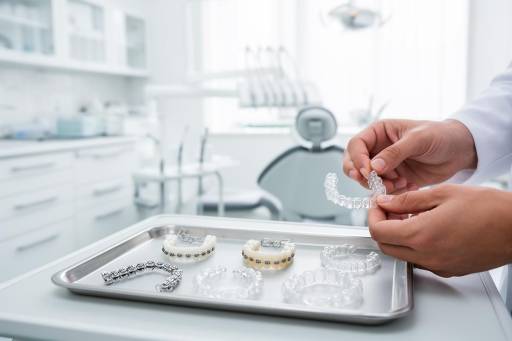
There are several types of orthodontic treatments available, each designed to address different dental conditions, patient preferences, and lifestyle needs. Traditional metal braces are the most common and time-tested option, particularly effective for complex cases involving significant tooth movement or bite correction. These braces use brackets bonded to the teeth and connected by wires that are periodically adjusted to gradually shift teeth into proper alignment.
Clear aligners have become a popular alternative, especially among adults and teens who desire a more discreet treatment option. These removable, transparent trays gently move teeth over time and offer the advantage of easier oral hygiene maintenance since they can be taken out for eating and cleaning. However, clear aligners may not be suitable for all types of orthodontic issues, particularly more severe or complex cases.
Other options include ceramic braces, which function like traditional metal braces but use tooth-colored or clear brackets to blend in with your teeth for a less noticeable appearance. Lingual braces are placed behind the teeth, making them virtually invisible from the front, but they may require a longer adjustment period and specialized orthodontic expertise. Self-ligating braces use a specialized clip instead of elastic bands to hold the wire, potentially reducing treatment time and discomfort.
Choosing the right orthodontic treatment depends on factors such as the severity of your dental condition, your aesthetic preferences, lifestyle considerations, and budget. A thorough consultation with an orthodontist will help determine the most appropriate approach tailored to your individual needs and goals, ensuring you receive effective and comfortable care.
Long-term Benefits and Maintenance of Orthodontic Results
Maintaining the results of your orthodontic treatment is essential to preserve the improvements in both function and aesthetics that you have achieved. Once the active phase of treatment concludes, retainers are typically prescribed to hold your teeth in their new, corrected positions. This retention phase is crucial because the bone and gum tissues surrounding your teeth require time to stabilize and remodel around the adjusted tooth alignment. Without consistent retainer use, teeth may gradually shift back toward their original positions, potentially undoing the progress made during treatment.
In addition to wearing retainers as directed, maintaining excellent oral hygiene remains vital to protect your investment in a healthy smile. Proper brushing, flossing, and regular dental check-ups help prevent cavities, gum disease, and other oral health issues that could compromise your orthodontic results. Neglecting these aspects may lead to inflammation or decay, which can affect tooth stability and appearance.
The long-term benefits of orthodontic treatment extend beyond aesthetics. Straighter teeth are easier to clean, reducing plaque buildup and the risk of dental problems such as tooth decay and periodontal disease. Improved bite function can alleviate excessive wear on your teeth and reduce strain on your jaw joints and muscles, contributing to overall oral comfort. Moreover, many patients experience sustained self-confidence and psychological benefits from having a well-aligned, attractive smile.
Commitment to follow-up care, including routine dental visits and adherence to retainer wear, ensures that your smile remains both healthy and attractive for many years to come. Understanding that orthodontic treatment is a lifelong journey rather than a one-time event helps set realistic expectations and encourages ongoing care to maintain your results.
Choosing the Right Orthodontist for Your Goals
Selecting the right orthodontist is a critical step toward achieving your desired treatment outcomes safely and effectively. It is important to seek out board-certified orthodontic specialists who have undergone extensive training beyond dental school, focusing specifically on diagnosing and treating misaligned teeth and jaws. Experience with the particular type of treatment you require, whether traditional braces, clear aligners, or other orthodontic appliances, is also an important consideration.
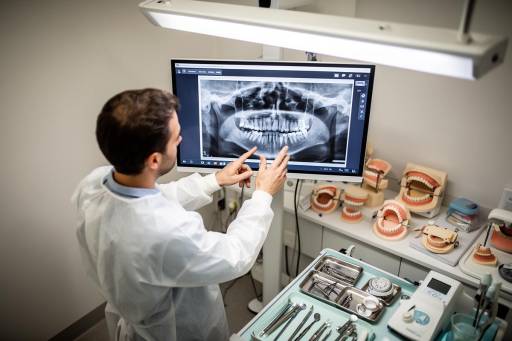
A skilled orthodontist will perform a comprehensive evaluation of your dental and facial structures, including X-rays, photographs, and impressions or digital scans, to develop a personalized treatment plan tailored to your unique needs. This individualized approach helps ensure that your treatment addresses both functional and aesthetic concerns.
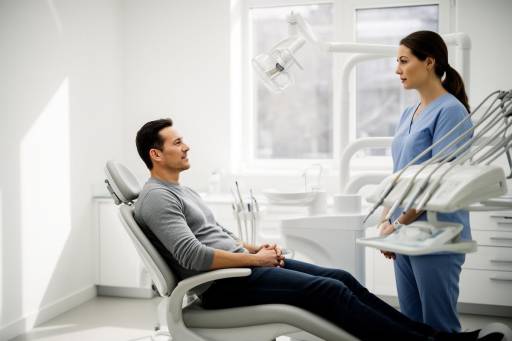
Equally important is establishing good communication and trust with your orthodontist. Feeling comfortable discussing your expectations, concerns, and lifestyle preferences allows your provider to tailor the treatment approach accordingly and helps you stay engaged throughout the process. A positive patient-doctor relationship contributes to better adherence to treatment protocols and follow-up care, which are essential for successful results.
Before beginning treatment, it is advisable to have an open conversation about what you hope to achieve, any fears or questions you may have, and the potential duration and costs involved. This transparency helps set realistic expectations and empowers you to make informed decisions. Ultimately, choosing the right orthodontist is a foundational step that supports a smoother treatment experience and enhances the likelihood of lasting, satisfying outcomes.
Find the Right Orthodontic Treatment for Your Smile
Answer a few short questions and HealthNode will help you connect with the right orthodontist for braces, clear aligners, or bite correction.
Treatment Preferences
This helps us understand which orthodontic option may fit your lifestyle and expectations.
Dental and Bite Details
A few details help the orthodontist understand whether you may need simple alignment, bite correction, or a more detailed treatment plan.
Contact information
Your information is only used to contact you and is never shared with third parties.
Your request has been received!
Thank you. If you have recent dental photos, dental X-rays, panoramic X-ray, cephalometric X-ray, intraoral scan, previous braces or aligner records, retainer records, or orthodontic treatment plans, please keep them ready. A HealthNode consultant will guide you through the next step.
Frequently Asked Questions
Q: What are the main goals of orthodontic treatment?
A: The main goals are to improve dental function, correct bite issues, enhance facial aesthetics, and promote overall oral health.
Q: How long does orthodontic treatment typically last?
A: Treatment duration varies but generally ranges from 12 to 36 months depending on individual needs.
Q: Are orthodontic treatments painful?
A: While some discomfort is common, most treatments are well-tolerated, and any pain usually subsides quickly.
Q: Can adults undergo orthodontic treatment?
A: Yes, orthodontic treatment is suitable for adults and can provide both functional and aesthetic benefits.
Q: What are the long-term benefits of orthodontic treatment?
A: Long-term benefits include improved oral health, better bite function, and enhanced self-confidence.
Q: How do I choose the right orthodontic treatment for me?
A: Consulting with a qualified orthodontist will help determine the best treatment options based on your specific goals and dental condition.
The information provided is for educational purposes only and does not constitute medical advice. Always consult with a healthcare professional for medical guidance specific to your situation.