Quick Answer
Orthodontic treatment can correct dental problems such as misaligned teeth, overcrowding, and bite issues including overbite, underbite, crossbite, and open bite. It improves both the function and appearance of teeth and jaws.
- Orthodontic treatment uses devices like braces and clear aligners to gradually move teeth into better positions. It addresses misaligned teeth, overcrowding, and various bite problems. Bite issues corrected include overbite, underbite, crossbite, and open bite. Proper alignment improves oral hygiene by making teeth easier to clean and reduces risks of cavities and gum disease. Orthodontics can alleviate jaw pain and prevent temporomandibular joint (TMJ) disorders. Different orthodontic options include metal braces, ceramic braces, lingual braces, clear aligners, palate expanders, and retainers. Early evaluation, especially by age 7 for children, helps prevent severe complications and improves treatment outcomes.
What Dental Problems Can Orthodontic Treatment Correct?
Orthodontic treatment is a highly effective approach to correcting a broad range of dental problems, including misaligned teeth, overcrowding, and bite issues such as overbite, underbite, and crossbite. These treatments utilize specialized devices like braces and clear aligners to gradually move teeth into better positions, thereby improving both the function of your bite and the appearance of your smile.
Many individuals seek orthodontic care not only to enhance their smile aesthetics but also to address functional concerns that can impact chewing, speech, and long-term oral health. Misaligned teeth and improper bites can lead to uneven tooth wear, jaw pain, and difficulties in maintaining proper oral hygiene. These challenges increase the risk of cavities, gum disease, and other dental complications if left untreated.
Understanding the specific dental problems that orthodontics can address is important for recognizing when a professional evaluation may be necessary. Orthodontic interventions are highly personalized, tailored to the unique needs of each patient, and can provide lasting improvements in dental alignment and overall oral wellness.
Find the Right Orthodontic Treatment for Your Smile
Answer a few short questions and HealthNode will help you connect with the right orthodontist for braces, clear aligners, or bite correction.
Treatment Preferences
This helps us understand which orthodontic option may fit your lifestyle and expectations.
Dental and Bite Details
A few details help the orthodontist understand whether you may need simple alignment, bite correction, or a more detailed treatment plan.
Contact information
Your information is only used to contact you and is never shared with third parties.
Your request has been received!
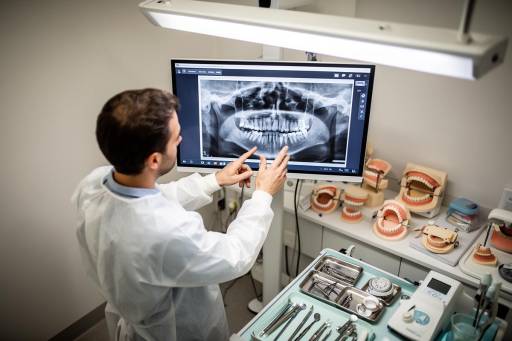
Thank you. If you have recent dental photos, dental X-rays, panoramic X-ray, cephalometric X-ray, intraoral scan, previous braces or aligner records, retainer records, or orthodontic treatment plans, please keep them ready. A HealthNode consultant will guide you through the next step.
By correcting alignment and bite issues, orthodontic treatment not only enhances the visual appeal of your teeth but also supports better oral function and health. This comprehensive approach contributes to improved comfort, easier maintenance, and a reduced likelihood of future dental problems, making orthodontics a valuable component of preventive and restorative dental care.
Common Dental Problems Treated with Orthodontics
Orthodontics targets several prevalent dental problems that impact both the appearance and function of your teeth, often affecting oral health and quality of life. One of the most common issues is misaligned teeth, where teeth may be crooked, rotated, or spaced irregularly. These conditions can arise from genetic factors, early loss of baby teeth, or habits such as thumb-sucking or prolonged pacifier use during childhood.
Overcrowding is another frequent concern, occurring when there is insufficient space in the jaw to accommodate all teeth properly. Crowded teeth can overlap or twist, making effective cleaning difficult and increasing the risk of plaque buildup, tooth decay, and gum disease. This condition may also contribute to bite problems and discomfort.
Bite problems, medically referred to as malocclusions, include various types such as overbite, where the upper teeth excessively overlap the lower teeth; underbite, where the lower teeth protrude past the upper teeth; crossbite, where some upper teeth sit inside the lower teeth; and open bite, where the front teeth do not touch when biting down. These malocclusions can interfere with chewing efficiency, speech clarity, and the health of the jaw joints.
Orthodontic treatment plans address these issues by applying controlled, gentle forces to teeth and jaws, encouraging proper alignment and improved bite function over time. Early diagnosis and treatment, especially in children, can prevent the development of more severe complications, reduce treatment complexity, and promote better oral health outcomes.
Understanding these common dental problems helps patients recognize when professional orthodontic evaluation is necessary, facilitating timely intervention and more effective management of dental health.
How Orthodontic Treatments Improve Oral Health and Aesthetics
Orthodontic care offers a wide range of benefits that extend far beyond cosmetic improvements, positively impacting both oral health and overall well-being. While straightening teeth enhances the appearance of your smile, which can significantly boost self-confidence and social interactions, the health advantages are often even more substantial and long-lasting.
Properly aligned teeth are easier to clean effectively, which reduces the risk of plaque accumulation, cavities, and gum disease. Misaligned or crowded teeth create tight spaces where food particles and bacteria can become trapped, making brushing and flossing challenging and less effective. By correcting these alignment issues, orthodontic treatment facilitates better oral hygiene practices and helps maintain healthier gums and teeth.
Correcting bite problems also plays a crucial role in distributing chewing forces evenly across the teeth. This balanced distribution reduces abnormal wear and tear on individual teeth and decreases strain on the jaw joints. As a result, orthodontics can alleviate or prevent temporomandibular joint (TMJ) disorders, which are often characterized by jaw pain, headaches, and difficulty opening or closing the mouth.
Improved jaw alignment and tooth positioning contribute to enhanced long-term dental function, reducing the likelihood of dental trauma, tooth fractures, or premature tooth loss. Orthodontic treatment can also help address speech difficulties and improve chewing efficiency, contributing to better nutrition and overall health.
These preventive and functional benefits make orthodontic treatment a valuable investment in your oral health, promoting not only a more attractive smile but also greater comfort, function, and durability of your teeth and jaws over a lifetime.
Different Types of Orthodontic Solutions for Various Dental Problems
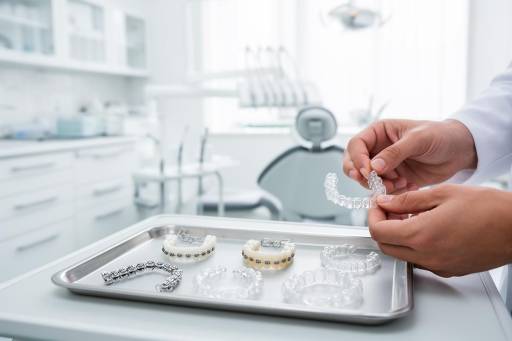
Several orthodontic options are available to address a variety of dental problems, each suited to specific needs, preferences, and treatment goals. Traditional metal braces remain one of the most widely used solutions for correcting severe misalignments and complex bite issues. These braces consist of metal brackets bonded to the teeth and connected by wires, which are periodically adjusted by the orthodontist to guide teeth into their desired positions with precision.
Ceramic braces function similarly to metal braces but use tooth-colored or clear brackets, offering a more aesthetically pleasing and less noticeable appearance. This option is popular among patients who want effective treatment without the conspicuous look of metal hardware.
Lingual braces are another alternative, attaching to the inner surfaces of the teeth, making them virtually invisible from the outside. However, they may require a longer adjustment period and can sometimes affect speech initially. They are typically recommended for patients who prioritize discretion but need comprehensive treatment.
Clear aligners, such as Invisalign, consist of removable, transparent trays that fit snugly over the teeth and gradually shift them into alignment. These are favored for mild to moderate orthodontic issues and for patients seeking a discreet and convenient treatment method. Aligners must be worn consistently, usually 20 to 22 hours per day, and are replaced every few weeks to continue progress.
Additional orthodontic devices include palate expanders, which are used to widen the upper jaw to address overcrowding or crossbites, particularly in growing children. Retainers are employed after active treatment to maintain the corrected tooth positions and prevent relapse.
Your orthodontist will evaluate the complexity of your dental problems, your lifestyle, and aesthetic preferences to recommend the best solution. This individualized approach ensures that the chosen treatment aligns with your goals and provides the most effective results.
Here is a concise comparison of common orthodontic devices:
| Device Type | Key Features | Typical Indications |
|---|---|---|
| Metal Braces | Durable, highly effective | Severe misalignments, complex bite issues |
| Ceramic Braces | Tooth-colored, less noticeable | Aesthetic preference, moderate to severe issues |
| Lingual Braces | Hidden behind teeth, invisible | Patients prioritizing discretion, comprehensive treatment |
| Clear Aligners | Removable, transparent trays | Mild to moderate issues, convenience, aesthetics |
| Palate Expanders | Widen upper jaw | Overcrowding, crossbites in growing children |
| Retainers | Maintain tooth position post-treatment | Post active orthodontic treatment |
Signs You Should Consult an Orthodontist for Your Dental Concerns
Recognizing when to seek an orthodontic consultation is crucial for ensuring timely and effective intervention that can prevent more serious dental complications down the line. If you notice crooked, crowded, or protruding teeth, it is advisable to seek a professional evaluation to assess the alignment and positioning of your teeth. Additionally, experiencing difficulty biting, chewing, or speaking clearly can be indicative of underlying bite problems that may require orthodontic treatment. These functional issues often affect daily activities and overall quality of life, so addressing them early can lead to better outcomes.
Jaw discomfort, frequent headaches, or clicking sounds when opening and closing your mouth may signal temporomandibular joint (TMJ) disorders related to malocclusion, which is an improper bite. These symptoms should not be ignored, as untreated TMJ problems can worsen over time and lead to chronic pain or limited jaw movement. Orthodontic evaluation can help identify whether bite correction might alleviate these issues.
For children, an orthodontic assessment by age 7 is recommended to detect early signs of developmental problems such as misaligned jaws or teeth that may not erupt properly. Early intervention can simplify treatment and improve long-term results. Adults are not exempt from orthodontic care; those experiencing shifting teeth, new gaps, or changes in their bite can also benefit from consultation. Adult orthodontics can address age-related dental changes and improve both function and aesthetics.
Regular dental check-ups often reveal orthodontic concerns, and your general dentist may recommend a referral to an orthodontic specialist if necessary. Prompt consultation allows for a personalized treatment plan tailored to your specific dental needs, which can prevent complications such as tooth decay, gum disease, or excessive wear. Understanding the signs that warrant orthodontic evaluation empowers patients to seek care proactively and maintain optimal oral health.
Choosing the Right Orthodontic Treatment for You: Factors to Consider
Selecting the right orthodontic treatment involves careful consideration of multiple factors that align with your unique dental needs, lifestyle, and personal preferences. The severity and complexity of your dental problems are primary considerations; more complex cases involving significant misalignment or bite issues often require traditional metal braces, which provide strong and precise control over tooth movement. Conversely, mild to moderate misalignments may be effectively managed with clear aligners, which offer a less conspicuous treatment option.
Your aesthetic preferences also play an important role in choosing a treatment. If you are concerned about the visibility of braces, options such as clear aligners or ceramic braces, which use tooth-colored brackets, offer more discreet alternatives compared to conventional metal braces. Lingual braces, which are attached to the back surfaces of teeth, provide another hidden option, though they may come with increased adjustment periods and potential speech difficulties initially.
Find the Right Orthodontic Treatment for Your Smile
Answer a few short questions and HealthNode will help you connect with the right orthodontist for braces, clear aligners, or bite correction.
Treatment Preferences
This helps us understand which orthodontic option may fit your lifestyle and expectations.
Dental and Bite Details
A few details help the orthodontist understand whether you may need simple alignment, bite correction, or a more detailed treatment plan.
Contact information
Your information is only used to contact you and is never shared with third parties.
Your request has been received!
Thank you. If you have recent dental photos, dental X-rays, panoramic X-ray, cephalometric X-ray, intraoral scan, previous braces or aligner records, retainer records, or orthodontic treatment plans, please keep them ready. A HealthNode consultant will guide you through the next step.
Treatment duration and maintenance requirements vary between options. Traditional braces typically require regular office visits for wire adjustments and monitoring, while clear aligners demand patient discipline to wear them for 20 to 22 hours daily and to switch trays as directed. Compliance with treatment protocols is essential for achieving desired outcomes regardless of the method chosen.
Budget considerations are also important, as orthodontic treatments differ in cost and insurance coverage. Some treatments may require additional appliances or longer treatment times, influencing overall expenses. Discussing all these aspects thoroughly with your orthodontist will help you understand the benefits, limitations, and financial implications, enabling you to select a treatment plan that fits your personal needs and maximizes the chances of successful results.
Frequently Asked Questions
Q: What dental problems can orthodontic treatment correct?
A: Orthodontic treatment can correct misaligned teeth, overcrowding, and bite issues such as overbite, underbite, crossbite, and open bite. It helps improve both function and appearance of your teeth and jaws.
Q: How long does orthodontic treatment usually take?
A: Treatment duration varies depending on the severity of dental issues but typically ranges from 12 to 24 months. Some minor cases may be shorter, while complex problems might require longer periods.
Q: Are clear aligners as effective as braces?
A: Clear aligners are effective for mild to moderate dental problems and offer a discreet treatment option. However, traditional braces may be more suitable for severe misalignments or complex bite corrections.
Q: When should children see an orthodontist?
A: Children should have an orthodontic evaluation by age 7 to identify developmental issues early. Early assessment allows timely intervention for better outcomes.
Q: Can orthodontic treatment improve oral health?
A: Yes, by aligning teeth properly, orthodontic treatment makes cleaning easier, reduces risk of cavities and gum disease, and helps prevent abnormal tooth wear and jaw problems.
The information provided is for educational purposes only and does not constitute medical advice. Always consult with a healthcare professional for medical guidance specific to your situation.