Quick Answer
A successful orthodontic result features well-aligned teeth, a properly functioning bite, and patient satisfaction with the aesthetic and functional outcomes. Maintaining these results requires adherence to retention protocols and good oral hygiene.
- Proper alignment of teeth within the dental arches is a primary indicator of successful orthodontic treatment.
- A functional bite allows comfortable chewing, speaking, and prevents discomfort or abnormal wear.
- Patient satisfaction, including confidence and comfort with the smile and bite, is a crucial measure of success.
- Long-term maintenance involves consistent retainer use and good oral hygiene to prevent relapse.
- Regular follow-up visits with the orthodontist help monitor stability and address any issues early.
- Avoiding harmful habits like nail-biting and teeth grinding supports the longevity of orthodontic results.
- Open communication with your orthodontist ensures treatment goals align with patient expectations and supports ongoing care.
What Does a Successful Orthodontic Result Look Like?
A successful orthodontic result is characterized by several important factors: well-aligned teeth, a properly functioning bite, and an improved aesthetic appearance of your smile. These outcomes not only enhance your oral health but also contribute significantly to increased confidence, comfort, and quality of life in your daily activities. Achieving these goals requires personalized treatment plans, skilled orthodontic care, and ongoing maintenance.
Orthodontic treatment aims to correct misalignment and bite issues that can affect essential functions such as chewing, speaking, and overall dental health. While the physical changes to your teeth and jaws are often the most visible signs of success, the overall success of treatment also depends on your satisfaction with the results and your ability to maintain them over time. Understanding what defines success helps you set realistic expectations and recognize when your treatment has met its objectives.
Whether you are considering orthodontic treatment or are currently undergoing it, knowing the markers of a successful outcome empowers you to engage actively in your care. This knowledge encourages open communication with your orthodontist, adherence to recommended protocols, and proactive management of your oral health. This overview covers what to expect from effective treatment, how to identify signs of success, and strategies to preserve your results for the long term, helping you enjoy the full benefits of your orthodontic journey.
Find the Right Orthodontic Treatment for Your Smile
Answer a few short questions and HealthNode will help you connect with the right orthodontist for braces, clear aligners, or bite correction.
Treatment Preferences
This helps us understand which orthodontic option may fit your lifestyle and expectations.
Dental and Bite Details
A few details help the orthodontist understand whether you may need simple alignment, bite correction, or a more detailed treatment plan.
Contact information
Your information is only used to contact you and is never shared with third parties.
Your request has been received!
Thank you. If you have recent dental photos, dental X-rays, panoramic X-ray, cephalometric X-ray, intraoral scan, previous braces or aligner records, retainer records, or orthodontic treatment plans, please keep them ready. A HealthNode consultant will guide you through the next step.
Key Goals of Orthodontic Treatment for Health and Aesthetics
Orthodontic treatment is designed to achieve several key objectives that collectively improve both the function and appearance of your teeth and jaws. The primary goal is to achieve proper alignment of the teeth within the dental arches. Correct alignment helps distribute biting forces evenly across all teeth, reducing the risk of excessive wear, tooth damage, or gum problems. Straight teeth are also easier to clean effectively, which lowers the risk of cavities and periodontal disease.
Another crucial objective is correcting the bite, or occlusion, which refers to how the upper and lower teeth fit together when you close your mouth. Bite correction addresses issues such as overbite (where upper teeth excessively overlap lower teeth), underbite (lower teeth protrude beyond upper teeth), crossbite (upper teeth bite inside lower teeth), and open bite (front teeth do not touch when biting). If left untreated, these bite problems can lead to jaw pain, headaches, difficulty chewing, speech issues, and temporomandibular joint disorders.
Aesthetic improvement is often a motivating factor for patients seeking orthodontic treatment. Enhancing facial symmetry and the overall harmony of your smile can boost self-confidence and improve social interactions. Your orthodontist will tailor your treatment plan to balance functional corrections with cosmetic outcomes, taking into account your individual needs, oral health status, and personal goals.
Understanding these treatment goals helps set realistic expectations and guides the selection of appropriate orthodontic techniques and appliances. It also emphasizes the importance of comprehensive care that addresses both health and appearance for optimal long-term results.
Signs of a Successful Orthodontic Result
Several key indicators confirm that your orthodontic treatment has been effective and successful. One of the primary signs is that your teeth are properly aligned within your dental arches, fitting neatly without crowding, gaps, or rotations. This alignment not only contributes to a more attractive smile but also facilitates better oral hygiene by making brushing and flossing easier and more effective.
A functional bite is another critical marker of success. This means that your upper and lower teeth meet correctly when you close your mouth, allowing for comfortable chewing, speaking, and overall oral function. You should not experience discomfort, pain, or abnormal wear patterns on your teeth. Additionally, the temporomandibular joints (TMJ), which connect your jawbones, should function smoothly without pain, clicking, or limited movement.
Patient satisfaction is an equally important measure of success. Feeling confident and happy with your smile, as well as comfortable with your bite, reflects how well the treatment has met your personal goals and expectations. Stability of the results over time is crucial; your teeth should maintain their corrected positions with proper retention and care.
Regular follow-up appointments allow your orthodontist to assess these factors and address any concerns early. Consistent use of retainers and maintaining good oral habits, such as avoiding harmful behaviors and practicing excellent hygiene, support the longevity of your treatment’s success. Together, these signs indicate that your orthodontic journey has achieved its intended outcomes, enhancing both function and aesthetics.
The Role of Patient Satisfaction in Treatment Success
Patient satisfaction is a vital aspect of orthodontic treatment success that goes beyond clinical measurements and technical outcomes. How you perceive your treatment results significantly influences your overall well-being, self-esteem, and motivation to maintain the improvements achieved. Feeling proud and confident about your smile can positively impact your social interactions, professional life, and psychological health.
Your treatment outcome encompasses not only functional improvements, such as better bite and chewing ability, but also aesthetic changes that enhance the appearance of your smile. However, your personal goals, expectations, and values play a major role in shaping your satisfaction. Clear and open communication with your orthodontist before and throughout the treatment process helps align these goals realistically and ensures that you understand the potential benefits and limitations of your treatment.
Satisfaction also depends on the comfort and manageability of the treatment experience. Factors such as the ease of wearing appliances, the level of discomfort or pain, and how well the treatment fits into your lifestyle contribute to your overall perception. When patients feel involved, informed, and supported, they are more likely to adhere to important recommendations, such as wearing retainers consistently, which in turn helps maintain the results.
Ultimately, a successful orthodontic result balances objective clinical outcomes with your subjective experience of improvement, confidence, and quality of life. Recognizing this balance encourages a more holistic approach to treatment planning and follow-up care, emphasizing both technical excellence and patient-centered care.
How to Maintain Your Orthodontic Results Long-Term
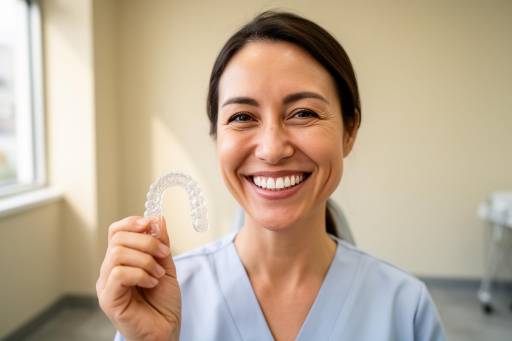
Achieving long-term success after orthodontic treatment depends heavily on the retention phase and diligent post-treatment care. Retainers, which are custom-made devices designed to hold your teeth in their new positions, play a critical role in preventing relapse while the surrounding bone and soft tissues stabilize. Wearing your retainers exactly as instructed by your orthodontist, whether full-time initially or part-time later, is essential to preserve the alignment you have worked hard to achieve.
Maintaining good oral hygiene is equally important. Regular brushing and flossing help keep your teeth and gums healthy, which supports the stability of your orthodontic results. Poor oral hygiene can lead to gum disease or tooth decay, potentially undermining the benefits of your treatment. Additionally, avoiding harmful habits such as nail-biting, chewing on hard objects like pens or ice, and grinding your teeth can protect your teeth from shifting or damage.
Routine dental check-ups allow your dentist or orthodontist to monitor your bite and alignment over time. If you notice any changes, discomfort, or difficulty with your retainers, seeking early consultation can help address these issues before they worsen. Your orthodontist may recommend adjustments to your retainers or other interventions if necessary.
Consistency and attention to your orthodontic appliances, combined with healthy lifestyle habits, foster lasting improvements and help preserve the investment you have made in your smile. Remember that retention is a lifelong commitment for many patients, and maintaining open communication with your orthodontic provider ensures the best possible long-term outcomes.
Consulting Your Orthodontist: When to Seek Follow-Up Care
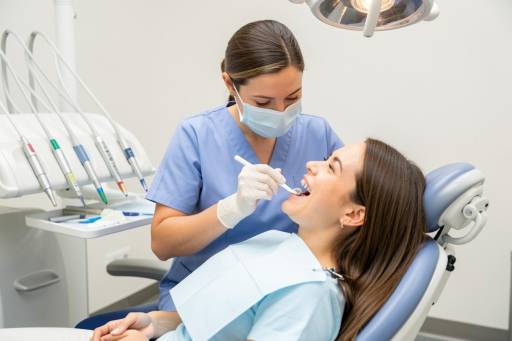
Follow-up care is an essential component of achieving and maintaining orthodontic success. After your braces or aligners are removed, it is important to stay in regular contact with your orthodontist to ensure that your teeth and bite remain stable over time. These follow-up visits allow your orthodontist to monitor your progress and detect any minor shifts or emerging issues early, before they become more significant problems.
You should promptly seek consultation if you experience any discomfort, noticeable movement of teeth, or difficulties with your retainer, such as poor fit or damage. These symptoms may indicate that adjustments or additional treatment are necessary to maintain the alignment and function of your teeth. Ignoring these signs can lead to relapse or other complications that may require more extensive intervention.
Your orthodontist will tailor the timing and frequency of follow-up visits based on your individual treatment plan, oral health status, and any risk factors you may have, such as a history of relapse or certain bite issues. Open and honest communication about any concerns or changes you notice is crucial to optimizing your long-term orthodontic health. This proactive approach helps ensure that your smile remains both functional and aesthetically pleasing well beyond the active phase of treatment.
In addition to professional assessments, your orthodontist may provide guidance on how to care for your retainers and maintain good oral hygiene habits. Following these recommendations supports the durability of your results and helps you enjoy the benefits of your orthodontic treatment for many years.
Frequently Asked Questions
Q: How do I know if my orthodontic treatment was successful?
Find the Right Orthodontic Treatment for Your Smile
Answer a few short questions and HealthNode will help you connect with the right orthodontist for braces, clear aligners, or bite correction.
Treatment Preferences
This helps us understand which orthodontic option may fit your lifestyle and expectations.
Dental and Bite Details
A few details help the orthodontist understand whether you may need simple alignment, bite correction, or a more detailed treatment plan.
Contact information
Your information is only used to contact you and is never shared with third parties.
Your request has been received!
Thank you. If you have recent dental photos, dental X-rays, panoramic X-ray, cephalometric X-ray, intraoral scan, previous braces or aligner records, retainer records, or orthodontic treatment plans, please keep them ready. A HealthNode consultant will guide you through the next step.
A: A successful result typically includes properly aligned teeth, a functional bite, and increased confidence in your smile. Regular check-ups with your orthodontist can help assess these factors.
Q: What are common signs that my orthodontic results are not satisfactory?
A: Persistent misalignment, discomfort, or a bite that doesn’t feel right may indicate issues. Consult your orthodontist for an evaluation.
Q: How long do orthodontic results last?
A: With proper retention and care, the results can last a lifetime, though some minor shifts may occur over time.
Q: Can orthodontic results be improved after treatment?
A: Yes, additional procedures like refinements or retainers can enhance or maintain your results.
Q: What should I do if I’m unhappy with my orthodontic outcome?
A: Discuss your concerns with your orthodontist to explore possible solutions or adjustments.
Q: Are there certain habits that can jeopardize my orthodontic results?
A: Yes, habits like teeth grinding, nail-biting, or not wearing retainers can affect the longevity of your results.
The information provided is for educational purposes only and does not constitute medical advice. Always consult with a healthcare professional for medical guidance specific to your situation.