Quick Answer
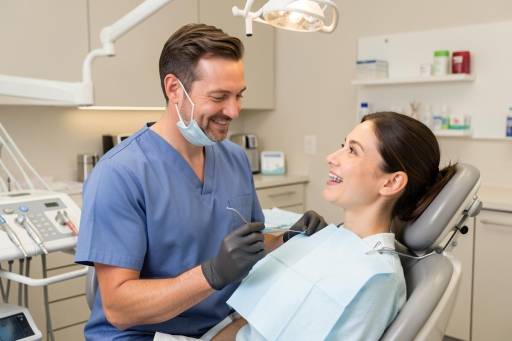
During an orthodontic consultation, the orthodontist performs a comprehensive assessment of your teeth, jaws, and bite, including diagnostic imaging and a review of your dental history, to diagnose any alignment issues and discuss personalized treatment options.
- An orthodontic consultation involves a detailed evaluation of dental alignment, bite function, and overall oral health.
- The orthodontist examines teeth, gums, jaw alignment, and facial symmetry to identify issues such as crowding, spacing, or bite irregularities.
- Diagnostic tools like x-rays, photographs, and dental impressions are used to detect underlying problems not visible during a visual exam.
- The consultation includes a discussion of treatment goals, options, timelines, benefits, and potential limitations tailored to the patient's needs.
- Patients are encouraged to share their concerns and medical history to help customize the treatment plan.
- Not every consultation results in immediate treatment; some cases may require monitoring or no intervention.
- The consultation is an opportunity to ask questions and understand the orthodontic process, helping patients make informed decisions.
What Happens During an Orthodontic Consultation?
An orthodontic consultation is the essential first step in evaluating your teeth alignment and bite. During this visit, you will undergo a comprehensive initial assessment where the orthodontist examines your dental health, identifies alignment issues, and discusses your treatment goals. This consultation helps establish a clear diagnosis and forms the foundation for planning any necessary orthodontic treatment. It is important to understand that this visit is not just a routine check-up but a detailed evaluation that can reveal underlying problems that may affect your oral health and overall well-being.
Understanding what happens during this consultation can help you feel more confident and prepared. The orthodontist not only assesses teeth and jaws but also listens carefully to your concerns and expectations. This collaborative approach ensures that any treatment plan is tailored to your specific needs and oral health conditions, taking into account factors such as your age, lifestyle, and any previous dental work. The consultation also allows the orthodontist to evaluate your facial structure and bite function, which are critical in designing an effective treatment plan.
This visit is also an opportunity to ask questions about the process, duration, and options available. You can learn about different types of orthodontic treatments, such as traditional braces, clear aligners, or other appliances, and understand their benefits and limitations. Knowing what to expect makes the orthodontic journey smoother and helps you make informed decisions about your dental care. Additionally, the orthodontist may discuss potential risks, maintenance requirements, and the importance of follow-up visits to ensure successful treatment outcomes. Overall, the consultation sets the stage for a transparent and supportive relationship between you and your orthodontic provider.
Find the Right Orthodontic Treatment for Your Smile
Answer a few short questions and HealthNode will help you connect with the right orthodontist for braces, clear aligners, or bite correction.
Treatment Preferences
This helps us understand which orthodontic option may fit your lifestyle and expectations.
Dental and Bite Details
A few details help the orthodontist understand whether you may need simple alignment, bite correction, or a more detailed treatment plan.
Contact information
Your information is only used to contact you and is never shared with third parties.
Your request has been received!
Thank you. If you have recent dental photos, dental X-rays, panoramic X-ray, cephalometric X-ray, intraoral scan, previous braces or aligner records, retainer records, or orthodontic treatment plans, please keep them ready. A HealthNode consultant will guide you through the next step.
Key Goals of an Orthodontic Consultation
An orthodontic consultation serves to assess your current dental alignment and overall oral health comprehensively. The primary goal is to determine if orthodontic treatment is needed and, if so, to identify the best approach for correcting any issues. This initial assessment includes evaluating how your teeth fit together and checking for bite problems such as overbite, underbite, crossbite, crowding, spacing, or jaw irregularities that could affect function and aesthetics.
The orthodontist will perform a thorough examination, which may involve visual inspection, x-rays, photographs, and dental impressions. These diagnostic tools help reveal underlying issues that aren't visible to the naked eye, such as impacted teeth, root positions, or bone structure abnormalities. This comprehensive evaluation allows the orthodontist to make an accurate diagnosis, ensuring the treatment plan is both effective and safe for your specific condition.
This consultation also sets expectations by discussing possible treatment options, timelines, and outcomes. It is a two-way conversation aimed at understanding your concerns, lifestyle factors, and what you hope to achieve through orthodontic care. The orthodontist will explain the benefits and potential limitations of different treatments, including how they may impact your daily life, oral hygiene routines, and long-term dental health. Ultimately, this step is crucial for personalized and successful dental correction, helping you make informed decisions and feel comfortable with the proposed plan.
What to Expect During Your Orthodontic Exam
During your orthodontic exam, the specialist will begin by reviewing your dental and medical history to understand any prior treatments, existing conditions, or factors that could influence your orthodontic care. This background information helps tailor the examination to your unique situation and may reveal considerations such as allergies, medications, or previous surgeries.
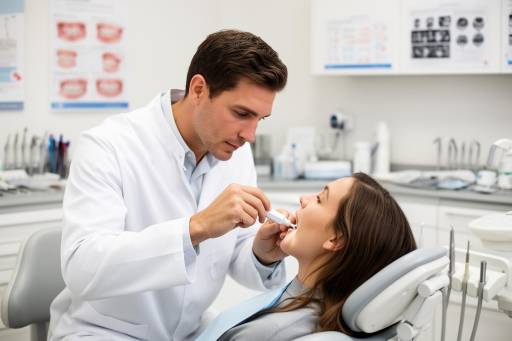
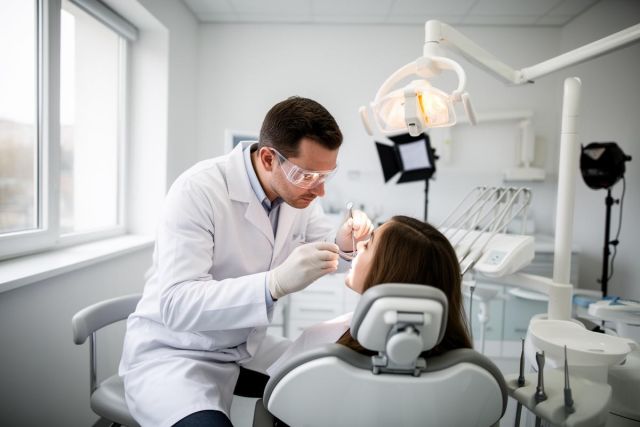
Next, the orthodontist will conduct a detailed inspection of your teeth, gums, and jaw alignment. This includes checking for tooth crowding, spacing, bite irregularities, and gum health. The specialist will also assess the position and movement of your jaws and evaluate your facial symmetry to understand how orthodontic treatment might improve both function and aesthetics.
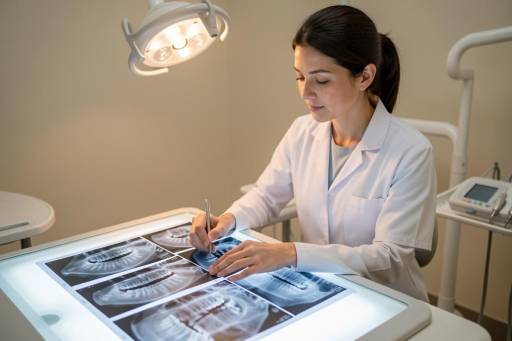
Diagnostic imaging such as panoramic x-rays or bite impressions may be taken to provide a comprehensive view of your oral structures. These images help detect problems like impacted teeth, jaw discrepancies, or bone density issues that influence treatment decisions. In some cases, 3D imaging or cephalometric x-rays may be used for more detailed analysis.
You will also be asked about any discomfort, chewing difficulties, speech issues, or other symptoms you might be experiencing. This information helps the orthodontist understand how your bite and teeth alignment affect your daily life and whether there are functional concerns that need addressing.
After the exam, the orthodontist will explain the findings in detail and outline potential treatment options. This discussion will cover the expected duration, benefits, possible risks, and maintenance involved with each option. The goal is to provide you with a clear picture of your dental health and the next steps, allowing you to make informed decisions and feel confident moving forward with your orthodontic care.
How Diagnosis Shapes Your Orthodontic Treatment Plan
The diagnosis made during the orthodontic consultation guides the entire treatment process. Based on the examination and diagnostic tests, the orthodontist identifies specific issues such as misaligned teeth, malocclusions (improper bites), or jaw growth problems. This precise diagnosis is critical for creating an effective treatment plan tailored to your individual needs and oral health status. The orthodontist may use various diagnostic tools, including x-rays, photographs, and dental impressions, to gather detailed information about your teeth and jaw structure.
Treatment options can vary widely, from traditional braces and clear aligners to more complex interventions for jaw alignment or skeletal discrepancies. The orthodontist will discuss the advantages and limitations of each option, considering factors like your age, oral health status, lifestyle, and personal preferences. For example, some treatments may be more suitable for younger patients whose jaws are still growing, while others are designed for adults seeking less visible options. This ensures you receive a plan that balances effectiveness with your lifestyle and comfort.
This stage also involves setting realistic expectations about treatment duration, maintenance, and outcomes. Orthodontic treatment can take several months to a few years depending on the complexity of your case, and it often requires diligent oral hygiene and regular adjustments. By understanding your diagnosis fully, you are empowered to participate actively in your care decisions and prepare for the commitment involved. A well-informed patient and a clear treatment strategy are key components of successful orthodontic outcomes, helping to minimize surprises and improve satisfaction with the results.
Frequently Asked Questions
Q: What should I bring to my orthodontic consultation?
A: Bring any previous dental records, x-rays, and a list of questions or concerns you have. If you have dental insurance, bring your card as well. This helps the orthodontist understand your history and address your needs comprehensively.
Q: How long does an orthodontic consultation usually take?
Find the Right Orthodontic Treatment for Your Smile
Answer a few short questions and HealthNode will help you connect with the right orthodontist for braces, clear aligners, or bite correction.
Treatment Preferences
This helps us understand which orthodontic option may fit your lifestyle and expectations.
Dental and Bite Details
A few details help the orthodontist understand whether you may need simple alignment, bite correction, or a more detailed treatment plan.
Contact information
Your information is only used to contact you and is never shared with third parties.
Your request has been received!
Thank you. If you have recent dental photos, dental X-rays, panoramic X-ray, cephalometric X-ray, intraoral scan, previous braces or aligner records, retainer records, or orthodontic treatment plans, please keep them ready. A HealthNode consultant will guide you through the next step.
A: Most consultations last between 30 to 60 minutes. This allows enough time for the orthodontist to conduct a thorough exam, take any necessary images, and discuss treatment options with you.
Q: Will I need x-rays during the consultation?
A: Yes, x-rays are commonly taken to provide a detailed view of your teeth and jaw structure. They help detect issues not visible during the visual exam and are important for accurate diagnosis and treatment planning.
Q: Does every orthodontic consultation lead to treatment?
A: Not necessarily. Some consultations may conclude that no treatment is needed or that monitoring over time is best. The consultation provides information so you can make an informed decision about your dental care.
Q: Can children have orthodontic consultations?
A: Absolutely. Early consultations for children can identify developing issues and allow for timely intervention. Orthodontists often recommend initial visits around age seven to evaluate growth and alignment.
The information provided is for educational purposes only and does not constitute medical advice. Always consult with a healthcare professional for medical guidance specific to your situation.