Table of Contents
What Are Metal Framework Partial Dentures?
Metal framework partial dentures are removable dental prosthetics designed to replace one or more missing teeth using a durable metal base for support. They provide a stable, strong, and long-lasting solution that helps restore your ability to chew, speak, and maintain facial structure. These dentures are custom-made to fit your mouth precisely and attach securely to your natural teeth with metal clasps or precision attachments.
Partial dentures serve an important role in dental restoration by filling gaps left by missing teeth, preventing adjacent teeth from shifting, and improving overall oral function. The metal framework structure offers superior strength compared to all-acrylic dentures, making them a preferred choice for many patients requiring partial tooth replacement. Understanding how metal framework partial dentures work can help you make an informed decision about your dental care options.
If you are considering tooth replacement solutions, knowing the design and benefits of metal partial dentures is essential. This overview will guide you through their key features, advantages, comparisons with other denture types, and care best practices to help you maintain your oral health and comfort.
Restore Your Smile With Dentures or Full-Mouth Prosthetics
Answer a few short questions and HealthNode will help you connect with the right prosthodontic or restorative dental specialist.
Comfort, Function, and Appearance
This helps us understand whether you may need new dentures, denture adjustment, implant-supported dentures, or full-mouth prosthetics.
Dental History and Treatment Planning
A few details help the specialist understand whether you may need extractions, denture relining, implants, or full-mouth reconstruction.
Health and Prosthetic Factors
These details help the specialist understand any factors that may affect healing, denture fit, or implant-supported options.
Contact information
Your information is only used to contact you and is never shared with third parties.
Your request has been received!
Thank you. If you have dental X-rays, panoramic X-ray, CBCT scan, previous denture records, implant records, extraction notes, gum treatment records, or photos of your current dentures, please keep them ready. A HealthNode consultant will guide you through the next step.
Metal Framework Partial Dentures: Key Features and Benefits
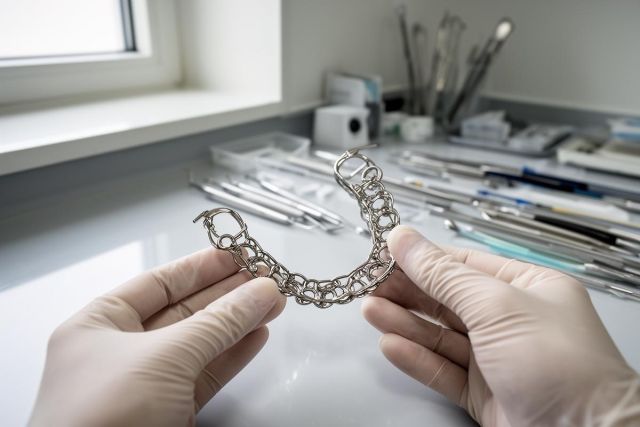
Metal framework partial dentures consist of a metal base, often made from lightweight and biocompatible alloys such as cobalt-chromium, that supports replacement teeth and gum-colored acrylic. This metal framework fits snugly against your gums and remaining teeth, providing a foundation for artificial teeth that blend naturally with your smile.
The design includes metal clasps or precision attachments that anchor the denture to your natural teeth, offering stability and preventing movement during speaking or chewing. Because the metal is thin but strong, these dentures often feel less bulky and more comfortable than all-acrylic alternatives.
Their main function is to restore missing teeth in cases where some natural teeth remain healthy and stable. They help maintain proper bite alignment and prevent shifting of your existing teeth. These partial dentures are removable, allowing for easy cleaning and adjustments as needed to ensure continued comfort and function.
Benefits of Choosing Metal Framework Partial Dentures
Metal framework partial dentures offer several advantages that make them a reliable and effective tooth replacement option. Their primary benefit is durability; the metal base resists fractures and wear better than acrylic alone, which enhances the longevity of your denture.
Strength is another key advantage. The metal framework provides a rigid structure that supports chewing forces, allowing you to eat a wider variety of foods comfortably. This strength also helps maintain the shape and fit of the denture over time.
Compatibility with various dental conditions is important as well. Metal partials can be designed to accommodate different mouth shapes, tooth positions, and bite patterns. They also tend to cause less irritation to the gums compared to some flexible denture materials.
Because the metal framework is thin, these dentures often feel less bulky and improve speech clarity compared to bulkier acrylic dentures. Their precision fit can also improve your confidence when smiling and speaking.
Comparing Metal Framework Partial Dentures to Other Types of Dentures
Compared to acrylic partial dentures, metal framework partials are generally more durable and provide a better fit due to their custom metal base. Acrylic partials tend to be bulkier and less stable, which may affect comfort and chewing ability.
Flexible partial dentures use softer materials that can adapt to mouth contours without metal clasps. While flexible dentures may be more comfortable initially, they often lack the strength and longevity of metal frameworks. They also may not provide as secure a fit, especially for larger gaps.
Metal framework partial dentures strike a balance between strength and comfort. Their rigidity supports chewing and maintains denture shape, which acrylic and flexible options may not offer as effectively. However, metal dentures may require an adjustment period for some patients to get used to the metal clasps and sensation.
Your choice among these options depends on factors like oral health, aesthetic preferences, and lifestyle. Discussing these with a dental professional can help you find the most suitable denture type for your needs.
Caring for Your Metal Framework Partial Dentures: Tips and Best Practices
Proper care is essential to maintain your metal framework partial dentures’ longevity and your oral health. Clean your dentures daily using denture cleaners recommended by your dentist to remove food debris and plaque without damaging the metal or acrylic parts.
Avoid using harsh or abrasive toothpaste that can scratch the metal framework. Instead, use soft brushes designed for dentures and lukewarm water to gently clean all surfaces.
Remove your dentures at night to allow your gums to rest and reduce the risk of irritation. Soaking them in a denture solution overnight can help keep them fresh and prevent bacterial buildup.
Maintain good oral hygiene by brushing your natural teeth and gums thoroughly, and schedule regular dental check-ups. Your dentist can assess fit and make necessary adjustments to prevent discomfort or damage.
Handle your dentures carefully to avoid dropping and bending the metal framework. Proper storage in a safe container when not in use also protects your investment.
Is a Metal Framework Partial Denture Right for You? Factors to Consider
Choosing metal framework partial dentures involves considering your oral health, lifestyle, and personal preferences. They are often recommended if you have healthy remaining teeth that can support the metal clasps securely.
If you require a durable, long-lasting denture that provides good chewing function, metal partials could be suitable. However, if you have metal allergies or sensitivities, discuss alternative materials with your dentist.
Cost can be a factor since metal framework partial dentures tend to be more expensive than acrylic options due to materials and fabrication complexity. Yet, their durability may offer better value over time.
Your lifestyle and comfort preferences also matter. Some patients adjust quickly to the feel of metal clasps, while others may prefer flexible or acrylic options. Your dentist can guide you based on your oral condition and aesthetic goals.
Ultimately, a thorough dental evaluation will help determine whether metal framework partial dentures fit your needs and expectations for tooth replacement.
Frequently Asked Questions
Q: What are the advantages of metal framework partial dentures?
Restore Your Smile With Dentures or Full-Mouth Prosthetics
Answer a few short questions and HealthNode will help you connect with the right prosthodontic or restorative dental specialist.
Comfort, Function, and Appearance
This helps us understand whether you may need new dentures, denture adjustment, implant-supported dentures, or full-mouth prosthetics.
Dental History and Treatment Planning
A few details help the specialist understand whether you may need extractions, denture relining, implants, or full-mouth reconstruction.
Health and Prosthetic Factors
These details help the specialist understand any factors that may affect healing, denture fit, or implant-supported options.
Contact information
Your information is only used to contact you and is never shared with third parties.
Your request has been received!
Thank you. If you have dental X-rays, panoramic X-ray, CBCT scan, previous denture records, implant records, extraction notes, gum treatment records, or photos of your current dentures, please keep them ready. A HealthNode consultant will guide you through the next step.
A: Metal framework partial dentures offer durability, strength, and a precise fit. They provide reliable long-term tooth replacement and support chewing and speaking effectively.
Q: How long do metal partial dentures typically last?
A: With proper care and regular dental visits, metal framework partial dentures can last between 5 to 10 years or more. Their metal base resists wear better than acrylic alone.
Q: Are metal dentures suitable for everyone?
A: Not all patients are ideal candidates for metal partial dentures. Suitability depends on oral health, presence of allergies, and individual preferences. A dental professional can assess your situation.
Q: How should I care for my metal partial dentures?
A: Clean your dentures daily with recommended denture cleaners, avoid harsh abrasives, and practice good oral hygiene. Removing them at night and soaking in a denture solution helps maintain their condition.
Q: Can I eat normally with metal partial dentures?
A: Most patients can eat a normal diet with metal partial dentures after an adjustment period. Start with soft foods and avoid very sticky or hard items to protect your dentures.
Q: Do metal partial dentures affect speech?
A: There may be a brief adjustment period when you first wear metal partial dentures, but speech usually returns to normal quickly as you adapt.
The information provided is for educational purposes only and does not constitute medical advice. Always consult with a healthcare professional for medical guidance specific to your situation.