How Natural Can Full-Mouth Rehabilitation Results Look?
Full-mouth rehabilitation can produce dental restorations that look remarkably natural when advanced materials and expert techniques are used. Modern aesthetic dentistry strives to replicate the color, shape, and translucency of natural teeth so that the final smile blends seamlessly with your facial features, creating a harmonious and balanced appearance. This approach not only restores oral health and function but also enhances your overall confidence and quality of life.
Achieving a natural look depends on several factors including the use of high-quality ceramic or composite materials, precise shade matching, and a skilled dental technician’s craftsmanship. These elements work together with digital design tools and personalized treatment planning to restore not only function and health but also the beauty of your smile. The integration of technology and artistry allows for customization that respects your unique dental anatomy and aesthetic preferences.
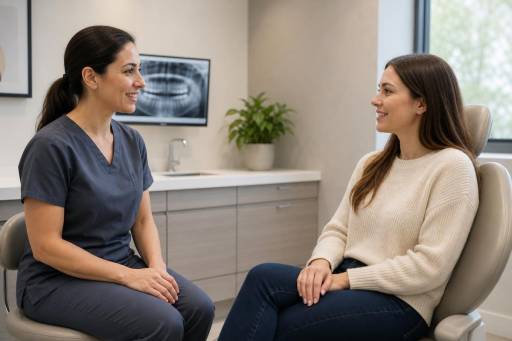
It is important to understand that natural-looking results require careful coordination between you and your dental care team. This includes discussing your expectations, lifestyle factors, and any concerns you may have about the treatment process. By being informed about the materials, techniques, and technologies involved, you can better appreciate the art and science behind creating lifelike dental restorations.
Restore Your Smile, Bite, and Chewing Function
Answer a few short questions and HealthNode will help you connect with the right prosthodontic, restorative, or full-mouth rehabilitation specialist.
Function, Comfort, and Appearance
This helps us understand whether your main need is chewing function, bite correction, smile restoration, or replacement of existing dental work.
Previous Dental Work and Treatment Options
A few details help the specialist understand whether crowns, bridges, implants, veneers, dentures, or a combined plan may be needed.
Dental Health and Planning Factors
These details help the specialist understand whether any gum, bone, bite, or healing factors may affect your treatment plan.
Contact information
Your information is only used to contact you and is never shared with third parties.
Your request has been received!
Thank you. If you have dental X-rays, panoramic X-ray, CBCT scan, intraoral scan, photos, previous crown, bridge, implant, denture, veneer, root canal, or treatment plan records, please keep them ready. A HealthNode consultant will guide you through the next step.
If you are considering full-mouth rehabilitation, understanding how the results can appear natural helps set realistic expectations and appreciate the complexity involved. This knowledge also empowers you to discuss your aesthetic goals clearly with your dental care team, ensuring that the final outcome aligns with your vision for a healthy, beautiful smile.
The Art and Science of Natural-Looking Dental Restorations
Full-mouth rehabilitation involves restoring all or most of the teeth in your mouth through a blend of treatments such as crowns, bridges, veneers, implants, and sometimes dentures. The goal is to create dental restorations that not only function well but also look natural and attractive, blending seamlessly with your existing oral structures and facial features.
Advances in dental materials have been crucial to improving aesthetics. Porcelain and zirconia ceramics are often used because they mimic the translucency, texture, and color variations of natural enamel. These materials are biocompatible and durable, providing long-lasting results that maintain their appearance over time. Composite resins offer versatility for more conservative restorations with good aesthetic outcomes, especially when preserving tooth structure is a priority.
Digital smile design has revolutionized treatment planning by allowing dentists to simulate the final appearance before starting procedures. This technology helps customize each restoration to fit your unique facial features, smile line, and personal preferences. By visualizing potential outcomes, you can provide feedback and make informed decisions about your treatment plan.
Skilled dental technicians then craft the restorations with meticulous attention to detail, layering ceramics to replicate the subtle optical properties of teeth such as translucency, fluorescence, and surface texture. This artistic process requires both technical expertise and an eye for aesthetics to achieve a natural look.
Together, these scientific and artistic approaches ensure that full-mouth rehabilitation can achieve results that appear highly natural and harmonious with your overall look. The integration of cutting-edge technology, high-quality materials, and expert craftsmanship creates smiles that restore function, enhance beauty, and improve quality of life.
Factors That Influence the Natural Appearance of Restorations
Several key factors determine how natural your full-mouth rehabilitation will look, and understanding these can help you appreciate the complexity involved in achieving lifelike results. The choice of dental materials is foundational. High-quality ceramics such as lithium disilicate and zirconia offer superior translucency, color stability, and strength compared to older materials. These properties help restorations blend seamlessly with natural teeth, mimicking the way light interacts with enamel.
The skill and artistry of the dental technician also play a major role in the final aesthetic outcome. Technicians carefully layer and color the ceramic or composite materials to emulate the nuanced shading, translucency, and surface texture of real teeth. This craftsmanship affects the final appearance as much as the material choice, requiring a deep understanding of dental anatomy and color theory.
Patient-specific considerations are equally important. Your natural tooth color, gum contour, lip shape, facial proportions, and even skin tone guide the customization process. A restoration that matches these factors will look more authentic and flattering, enhancing your overall facial harmony rather than standing out as artificial.
Proper treatment planning and clear communication between you, your dentist, and the dental lab help ensure that your aesthetic preferences and anatomical features are respected. This teamwork creates restorations that not only restore function but also look like your own healthy teeth. Additionally, factors such as bite dynamics and oral hygiene habits influence the long-term success and appearance of your restorations.
By considering these elements, your dental care team can tailor your rehabilitation to achieve results that are both beautiful and natural-looking, supporting your oral health and confidence.
What to Expect During Your Full-Mouth Rehabilitation Journey
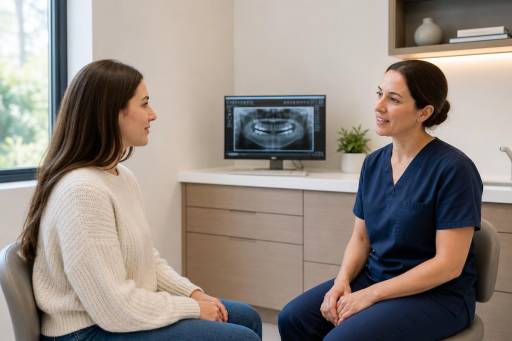
Your full-mouth rehabilitation journey begins with a comprehensive dental consultation where your oral health, bite function, and aesthetic goals are thoroughly evaluated. This initial assessment often includes diagnostic imaging such as digital X-rays, 3D scans, and photographs, as well as impressions or digital scans of your teeth. These diagnostic tools help the dental team plan your treatment precisely and identify any underlying issues that need to be addressed.
Treatment planning may involve several visits to prepare teeth, place implants if needed, and create temporary restorations. These temporaries serve a critical role by allowing you to test the function and look of your new smile in everyday situations. During this phase, adjustments can be made to ensure comfort, proper bite alignment, and aesthetic satisfaction before the final restorations are fabricated.
Once your permanent restorations are ready, they are fitted and adjusted to achieve optimal comfort, function, and appearance. This phase may involve multiple appointments to perfect the bite, contour, and aesthetics. Your dentist will carefully evaluate the fit and make any necessary refinements to ensure the restorations feel natural and integrate seamlessly with your existing teeth and gums.
Recovery varies depending on the treatments involved, such as implant surgery, bone grafting, or gum procedures. Your dentist will provide detailed aftercare instructions to promote healing and maintain your results. It is important to follow these guidelines closely and attend all follow-up appointments to monitor your progress.
Throughout the process, open communication and realistic expectations are vital to achieving a natural and satisfying outcome. Being informed about each step and understanding the timeline can help reduce anxiety and empower you to actively participate in your treatment journey.
Real Patient Stories: Achieving Natural Results in Full-Mouth Rehabilitation
Many patients who undergo full-mouth rehabilitation report high levels of satisfaction not only with the improved oral function but also with the natural appearance of their new smiles. Testimonials frequently highlight how restorations look indistinguishable from natural teeth, which greatly boosts confidence and quality of life. Patients often describe feeling more comfortable smiling, speaking, and eating after treatment, underscoring the positive impact on their social and psychological well-being.
Detailed case studies illustrate how tailored treatment plans and expert craftsmanship can transform severely damaged, worn, or missing teeth into lifelike, beautiful smiles. These examples show that even complex dental issues can be addressed effectively to restore both aesthetics and function. Patients appreciate the personalized approach, where their unique dental anatomy and aesthetic goals are carefully considered to create results that blend seamlessly with their facial features.
These real-world examples demonstrate the feasibility of achieving natural aesthetics even in complex full-mouth restorations. They also underscore the importance of choosing experienced dental professionals who prioritize both function and appearance, as well as open communication throughout the treatment process. Understanding patient stories helps set realistic expectations and provides reassurance about the journey ahead.
Seeing before-and-after photos and reading patient feedback can help you understand what is achievable and prepare you mentally and emotionally for your own rehabilitation journey. These insights emphasize that with the right care and technology, natural-looking, durable, and comfortable dental restorations are attainable outcomes for many individuals.
Advancements in Technology That Enhance Natural-Looking Outcomes
Technological innovations have greatly improved the precision and aesthetic quality of full-mouth rehabilitation, making it possible to achieve results that closely mimic natural dentition. Digital smile design software allows dentists to create a detailed virtual model of your mouth and simulate your ideal smile before any treatment begins. This not only helps in visualizing the expected outcome but also facilitates collaborative planning between you and your dental team to ensure your preferences and concerns are addressed early on.
3D printing and computer-aided manufacturing (CAD/CAM) technologies enable the creation of highly accurate and detailed restorations that fit perfectly and look natural. These tools reduce human error by automating critical steps in the fabrication process, which also speeds up production times and improves the consistency of results. The precision offered by these technologies helps minimize adjustments during fitting and enhances the longevity and comfort of the restorations.
Restore Your Smile, Bite, and Chewing Function
Answer a few short questions and HealthNode will help you connect with the right prosthodontic, restorative, or full-mouth rehabilitation specialist.
Function, Comfort, and Appearance
This helps us understand whether your main need is chewing function, bite correction, smile restoration, or replacement of existing dental work.
Previous Dental Work and Treatment Options
A few details help the specialist understand whether crowns, bridges, implants, veneers, dentures, or a combined plan may be needed.
Dental Health and Planning Factors
These details help the specialist understand whether any gum, bone, bite, or healing factors may affect your treatment plan.
Contact information
Your information is only used to contact you and is never shared with third parties.
Your request has been received!
Thank you. If you have dental X-rays, panoramic X-ray, CBCT scan, intraoral scan, photos, previous crown, bridge, implant, denture, veneer, root canal, or treatment plan records, please keep them ready. A HealthNode consultant will guide you through the next step.
Intraoral scanners have largely replaced traditional impression methods, providing detailed digital images of the teeth and soft tissues. This enhances the accuracy of restorations and significantly improves patient comfort by eliminating the need for messy impression materials. The digital data collected can be easily shared with dental laboratories, streamlining communication and reducing turnaround times.
Together, these advanced technologies not only improve the functional and aesthetic outcomes of full-mouth rehabilitation but also enhance communication between the dental team and you. They make it easier to customize and preview your final results, helping to set realistic expectations and increase patient satisfaction. Additionally, these innovations support the creation of restorations that are both functionally effective and visually convincing, contributing to a natural appearance that harmonizes with your facial features.
Frequently Asked Questions
Q: How natural do full-mouth rehabilitation results usually look?
A: Full-mouth rehabilitation results can look very natural when high-quality materials and skilled technicians are involved. Modern ceramics and digital design help match the color and translucency of natural teeth closely, making restorations blend seamlessly with your smile.
Q: What materials are best for achieving a natural appearance?
A: Ceramics such as lithium disilicate and zirconia are preferred for their lifelike translucency and strength. Composite resins can also be used in some cases to create aesthetic restorations that mimic natural enamel.
Q: How long does the full-mouth rehabilitation process take?
A: The process varies by case complexity but typically spans several months. This includes consultation, treatment planning, preparation, temporary restorations, and final placement, plus any necessary healing time, especially after implants.
Q: Can digital technology improve the look of my dental restorations?
A: Yes, digital smile design and 3D printing allow precise planning and fabrication, improving the fit, comfort, and aesthetics of restorations. These technologies help ensure your restorations look natural and meet your personal smile goals.
Q: Will my new teeth feel natural as well as look natural?
A: A well-planned full-mouth rehabilitation considers bite function and comfort, so your restorations should feel natural in your mouth. Proper adjustment and follow-up care help ensure your teeth feel comfortable during daily activities like chewing and speaking.
The information provided is for educational purposes only and does not constitute medical advice. Always consult with a healthcare professional for medical guidance specific to your situation.