What Tests Are Used Before Full-Mouth Rehabilitation?
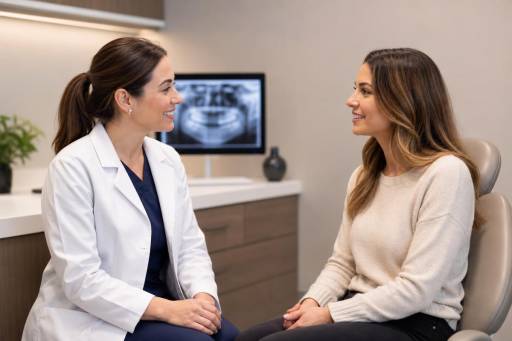
Before undergoing full-mouth rehabilitation, several diagnostic tests are essential to ensure a safe and effective treatment plan tailored to your unique oral health needs. These tests typically include various imaging techniques such as X-rays and three-dimensional (3D) scans, thorough clinical examinations, and sometimes specialized assessments for more complex dental conditions. They help dental professionals evaluate the condition of your teeth, gums, jawbone, and surrounding structures to create a comprehensive rehabilitation strategy that addresses all aspects of your oral health.
Full-mouth rehabilitation is a complex dental treatment aimed at restoring function, aesthetics, and health to your entire mouth. Because of this complexity, accurate diagnosis through these tests is critical to avoid complications and optimize outcomes. The diagnostic phase often involves a combination of non-invasive imaging and hands-on assessments, with additional tests if your case requires more detailed analysis. This multi-faceted approach ensures that no underlying issues are overlooked and that your treatment plan is both safe and effective.
Understanding the purpose and process of these diagnostic tests can help you feel more confident and prepared for treatment. Knowing what to expect allows you to actively participate in your care, ask informed questions, and follow any necessary preparation instructions for a smoother experience. Being well-informed also helps reduce anxiety and builds a trusting relationship with your dental team, which is important for long-term treatment success and satisfaction.
Restore Your Smile, Bite, and Chewing Function
Answer a few short questions and HealthNode will help you connect with the right prosthodontic, restorative, or full-mouth rehabilitation specialist.
Function, Comfort, and Appearance
This helps us understand whether your main need is chewing function, bite correction, smile restoration, or replacement of existing dental work.
Previous Dental Work and Treatment Options
A few details help the specialist understand whether crowns, bridges, implants, veneers, dentures, or a combined plan may be needed.
Dental Health and Planning Factors
These details help the specialist understand whether any gum, bone, bite, or healing factors may affect your treatment plan.
Contact information
Your information is only used to contact you and is never shared with third parties.
Your request has been received!
Thank you. If you have dental X-rays, panoramic X-ray, CBCT scan, intraoral scan, photos, previous crown, bridge, implant, denture, veneer, root canal, or treatment plan records, please keep them ready. A HealthNode consultant will guide you through the next step.
Diagnostic Imaging Techniques for Full-Mouth Rehabilitation
Diagnostic imaging is a cornerstone of the pre-treatment assessment for full-mouth rehabilitation. These imaging techniques provide detailed and accurate views of your teeth, jawbone, sinuses, and other oral structures, which are crucial for accurate diagnosis and treatment planning. Common imaging methods include traditional dental X-rays, cone beam computed tomography (CBCT) scans, and advanced three-dimensional (3D) imaging.
Dental X-rays, such as bitewings and panoramic films, offer two-dimensional images that reveal tooth decay, bone levels, root health, and the presence of infections or cysts. These images help detect problems that may not be visible during a clinical exam, such as cavities between teeth or bone loss due to gum disease.
CBCT scans provide three-dimensional imaging, allowing your dentist to evaluate bone density, anatomical structures, and spatial relationships with greater precision. This is especially important if dental implants or complex prosthetics are part of your rehabilitation plan, as it helps determine the exact location and quality of bone available for implant placement. Additionally, CBCT can reveal sinus anatomy and nerve pathways, helping avoid complications during surgery.
Advanced 3D imaging also helps identify any anatomical variations or pathologies, such as cysts, tumors, or impacted teeth, that could affect treatment success. By combining these imaging results with clinical findings, your dental team gains a comprehensive understanding of your oral health status. This thorough evaluation enables them to design a personalized, effective rehabilitation plan that minimizes risks and maximizes functional and aesthetic outcomes.
Clinical Examinations and Tests Conducted by Dental Professionals
Alongside imaging, clinical examinations play a vital role in assessing your oral health before full-mouth rehabilitation. During these assessments, your dentist inspects the condition of your gums, teeth, bite, and jaw function through hands-on evaluation. This direct examination allows the dentist to detect subtle signs of disease or dysfunction that may not be visible on imaging alone.
Bite analysis is a key component, where your dentist observes how your upper and lower teeth come together. This helps identify any malocclusion, such as misaligned bites or uneven tooth wear, or functional issues like jaw joint discomfort that may require correction. Proper bite alignment is crucial for the long-term success of rehabilitation, as it affects chewing efficiency and prevents excessive stress on dental restorations.
Other tests might include periodontal probing, where the dentist measures the depth of gum pockets around each tooth to assess gum health and detect inflammation or bone loss. This information guides treatment decisions to address gum disease before or during rehabilitation. Additionally, your dentist checks for signs of tooth wear, fractures, or decay that could impact the rehabilitation outcome. Identifying these conditions early allows for timely intervention, improving the durability and comfort of your dental restorations.
These clinical tests complement imaging findings, providing a holistic picture of your oral status. Together, they guide treatment decisions to restore both function and comfort effectively. The thoroughness of these examinations helps ensure that your full-mouth rehabilitation addresses all aspects of your oral health, leading to better long-term results and patient satisfaction.
Specialized Tests for Complex Cases
In more complex full-mouth rehabilitation cases, additional diagnostic tests may be necessary to address specific challenges and ensure a comprehensive evaluation. Temporomandibular joint (TMJ) analysis is often performed if you experience jaw pain, clicking, or limited movement. This evaluation can include both clinical examination and advanced imaging tests such as magnetic resonance imaging (MRI) or cone beam computed tomography (CBCT) scans specifically focused on the TMJ. These tests help assess joint structure, inflammation, or degenerative changes that might influence your treatment plan.
Bone density scans might be required to assess jawbone quality, particularly if dental implants are planned as part of your rehabilitation. Adequate bone volume and density are critical for implant stability and long-term success. These scans help determine if bone grafting or other preparatory procedures are needed to provide a solid foundation for implants, reducing the risk of implant failure.
Lab tests may also be requested to evaluate systemic factors that could affect oral health and healing, such as blood glucose levels to screen for diabetes or markers of infection and inflammation. Identifying these factors allows your dental team to coordinate care with your medical providers and optimize your overall health before starting rehabilitation.
Such comprehensive diagnostics ensure that all contributing factors are considered, enabling safer and more predictable rehabilitation outcomes. They also help tailor treatment approaches to your individual needs, improving comfort, function, and longevity of the dental restorations.
Preparing for Your Diagnostic Tests: What to Expect
Preparing for diagnostic tests before full-mouth rehabilitation helps make the process smoother and more comfortable. Most imaging tests, such as dental X-rays and cone beam computed tomography (CBCT) scans, are quick and painless. Typically, these require no special preparation beyond removing any metal objects like jewelry, eyeglasses, or dentures that could interfere with image quality. Wearing comfortable clothing is also advisable since you may need to remain still during imaging.
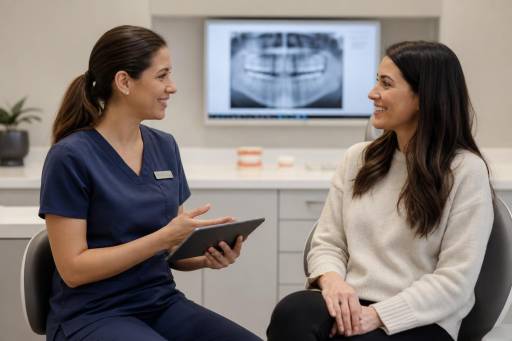
For clinical examinations, you can expect your dentist to ask about your dental history, current symptoms, and any concerns you may have. It’s helpful to bring a list of your current medications, allergies, and any relevant health information, as systemic conditions can influence dental treatment. Being prepared with this information allows your dental team to provide safer and more personalized care.
Some specialized tests, such as blood work, may require specific instructions like fasting or avoiding certain medications beforehand. Your dentist or healthcare provider will give you clear guidance on how to prepare to ensure accurate results. If you have any questions or feel uncertain about the preparation steps, it’s important to communicate openly with your dental team.
Typically, diagnostic appointments last between 30 minutes to an hour, depending on the number and type of tests performed. Knowing what to expect can reduce anxiety and help you feel more involved in your care journey. Being well-prepared also contributes to obtaining high-quality diagnostic information, which is essential for planning a successful full-mouth rehabilitation.
The Role of Diagnostic Tests in Treatment Success
Diagnostic tests are fundamental to the success of full-mouth rehabilitation. They provide objective data that allows your dental team to diagnose conditions accurately and develop a treatment plan tailored specifically to your needs. These tests not only identify visible problems but also uncover hidden issues that could affect treatment outcomes, such as bone loss, gum disease, or temporomandibular joint (TMJ) disorders. Early detection of these conditions helps prevent complications during or after rehabilitation.
Accurate diagnostics reduce the risk of complications by identifying underlying issues before treatment begins. For example, if bone density is insufficient for implants, additional procedures like bone grafting can be planned in advance. Similarly, detecting gum inflammation early allows for periodontal treatment to improve healing and long-term success. This ensures that the chosen rehabilitation approach restores your oral function and aesthetics effectively and sustainably, minimizing the likelihood of future problems.
Involving you in the diagnostic process also enhances communication and trust between you and your dental team. When you understand your oral health status and the reasons behind each test, you can make informed decisions about your care. This understanding encourages better adherence to post-treatment care recommendations, such as oral hygiene practices and follow-up visits, which are critical for maintaining the results of your rehabilitation. Overall, thorough diagnostic testing lays the foundation for a personalized, safe, and successful full-mouth rehabilitation journey.
Restore Your Smile, Bite, and Chewing Function
Answer a few short questions and HealthNode will help you connect with the right prosthodontic, restorative, or full-mouth rehabilitation specialist.
Function, Comfort, and Appearance
This helps us understand whether your main need is chewing function, bite correction, smile restoration, or replacement of existing dental work.
Previous Dental Work and Treatment Options
A few details help the specialist understand whether crowns, bridges, implants, veneers, dentures, or a combined plan may be needed.
Dental Health and Planning Factors
These details help the specialist understand whether any gum, bone, bite, or healing factors may affect your treatment plan.
Contact information
Your information is only used to contact you and is never shared with third parties.
Your request has been received!
Thank you. If you have dental X-rays, panoramic X-ray, CBCT scan, intraoral scan, photos, previous crown, bridge, implant, denture, veneer, root canal, or treatment plan records, please keep them ready. A HealthNode consultant will guide you through the next step.
Frequently Asked Questions
Q: What types of imaging are used before full-mouth rehabilitation?
A: Common imaging types include dental X-rays, panoramic films, and 3D cone beam CT scans. These provide detailed views of teeth, bone, and jaw structures needed for precise treatment planning.
Q: How does bite analysis affect treatment planning?
A: Bite analysis evaluates how your teeth come together and identifies functional issues like misalignment. This information helps dentists design rehabilitation that improves chewing and jaw comfort.
Q: Are there any special preparations needed for diagnostic tests?
A: Most imaging tests require minimal preparation, such as removing metal objects. Some specialized tests like blood work may have specific instructions, so always follow your dental provider’s guidance.
Q: Why are specialized tests like TMJ analysis important?
A: Specialized tests help diagnose complex conditions affecting the jaw joint or bone quality. Identifying these issues beforehand helps customize treatment and avoid complications during rehabilitation.
Q: Can diagnostic tests predict the success of full-mouth rehabilitation?
A: While no test can guarantee outcomes, thorough diagnostics provide critical information that greatly increases the likelihood of a successful, personalized treatment plan.
The information provided is for educational purposes only and does not constitute medical advice. Always consult with a healthcare professional for medical guidance specific to your situation.