Quick Answer
A dental scan uses digital technology to create a precise 3D image of your teeth, while a dental impression involves molding your teeth with a putty-like material to form a physical negative imprint. Dental scans are generally quicker, more comfortable, and offer improved accuracy compared to traditional impressions.
- Dental scans capture detailed digital models of teeth, allowing for computer-aided crown design with high precision.
- Traditional impressions use mold materials to create a physical replica of teeth but can cause discomfort or gagging for some patients.
- Both methods are essential for accurate crown fitting, which ensures comfort, durability, and proper bite function.
- Digital scans are quicker and less invasive, often providing immediate review and integration with CAD/CAM technology for faster crown fabrication.
- Traditional impressions remain widely used due to lower technology costs and accessibility in many dental practices.
- The choice between scans and impressions depends on patient comfort, accuracy needs, technology availability, and sometimes cost.
- Advances in digital dentistry, including 3D printing and intraoral scanners, are improving crown fabrication speed and patient experience, with digital scans expected to become more common.
What Is the Difference Between a Dental Scan and an Impression for a Crown?
A dental scan and a dental impression are two methods used to capture the shape and structure of your teeth when preparing for a dental crown, but they differ significantly in technique and patient experience. A dental scan uses digital technology to create a precise 3D image of your teeth and gums, while a dental impression involves physically molding your teeth using a putty-like material to form a negative imprint. Both approaches play a crucial role in ensuring that your dental crown fits well, looks natural, and functions properly.
These methods are essential steps in crown fabrication, as accurate measurements determine the crown's fit, comfort, and durability. As dental technology advances, digital scans are becoming more common, offering benefits such as quicker processing and enhanced precision. However, traditional impressions remain widely used and trusted by dental professionals worldwide. Understanding these differences can help you feel more comfortable and informed when undergoing crown treatment, especially if you have concerns about comfort, accuracy, or procedure duration.
How Dental Scans and Impressions Contribute to Accurate Crown Fitting
Both dental scans and impressions serve as the foundation for creating dental crowns that fit your teeth precisely. The accuracy of these measurements is vital because a well-fitting crown minimizes discomfort, prevents gaps where bacteria could accumulate, and ensures that your bite feels natural.
Restore Damaged or Missing Teeth With Crowns and Bridges
Answer a few short questions and HealthNode will help you connect with the right restorative or cosmetic dentist.
Crown, Bridge, or Replacement Needs
This helps us understand whether a crown, bridge, implant, or another treatment may be more suitable.
Dental Health Check
A few details help the dentist understand whether any treatment is needed before placing a crown or bridge.
Contact information
Your information is only used to contact you and is never shared with third parties.
Your request has been received!
Thank you. If you have dental X-rays, panoramic X-ray, CBCT scan, root canal records, previous crown or bridge records, treatment plans, or dental photos, please keep them ready. A HealthNode consultant will guide you through the next step.
Dental scans capture a detailed digital model of your teeth and surrounding tissues. This model allows dental technicians to design the crown with computer-aided precision, reducing the chance of errors. Impressions, on the other hand, create a physical replica of your teeth by using mold materials that harden around your teeth, capturing their shape and alignment.
The quality of either method directly impacts the crown's durability and function. A precise dental scan or impression helps the dental lab fabricate a crown that fits snugly without requiring multiple adjustments or remakes. This accuracy also contributes to the longevity of the crown by ensuring proper contact with adjacent teeth and preventing issues such as irritation or loosening over time.
Traditional Impressions vs. Digital Dental Scans: Methods and Benefits
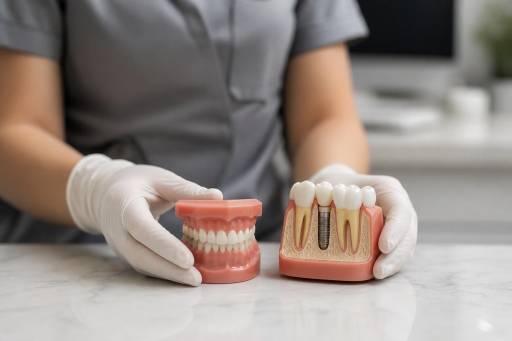
Traditional dental impressions involve placing a tray filled with a putty-like material into your mouth and biting down until it sets. This method has been used for decades and is effective at capturing the overall shape of your teeth and gums. However, it can sometimes cause discomfort or gagging, especially for patients with sensitive mouths.
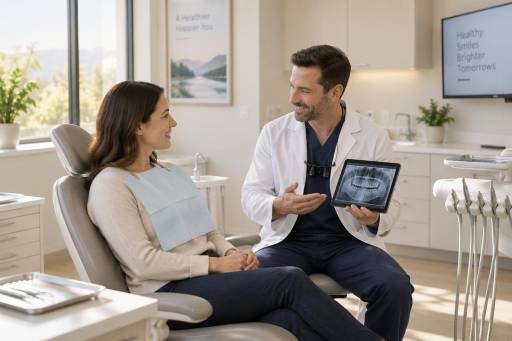
Digital dental scans use an intraoral scanner, a handheld device that captures multiple images inside your mouth. These images are combined to create a 3D digital model. This process is generally quicker, less invasive, and more comfortable than traditional impressions.
Both methods have their advantages. Traditional impressions require less initial investment in technology and are widely accessible. Digital scans offer improved accuracy, the ability to immediately review results, and seamless integration with CAD/CAM technology for faster crown fabrication. However, access to digital scanning may be limited depending on your dental practice's equipment.
What to Expect During a Dental Scan or Impression Appointment
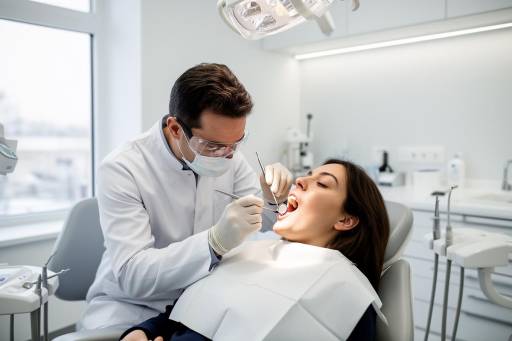
During a traditional impression appointment, your dentist will prepare a tray with impression material and carefully place it over your teeth. You will need to bite down and hold still until the material sets, which typically takes a few minutes. Some patients find this process uncomfortable due to the bulkiness of the tray or the texture of the material.
For a dental scan, the procedure involves your dentist or dental assistant moving a small scanner around your mouth, capturing images of your teeth and gums. This usually takes less time than an impression and does not involve any materials in your mouth beyond the scanner tip.
After either procedure, your dentist will review the results to ensure the model or scan accurately represents your teeth. You may experience slight sensitivity or discomfort, but this usually resolves quickly. Proper post-procedure care mainly involves maintaining oral hygiene and avoiding biting on hard foods until the crown is placed.
Choosing Between Dental Scans and Impressions: Factors to Consider
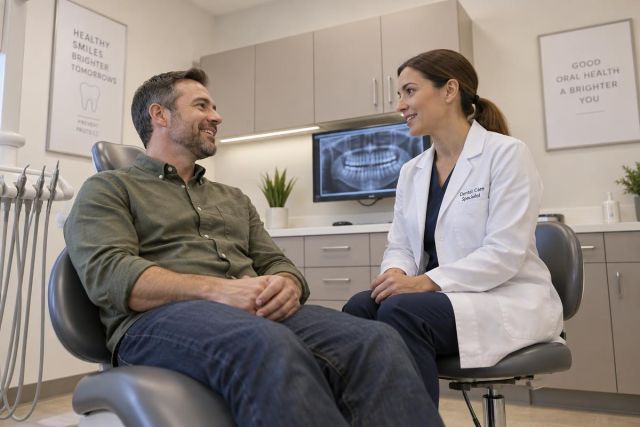
Selecting between a dental scan and a traditional impression depends on several factors including your comfort, the accuracy needed, and the technology available at your dental clinic. If you have a sensitive gag reflex or anxiety about having materials in your mouth, a digital scan may be more comfortable.
Accuracy is another consideration. Digital scans often provide highly detailed images, which can lead to better-fitting crowns and fewer adjustments. However, experienced dentists can obtain excellent results using traditional impressions as well.
The availability of technology also plays a role. Some dental practices may not yet have digital scanners, making impressions the default option. Cost can sometimes factor in, though many patients find the convenience and comfort of digital scans worth the investment. Discussing these options with your dentist can help you make an informed choice tailored to your needs.
The Future of Crown Fabrication: Digital Dentistry Trends
Digital dentistry is rapidly advancing, with technologies like intraoral scanners and 3D printing transforming how crowns are designed and produced. Intraoral scanners capture highly accurate digital impressions that can be transmitted instantly to dental labs or even used on-site to create crowns with CAD/CAM milling machines.
3D printing is also becoming more prevalent, allowing dental labs to produce crown models and temporary crowns faster and with precise detail. These innovations reduce turnaround times and improve the overall patient experience by minimizing visits and adjustments.
As these technologies become more accessible, we expect digital scans to increasingly replace traditional impressions, offering patients improved comfort and dental practices enhanced efficiency. Staying informed about these trends can help you understand the options your dentist may offer for crown treatment in the near future.
Frequently Asked Questions
Q: What are the main differences between dental scans and impressions?
A: Dental scans use digital technology to create a 3D image of your teeth, while impressions use a physical molding material to capture the tooth shape. Scans tend to be quicker and more comfortable, whereas impressions may feel bulky and take longer to set.
Restore Damaged or Missing Teeth With Crowns and Bridges
Answer a few short questions and HealthNode will help you connect with the right restorative or cosmetic dentist.
Crown, Bridge, or Replacement Needs
This helps us understand whether a crown, bridge, implant, or another treatment may be more suitable.
Dental Health Check
A few details help the dentist understand whether any treatment is needed before placing a crown or bridge.
Contact information
Your information is only used to contact you and is never shared with third parties.
Your request has been received!
Thank you. If you have dental X-rays, panoramic X-ray, CBCT scan, root canal records, previous crown or bridge records, treatment plans, or dental photos, please keep them ready. A HealthNode consultant will guide you through the next step.
Q: Is one method more accurate than the other for crown fitting?
A: Digital dental scans generally offer higher precision due to detailed imaging, which can improve crown fit and reduce adjustments. However, traditional impressions remain effective when performed properly by experienced dentists.
Q: Are dental scans or impressions more comfortable during the procedure?
A: Most patients find digital scans more comfortable because they avoid the gagging sensation sometimes caused by impression materials. Scans involve a small handheld device rather than trays filled with molding material.
Q: Can every dental office provide digital scans for crowns?
A: Not all dental offices have digital scanning technology yet. Availability depends on the clinic's equipment and investment in digital dentistry. Traditional impressions are still widely used where technology is limited.
Q: How do new digital trends affect the time it takes to get a crown?
A: Digital workflows, including scanning and CAD/CAM milling, can shorten the time required for crown fabrication, sometimes allowing same-day crowns. This reduces the number of visits and waiting periods compared to traditional methods.
The information provided is for educational purposes only and does not constitute medical advice. Always consult with a healthcare professional for medical guidance specific to your situation.