Quick Answer
A cracked tooth can be stabilised with a bonded restoration by applying composite resin that reinforces the tooth structure and prevents further damage. This minimally invasive procedure preserves most of the natural tooth and can be completed quickly, often in one visit.
- Bonded restorations use tooth-colored composite resin to adhere to and support cracked teeth, reducing the risk of further fracture.
- This treatment is minimally invasive, preserving healthy tooth structure compared to crowns or other extensive procedures.
- The suitability of bonded restorations depends on the crack's location, extent, and overall tooth health, with superficial cracks being better candidates.
- The bonding procedure involves cleaning, conditioning, layering composite resin, and curing it with light, usually without anesthesia.
- Bonded restorations offer aesthetic benefits by matching tooth color and can be repaired or replaced if needed.
- Limitations include less durability than crowns and unsuitability for deep cracks extending into the pulp or root.
- Proper post-treatment care and regular dental check-ups are important to maintain the restoration's function and longevity.
Can a Tooth With a Crack Be Stabilised With a Bonded Restoration?
Bonded restorations can effectively stabilise a cracked tooth by adhering a composite resin material to the damaged area, thereby reinforcing the tooth structure and preventing further fracture. This conservative dental approach is often preferred because it preserves most of the natural tooth while improving strength and function.
A cracked tooth may cause discomfort, sensitivity, or risk of worsening damage if left untreated. Bonded restorations provide a minimally invasive solution that can protect the tooth and restore its appearance. However, the success of this treatment depends on factors such as crack location, extent, and overall tooth health.
If you have a cracked tooth, discussing your options with a dental professional is important to determine if bonded restoration is suitable for your case. This article will guide you through what bonded restorations involve, how dentists assess their appropriateness, the treatment process, benefits, limitations, and care tips to help you make an informed decision.
Restore Cavities, Cracks, and Damaged Teeth
Answer a few short questions and HealthNode will help you connect with the right restorative dentist for fillings or tooth repair.
Pain, Sensitivity, and Damage
This helps us understand whether you may need a simple filling, tooth restoration, root canal evaluation, or another treatment.
Previous Dental Care and Preferences
A few details help the dentist understand the best restoration option for your tooth.
Final Details
Share anything important so the dentist can better understand your case.
Contact information
Your information is only used to contact you and is never shared with third parties.
Your request has been received!
Thank you. If you have dental X-rays, photos of the damaged tooth, previous filling records, root canal records, treatment plans, or information about tooth pain or sensitivity, please keep them ready. A HealthNode consultant will guide you through the next step.
Why Bonded Restorations Are a Common Choice for Cracked Teeth
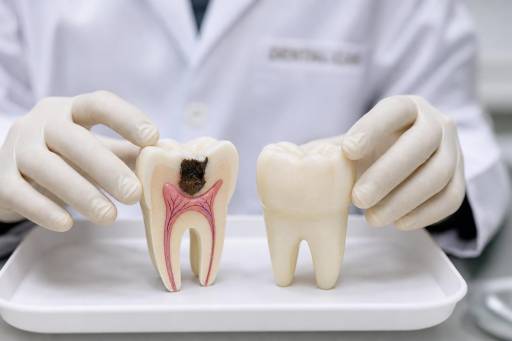
Bonded restorations involve applying tooth-colored composite resin directly onto a cracked tooth, where it is shaped and hardened to provide support. This dental bonding technique works by chemically adhering the resin to the enamel and dentin, effectively splinting the crack and reducing movement that could worsen damage.
Because it is minimally invasive, bonded restoration usually requires little to no removal of healthy tooth structure compared to crowns or other extensive treatments. This preservation of natural tooth material is beneficial for maintaining tooth vitality and reducing procedural complexity.
Bonded restorations also offer aesthetic advantages since the composite resin can be matched to your tooth color, seamlessly blending with your smile. The procedure is generally quick and can often be completed in one visit, which appeals to many patients seeking efficient dental repair.
Dental bonding also allows for easy repair or replacement if needed, making it a flexible option for managing cracked teeth. These factors contribute to why bonded restorations are commonly recommended for stabilising cracks that do not extend deeply into the tooth or cause severe structural compromise.
Assessing the Suitability of Bonded Restorations for Your Cracked Tooth
Dentists carefully evaluate several factors to decide if bonded restoration is appropriate for a cracked tooth. The extent and location of the crack are critical considerations. Cracks confined to the enamel or superficial dentin layers are more likely to respond well to bonding, while deeper cracks involving the pulp or root may require more comprehensive treatment.
A thorough dental examination typically includes visual inspection, tactile assessment with dental instruments, and sometimes radiographs or other imaging to assess crack depth and involvement. The overall health and strength of the tooth are also evaluated, including whether there is decay, previous restorations, or signs of infection.
Your dentist will consider your symptoms, such as pain or sensitivity, and whether the crack causes mobility or affects chewing. Teeth that show signs of significant structural instability or pulp damage may not be ideal candidates for bonding alone.
Ultimately, the suitability depends on whether the bonded restoration can provide enough reinforcement to stabilise the tooth and protect it from further damage. If a bonded restoration is not advisable, alternative treatments like crowns or root canal therapy might be recommended to ensure long-term tooth preservation.
The Bonding Procedure: What to Expect During Your Dental Restoration
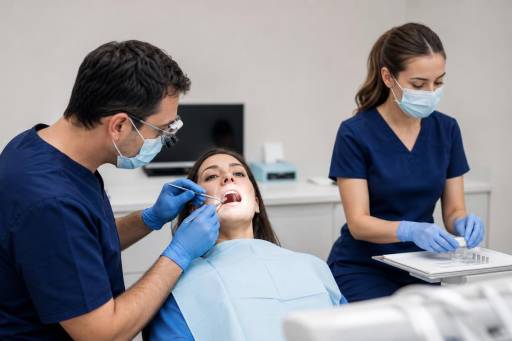
The dental bonding procedure for a cracked tooth usually begins with cleaning and preparing the tooth surface. Your dentist will gently roughen the enamel and apply a conditioning agent to enhance the bond strength between your tooth and the composite resin.
Next, the composite resin is carefully applied in layers. Each layer is shaped to restore the tooth’s natural contours and then cured with a special light that hardens the material. This layering technique ensures strong adhesion and durability.
Throughout the process, your dentist will check your bite alignment and make adjustments to ensure comfort and proper function once the restoration is complete. The entire procedure often takes less than an hour and typically does not require local anesthesia unless the crack causes sensitivity.
After the bonding, your tooth may feel slightly different for a short time, but most patients adjust quickly. Your dentist will provide instructions on care and any follow-up needed to monitor the restoration’s performance.
Benefits and Limitations of Bonded Restorations for Cracked Teeth
Bonded restorations offer several advantages in treating cracked teeth. Their minimally invasive nature preserves healthy tooth structure, reducing the risk of further weakening. The procedure is quick, often completed in a single visit with no need for extensive tooth preparation or drilling.
Aesthetic benefits are notable because composite resins closely mimic natural tooth color and texture. This makes bonded restorations an excellent choice for front teeth or visible areas. Patients typically experience less post-treatment sensitivity and a faster recovery compared to more invasive procedures.
However, bonded restorations also have limitations. They may not provide sufficient strength for teeth with extensive cracks or those subjected to heavy biting forces. Their durability is generally less than crowns or onlays, meaning they may need repair or replacement over time.
In some cases, a cracked tooth may later require more extensive treatment such as a crown or root canal therapy if symptoms persist or the crack worsens. Discussing these possibilities with your dentist helps set realistic expectations and guides appropriate treatment planning.
Post-Treatment Care and Long-Term Maintenance of Bonded Restorations
Caring for a bonded restoration is essential to maintain its function and appearance over time. Good oral hygiene practices, including gentle brushing with a soft-bristled toothbrush and flossing, help prevent decay and gum disease around the restored tooth.
Avoiding habits that place excessive stress on the tooth, such as chewing ice, biting hard objects, or using teeth as tools, can reduce the risk of restoration damage. Wearing a protective mouthguard during sports or if you grind your teeth at night is also advisable.
Regular dental check-ups allow your dentist to monitor the bonded restoration’s condition and address any signs of wear or failure early. If you notice sensitivity, roughness, or a change in the tooth’s appearance, scheduling a dental visit promptly is important.
With proper care, bonded restorations can last several years, but some may require touch-ups or replacement depending on individual factors. Staying attentive to your oral health supports the long-term stability of your restored tooth.
Restore Cavities, Cracks, and Damaged Teeth
Answer a few short questions and HealthNode will help you connect with the right restorative dentist for fillings or tooth repair.
Pain, Sensitivity, and Damage
This helps us understand whether you may need a simple filling, tooth restoration, root canal evaluation, or another treatment.
Previous Dental Care and Preferences
A few details help the dentist understand the best restoration option for your tooth.
Final Details
Share anything important so the dentist can better understand your case.
Contact information
Your information is only used to contact you and is never shared with third parties.
Your request has been received!
Thank you. If you have dental X-rays, photos of the damaged tooth, previous filling records, root canal records, treatment plans, or information about tooth pain or sensitivity, please keep them ready. A HealthNode consultant will guide you through the next step.
Frequently Asked Questions
Q: How long do bonded restorations typically last on cracked teeth?
A: Bonded restorations can last several years with proper care, but their longevity varies based on factors like crack severity and oral habits. Regular dental visits help monitor the restoration and address any issues early. Rebonding or repair may be needed if wear or damage occurs.
Q: Are bonded restorations painful to receive or have afterward?
A: The bonding procedure is usually painless and often performed without anesthesia unless sensitivity is present. Some mild sensitivity after treatment can occur but typically resolves quickly. If you experience ongoing pain, consult your dentist for evaluation.
Q: Can bonded restorations fix cracks that extend into the tooth root?
A: Bonded restorations are generally not suitable for cracks extending into the root or pulp. These deeper cracks often require more extensive treatments like crowns, root canal therapy, or in severe cases, extraction. A dental exam is necessary to determine the best approach.
Q: Will a bonded restoration change the appearance of my tooth?
A: Bonded restorations use tooth-colored composite resin that can be closely matched to your natural tooth shade. When done well, they blend seamlessly with surrounding teeth, improving both strength and appearance. Your dentist will aim for a natural-looking result.
Q: Is special care needed immediately after getting a bonded restoration?
A: After bonding, avoid eating hard or sticky foods for at least 24 hours to allow the material to fully set. Maintaining good oral hygiene and avoiding habits that stress the tooth supports healing. Your dentist may provide specific instructions tailored to your case.
The information provided is for educational purposes only and does not constitute medical advice. Always consult with a healthcare professional for medical guidance specific to your situation.