Quick Answer
Ceramic braces are orthodontic appliances made of clear or tooth-colored ceramic brackets that straighten teeth discreetly while functioning similarly to traditional metal braces. They are popular among adults and teens for their aesthetic advantage and effective tooth alignment.
- Ceramic braces use clear or tooth-colored ceramic brackets that blend with natural teeth for a less noticeable appearance compared to metal braces.
- They apply gentle, consistent pressure through an archwire to gradually move teeth into proper alignment over time.
- Ceramic braces are effective for correcting crooked teeth, overcrowding, and bite misalignments, similar to metal braces.
- They offer greater comfort with smooth edges that cause less irritation to gums and cheeks than metal brackets.
- The elastic ties used with ceramic braces can stain if not properly cared for, requiring diligent oral hygiene.
- Ceramic brackets are more fragile than metal ones, so patients should avoid hard or sticky foods that could damage them.
- Treatment with ceramic braces typically lasts 12 to 24 months and requires regular orthodontic visits for adjustments.
What Are Ceramic Braces?
Ceramic braces are a type of orthodontic appliance designed to straighten teeth while offering a less noticeable appearance compared to traditional metal braces. They function similarly to metal braces but use clear or tooth-colored ceramic brackets that blend more naturally with your teeth, providing a more discreet treatment option. This aesthetic advantage makes ceramic braces a popular choice among adults and teens who want effective orthodontic treatment without the conspicuous look of metal brackets.
While ceramic braces provide the same function of aligning teeth and correcting bite issues, they prioritize an inconspicuous look during the treatment process. This helps patients maintain confidence and comfort in social and professional settings. Understanding the features, benefits, and treatment journey of ceramic braces can help you decide if this orthodontic option aligns with your dental health needs and lifestyle preferences.
This overview will clarify how ceramic braces work, their advantages in terms of aesthetics and comfort, and how they compare with other orthodontic solutions. This information will enable you to make an informed decision about your orthodontic care.
Find the Right Orthodontic Treatment for Your Smile
Answer a few short questions and HealthNode will help you connect with the right orthodontist for braces, clear aligners, or bite correction.
Treatment Preferences
This helps us understand which orthodontic option may fit your lifestyle and expectations.
Dental and Bite Details
A few details help the orthodontist understand whether you may need simple alignment, bite correction, or a more detailed treatment plan.
Contact information
Your information is only used to contact you and is never shared with third parties.
Your request has been received!
Thank you. If you have recent dental photos, dental X-rays, panoramic X-ray, cephalometric X-ray, intraoral scan, previous braces or aligner records, retainer records, or orthodontic treatment plans, please keep them ready. A HealthNode consultant will guide you through the next step.
Ceramic Braces: A Discreet and Effective Orthodontic Solution
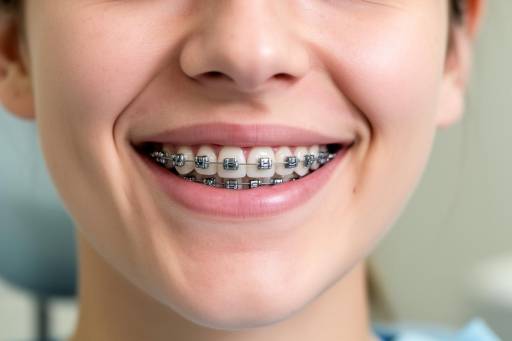
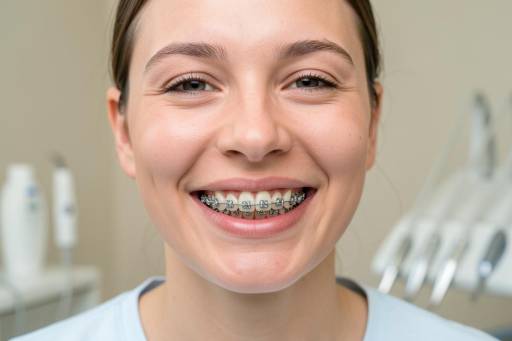
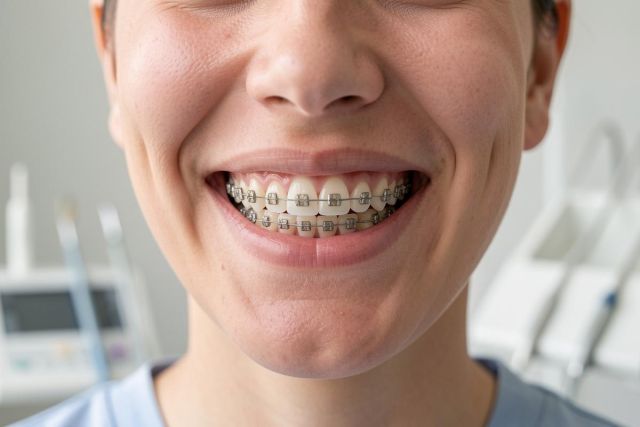
Ceramic braces consist of brackets made from a clear or tooth-colored ceramic material that adheres to the front of your teeth. These brackets hold the archwire in place, which applies gentle, consistent pressure to move teeth into their desired positions over time. This gradual movement helps correct various orthodontic issues such as crooked teeth, overcrowding, and bite misalignments.
The ceramic material is carefully designed to blend in with your natural tooth color, making the braces less visually prominent compared to traditional metal braces. This aesthetic quality is why they are often referred to as "aesthetic braces." For many patients, this means they can undergo orthodontic treatment with greater confidence and less concern about their appearance during the process.
Despite the difference in appearance, ceramic braces perform the same essential role in orthodontic treatment as metal braces do. They provide effective correction by applying controlled forces to teeth, encouraging them to shift into better alignment over time. Patients considering ceramic braces should be aware that while the brackets are less noticeable, the elastic ties used to hold the archwire may still be visible and can sometimes stain if not properly cared for.
Ceramic brackets tend to be more fragile than metal ones, so patients need to be mindful about avoiding hard or sticky foods that could damage the braces. Overall, ceramic braces offer a highly effective and discreet treatment option for patients who want to improve their smile without the more obvious appearance of metal braces.
Benefits of Ceramic Braces for Adults and Teens
Ceramic braces offer several benefits, especially for adults and teens who are concerned about the visual impact of orthodontic treatment. Their primary advantage is their discreet appearance, which helps patients feel more confident during the treatment period. Because the brackets are made from clear or tooth-colored ceramic material, they blend seamlessly with the natural color of your teeth, making them significantly less noticeable than traditional metal braces.
This reduced visibility can alleviate psychological discomfort and self-consciousness related to wearing braces, which is particularly important for individuals in social or professional environments. Additionally, ceramic braces provide effective tooth movement comparable to metal braces, making them a practical choice for a wide range of orthodontic issues, including crooked teeth, overcrowding, and bite problems.
Comfort is another key benefit of ceramic braces. They have smooth edges that tend to cause less irritation to gums and cheeks compared to metal brackets. For adults balancing professional and social commitments, ceramic braces allow for orthodontic correction without drawing unwanted attention, supporting both oral health and personal confidence.
Teens may also prefer ceramic braces for similar reasons, seeking to maintain a natural look while undergoing treatment. However, patients should be aware that ceramic braces require diligent oral hygiene to prevent staining, particularly of the elastic ties, and may be slightly more fragile than metal braces.
Overall, ceramic braces provide an effective, comfortable, and aesthetically pleasing orthodontic option for many patients.
How Ceramic Braces Work: The Treatment Process Explained
The treatment with ceramic braces begins with a consultation where your orthodontist evaluates your dental condition and creates a personalized treatment plan tailored to your specific needs. This initial assessment includes examining the alignment of your teeth, bite relationships, and overall oral health to determine the most effective approach.
Once the plan is established, the ceramic brackets are carefully bonded to the front surfaces of your teeth using a strong dental adhesive that ensures they remain securely in place throughout treatment. An archwire is then threaded through these brackets and secured with elastic ties, which can also be tooth-colored to maintain the aesthetic appeal of the braces. The archwire applies consistent, gentle pressure to gradually move your teeth into proper alignment over time.
Regular orthodontic visits are necessary every 4 to 8 weeks for adjustments, during which the orthodontist may tighten or replace the archwire and elastic ties to continue guiding tooth movement effectively. The total treatment duration with ceramic braces typically ranges from 12 to 24 months, depending on the severity of the dental issues and how well you follow care instructions.
Throughout the treatment process, maintaining good oral hygiene is crucial to prevent staining of the brackets and elastic ties, as well as to avoid tooth decay and gum disease. Your orthodontist will provide detailed guidance on brushing techniques, flossing methods, and dietary choices to support optimal results and minimize complications.
Following these recommendations helps ensure a successful treatment outcome and a healthy, beautiful smile once the braces are removed.
Comparing Ceramic Braces to Other Orthodontic Options
When considering orthodontic treatment, ceramic braces are one of several options available, each with distinct characteristics that suit different patient needs and preferences.
Metal braces are typically the most durable and cost-effective option. Made from stainless steel, they are highly effective at correcting a wide range of orthodontic issues, including complex cases. However, their metallic appearance makes them the most visible type of braces, which can be a concern for patients seeking discretion.
Ceramic braces offer a more aesthetic alternative by using clear or tooth-colored brackets that blend with your natural teeth. This makes them less noticeable than metal braces, appealing to patients who prioritize appearance during treatment. However, ceramic brackets tend to be more fragile and can be more expensive than metal braces. They also require careful maintenance to avoid staining, especially of the elastic ties.
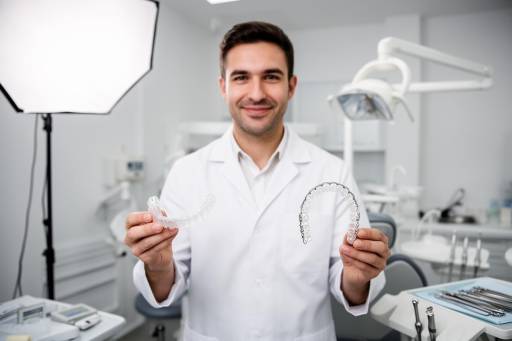
Clear aligners, such as Invisalign, are removable and nearly invisible, making them very popular among adults and teens who want the least conspicuous treatment. They allow for easier oral hygiene since they can be taken out during meals and cleaning. However, clear aligners may not be suitable for all orthodontic cases, particularly complex tooth movements, and require high patient compliance to be effective.
Lingual braces are attached to the back surfaces of the teeth, making them completely invisible from the front. They provide excellent aesthetics but can be uncomfortable initially and may affect speech temporarily. They also tend to be more costly and require specialized orthodontic expertise.
Understanding these differences in durability, visibility, comfort, cost, and treatment suitability can help you and your orthodontist choose the orthodontic solution that best fits your aesthetic preferences, treatment needs, and lifestyle.
Is Ceramic Braces Right for You? Factors to Consider
Deciding if ceramic braces are suitable for your orthodontic needs involves several important considerations.
First, your dental health status plays a crucial role. The complexity of your tooth misalignment or bite issues can influence whether ceramic braces are a viable option. While ceramic braces are effective for many common orthodontic problems, severe or complex cases might require alternative treatments such as metal braces or other specialized appliances.
Age is another factor to consider. Ceramic braces are popular among adults and teenagers who desire a less visible treatment option, but they are generally not recommended for younger children. This is partly because ceramic brackets are more fragile and may not withstand the wear and tear that younger patients might subject them to.
Lifestyle factors also matter significantly. Maintaining diligent oral hygiene is essential with ceramic braces, as the elastic ties used to secure the archwire can discolor if not cleaned properly. Patients who are committed to regular brushing, flossing, and avoiding foods that stain are better candidates for ceramic braces.
Cost is another consideration, as ceramic braces tend to be more expensive than traditional metal braces due to the materials and aesthetic benefits. Insurance coverage and personal budget may influence your decision.
Find the Right Orthodontic Treatment for Your Smile
Answer a few short questions and HealthNode will help you connect with the right orthodontist for braces, clear aligners, or bite correction.
Treatment Preferences
This helps us understand which orthodontic option may fit your lifestyle and expectations.
Dental and Bite Details
A few details help the orthodontist understand whether you may need simple alignment, bite correction, or a more detailed treatment plan.
Contact information
Your information is only used to contact you and is never shared with third parties.
Your request has been received!
Thank you. If you have recent dental photos, dental X-rays, panoramic X-ray, cephalometric X-ray, intraoral scan, previous braces or aligner records, retainer records, or orthodontic treatment plans, please keep them ready. A HealthNode consultant will guide you through the next step.
Consulting with an experienced orthodontist is key to assessing your individual needs, treatment goals, and lifestyle factors. They can provide personalized advice and help you weigh the benefits and limitations of ceramic braces compared to other orthodontic options, ensuring you make an informed decision that aligns with your expectations and oral health.
Frequently Asked Questions
Q: Are ceramic braces more expensive than traditional metal braces?
A: Ceramic braces usually have a higher cost than metal braces because of the materials used and their less visible appearance. Prices vary based on the orthodontic provider and specific treatment requirements.
Q: Can ceramic braces stain or discolor over time?
A: The ceramic brackets themselves resist staining, but the elastic ties that hold the wire can discolor if not properly cared for. Maintaining good oral hygiene and avoiding foods that cause stains helps keep them looking clear.
Q: Are ceramic braces suitable for adults?
A: Yes, ceramic braces are often chosen by adults who want an effective yet less noticeable orthodontic treatment. Their suitability depends on individual dental health and treatment goals.
Q: How long does orthodontic treatment with ceramic braces typically last?
A: Treatment duration usually ranges from 12 to 24 months, depending on the complexity of your dental condition and adherence to care instructions during the process.
Q: Do ceramic braces hurt more than metal braces?
A: The level of discomfort is generally similar for ceramic and metal braces. Ceramic braces may cause less psychological discomfort because they are less visible, helping patients feel more confident.
Q: What are the main disadvantages of ceramic braces?
A: Ceramic braces tend to cost more, can be more fragile than metal braces, and the elastic ties may stain over time if not properly maintained.
The information provided is for educational purposes only and does not constitute medical advice. Always consult with a healthcare professional for medical guidance specific to your situation.