Quick Answer
Fixed orthodontic appliances are devices permanently attached to teeth, such as braces, that apply continuous gentle pressure to gradually move teeth into proper alignment over a treatment period typically lasting 12 to 24 months.
- Fixed orthodontic appliances consist of brackets bonded to teeth connected by wires that guide teeth movement.
- They are used to correct misaligned teeth, overcrowding, and bite issues like overbite, underbite, or crossbite.
- Types of fixed appliances include traditional metal braces, ceramic braces, and lingual braces, each with different aesthetic and functional features.
- Treatment involves regular orthodontic visits for adjustments, with possible use of auxiliary devices like elastics or springs.
- Maintaining good oral hygiene with brushing, flossing, and avoiding certain foods is essential to prevent complications during treatment.
- Discomfort after adjustments is normal and can be managed with over-the-counter pain relievers and soft foods.
- Promptly addressing broken brackets or wires with your orthodontist helps avoid treatment delays and ensures effective progress.
What Are Fixed Orthodontic Appliances?
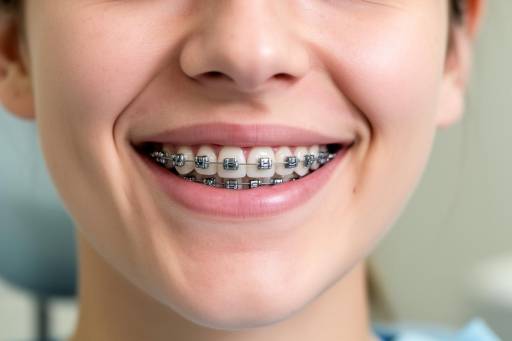
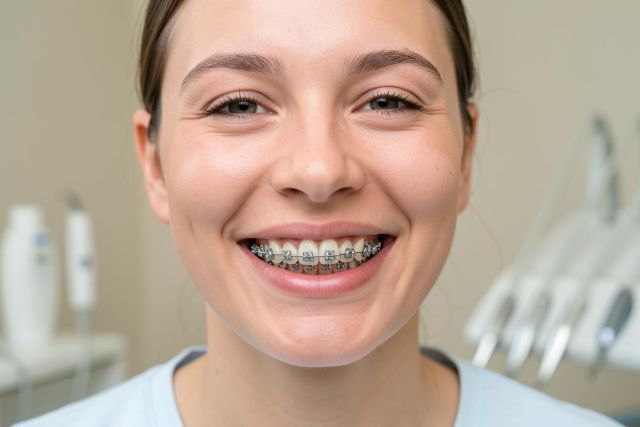
Fixed orthodontic appliances are devices firmly attached to your teeth to gradually move them into proper alignment. These appliances, commonly known as braces, consist of brackets bonded directly to your teeth and connected by wires that apply continuous gentle pressure. This steady pressure encourages teeth to shift into the desired position over time, improving both dental function and appearance.
Orthodontic treatment with fixed appliances is a well-established method for correcting misaligned teeth, overcrowding, and bite issues such as overbite, underbite, or crossbite. Unlike removable aligners, fixed appliances stay in place throughout the treatment period, which typically ranges from one to two years depending on your specific needs and the complexity of your case. They are essential tools in achieving lasting teeth alignment results that contribute to improved oral health, easier cleaning, and increased confidence in your smile.
Understanding how fixed orthodontic appliances work and the options available can help you make informed decisions about your dental care. Whether you are considering treatment for yourself or a family member, learning about the types of braces, the treatment journey, and care guidelines will prepare you for a successful orthodontic experience. Being informed also helps set realistic expectations about treatment duration, potential discomfort, and the importance of maintaining good oral hygiene throughout the process.
Find the Right Orthodontic Treatment for Your Smile
Answer a few short questions and HealthNode will help you connect with the right orthodontist for braces, clear aligners, or bite correction.
Treatment Preferences
This helps us understand which orthodontic option may fit your lifestyle and expectations.
Dental and Bite Details
A few details help the orthodontist understand whether you may need simple alignment, bite correction, or a more detailed treatment plan.
Contact information
Your information is only used to contact you and is never shared with third parties.
Your request has been received!
Thank you. If you have recent dental photos, dental X-rays, panoramic X-ray, cephalometric X-ray, intraoral scan, previous braces or aligner records, retainer records, or orthodontic treatment plans, please keep them ready. A HealthNode consultant will guide you through the next step.
How Fixed Orthodontic Appliances Work and Their Benefits
Fixed orthodontic appliances consist of small brackets that are permanently bonded to your teeth and connected by archwires. These brackets can be made from various materials such as metal, ceramic, or sometimes plastic composites, each offering different aesthetic and functional benefits. The archwire applies steady, gentle pressure to the teeth, guiding them to move gradually into their ideal alignment over time.
These appliances play a crucial role in orthodontic treatment by correcting teeth positioning and bite irregularities that may cause functional problems such as difficulty chewing or speaking, as well as aesthetic concerns. Because they are fixed in place, they work continuously without requiring patient compliance to wear them, making them particularly effective for complex cases where precise control over tooth movement is necessary.
Your orthodontist will customize the treatment plan based on your dental condition, expected outcomes, and lifestyle. This process involves regular appointments where the wires are adjusted or replaced to maintain appropriate pressure. Sometimes auxiliary devices like elastics or springs are added to assist with specific tooth movements or bite corrections. Fixed appliances are typically recommended when precise control over tooth movement is necessary to achieve optimal results and when patient compliance with removable options may be challenging.
Different Types of Braces: Which Is Right for You?
Several types of fixed orthodontic appliances are available, each with distinct features suited to different preferences, treatment goals, and lifestyle considerations.
Traditional metal braces are the most common type. They use stainless steel brackets and wires, known for their strength, durability, and reliability. Metal braces are effective for a wide range of orthodontic issues, including complex tooth movements, and are usually the most cost-effective option. However, they are the most visible type of braces.
Ceramic braces use brackets made from tooth-colored or clear materials that blend more naturally with your teeth. They are less noticeable than metal braces, making them popular among adults and teens concerned about aesthetics. However, ceramic brackets may be more fragile and require careful maintenance to avoid staining or breakage.
Lingual braces are attached to the back surfaces of your teeth, making them virtually invisible from the front. They offer discreet teeth correction but can be more challenging to clean and may cause initial speech difficulties or tongue irritation. Lingual braces are often chosen by patients who want effective treatment without visible hardware.
Choosing the right braces depends on factors such as your aesthetic preferences, the complexity of your orthodontic issues, budget, comfort, and lifestyle. Your orthodontist will evaluate these factors and help determine the best option tailored to your individual needs, ensuring a balance between effectiveness and personal comfort.
The Orthodontic Care Journey: What to Expect
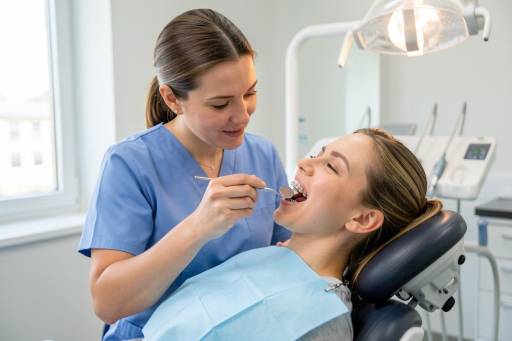
Beginning orthodontic treatment with fixed appliances starts with a thorough consultation and diagnostic process. Your orthodontist will evaluate your teeth, jaws, and bite using tools such as X-rays, photographs, and impressions or digital scans. This comprehensive assessment helps identify the underlying issues and forms the basis of a personalized treatment plan tailored to your specific needs.
Once your braces are fitted, they will require periodic adjustments, usually every 4 to 8 weeks. During these visits, wires may be tightened, replaced, or modified to continue guiding your teeth effectively. These adjustments can cause temporary discomfort or soreness as your teeth respond to movement, which is a normal part of the process.
Throughout treatment, maintaining good oral hygiene is vital to prevent issues like plaque buildup, cavities, or gum inflammation around the braces. Your orthodontist will provide guidance on cleaning techniques and recommend products to help maintain oral health. After your braces are removed, retainers are typically prescribed to maintain your new alignment and prevent relapse, which is essential for long-term success.
The entire process can last from 12 to 24 months depending on the complexity of your case, your age, and how well you follow care instructions. Staying engaged with your orthodontist, attending all scheduled appointments, and adhering to recommended care routines will help you achieve the best possible results and a healthy, confident smile.
Maintaining Your Fixed Orthodontic Appliances: Tips for Success
Caring for fixed orthodontic appliances requires diligent attention to oral hygiene and lifestyle habits to ensure effective treatment and avoid complications. Brushing your teeth after every meal is essential to remove food particles that can get trapped around brackets and wires, which can otherwise lead to plaque buildup and tooth decay.
Using interdental brushes or floss threaders is highly recommended to clean between teeth and under wires where a regular toothbrush can’t reach. These tools help prevent gum inflammation and cavities by removing debris in hard-to-access areas. Additionally, rinsing with an antimicrobial mouthwash can reduce bacteria in your mouth and protect your gums from irritation or infection.
Avoiding hard, sticky, or chewy foods such as nuts, caramel, and chewing gum is crucial because these can damage brackets and wires, potentially causing breakage or loosening. If you experience soreness after adjustments, over-the-counter pain relievers and eating soft foods can provide relief and make the transition easier.
Promptly reporting any loose brackets or broken wires to your orthodontist is important to prevent treatment delays and maintain steady progress. Consistent care, combined with following your orthodontist's advice, will contribute to a smoother and more effective treatment journey, helping you achieve the best possible results in the expected timeframe.
When to Seek Professional Help During Orthodontic Treatment
Regular dental visits are critical during orthodontic treatment to monitor progress and address any issues promptly. These appointments allow your orthodontist to check that your teeth are moving as planned and to make necessary adjustments to your braces. If you notice loose or broken brackets, poking wires, or experience unusual pain, it is important to contact your orthodontist as soon as possible to prevent further complications. Early intervention can minimize discomfort and avoid delays in treatment.
Ignoring problems with your braces can lead to discomfort, ineffective tooth movement, or prolonged treatment times. For example, a broken bracket may cause uneven pressure, resulting in teeth moving incorrectly or not at all. Additionally, signs of gum swelling, bleeding, or persistent bad breath may indicate oral hygiene challenges that need professional attention. These symptoms could signal gum disease or infection, which can undermine your orthodontic progress and overall oral health.
Staying proactive with care and attending all scheduled appointments ensures your treatment stays on track and your teeth and gums remain healthy. Your orthodontist can also provide advice tailored to any concerns that arise during your treatment, such as managing soreness or adjusting your oral hygiene routine. Being attentive to changes and communicating openly with your orthodontic team helps create a smoother treatment experience and better outcomes.
Frequently Asked Questions
Q: How long do fixed orthodontic appliances typically stay on my teeth?
Find the Right Orthodontic Treatment for Your Smile
Answer a few short questions and HealthNode will help you connect with the right orthodontist for braces, clear aligners, or bite correction.
Treatment Preferences
This helps us understand which orthodontic option may fit your lifestyle and expectations.
Dental and Bite Details
A few details help the orthodontist understand whether you may need simple alignment, bite correction, or a more detailed treatment plan.
Contact information
Your information is only used to contact you and is never shared with third parties.
Your request has been received!
Thank you. If you have recent dental photos, dental X-rays, panoramic X-ray, cephalometric X-ray, intraoral scan, previous braces or aligner records, retainer records, or orthodontic treatment plans, please keep them ready. A HealthNode consultant will guide you through the next step.
A: The duration varies depending on individual cases, but most treatments last between 12 and 24 months. Your orthodontist will provide an estimate based on your specific dental needs and treatment goals.
Q: Are fixed orthodontic appliances painful?
A: Some discomfort is common, especially after adjustments, as teeth shift positions. This usually subsides within a few days and can be managed with over-the-counter pain relievers and soft foods.
Q: Can I eat normally with braces?
A: Dietary restrictions are recommended to prevent damage to your appliances. Avoid hard, sticky, or chewy foods like nuts, caramel, and gum to protect your braces and ensure effective treatment.
Q: How do I clean my braces effectively?
A: Brushing your teeth after meals, using interdental brushes or floss threaders, and rinsing with antimicrobial mouthwash are essential for good hygiene. Regular dental check-ups help maintain oral health during treatment.
Q: Are fixed orthodontic appliances visible?
A: Traditional metal braces are visible, but options like ceramic braces blend with your teeth, and lingual braces are placed behind teeth, making them less noticeable. Your orthodontist can help you choose the best option for your preferences.
Q: What are the risks of not maintaining proper care with braces?
A: Poor care can lead to cavities, gum disease, discoloration, or damage to the appliances. This may prolong treatment and affect the final results, so consistent hygiene and timely orthodontic visits are crucial.
The information provided is for educational purposes only and does not constitute medical advice. Always consult with a healthcare professional for medical guidance specific to your situation.