Quick Answer
Palatal expanders are orthodontic devices used primarily in children and adolescents to widen the upper jaw by gradually expanding the palate, improving dental alignment and facial structure. They work by applying gentle pressure to separate the midpalatal suture, creating more space for teeth and correcting bite irregularities.
- Palatal expanders are custom-made devices anchored to the upper molars that widen the palate by separating the midpalatal suture. They are most effective in children and adolescents because their palatal sutures have not fully fused. Expansion helps correct crossbites, reduce crowding, and improve bite relationships between the upper and lower jaws. Widening the palate can also enhance facial aesthetics, improve nasal airflow, and potentially aid breathing and speech. Treatment involves gradual adjustment of the expander over weeks or months, followed by a retention phase to stabilize results. Dental treatment abroad for palatal expansion is an option if clinics are accredited and provide proper follow-up care. Choosing a qualified orthodontic clinic with experienced specialists and good patient communication is essential for successful treatment.
What Are Palatal Expanders?
Palatal expanders are orthodontic devices designed to widen the upper jaw by gradually expanding the palate. They are commonly used in children and adolescents to correct issues such as crossbites, crowding, and narrow palates. By applying gentle pressure over time, these appliances help create more space in the mouth, improving both dental alignment and overall oral function.
This treatment plays a crucial role in orthodontics by addressing structural concerns early, which can prevent more complex dental problems later. Palatal expansion can also influence facial aesthetics and improve breathing and speech in some cases. As orthodontic care becomes more accessible globally, many patients consider dental treatment abroad, where they can find experienced specialists and modern clinics offering palatal expander therapy.
Understanding how palatal expanders work, their benefits, and what to expect during treatment can help you feel confident whether you seek care locally or overseas. This overview will guide you through the basics, treatment process, and considerations for choosing the right clinic for your orthodontic needs.
Find the Right Orthodontic Treatment for Your Smile
Answer a few short questions and HealthNode will help you connect with the right orthodontist for braces, clear aligners, or bite correction.
Treatment Preferences
This helps us understand which orthodontic option may fit your lifestyle and expectations.
Dental and Bite Details
A few details help the orthodontist understand whether you may need simple alignment, bite correction, or a more detailed treatment plan.
Contact information
Your information is only used to contact you and is never shared with third parties.
Your request has been received!
Thank you. If you have recent dental photos, dental X-rays, panoramic X-ray, cephalometric X-ray, intraoral scan, previous braces or aligner records, retainer records, or orthodontic treatment plans, please keep them ready. A HealthNode consultant will guide you through the next step.
Palatal Expanders: Essential Orthodontic Devices for Jaw Development
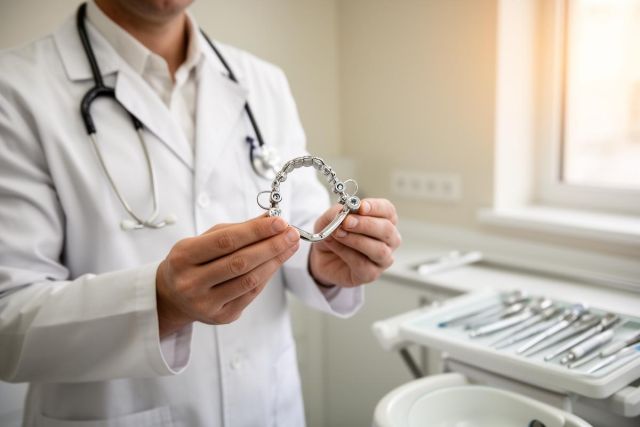
Palatal expanders are custom-made devices fitted onto the upper teeth, typically anchored to the molars. Their primary function is to widen the palate, the roof of the mouth, by separating the midpalatal suture, a growth joint between the two halves of the palate. This expansion allows more room for teeth to align properly and can correct bite irregularities caused by a narrow upper jaw.
There are several types of palatal expanders, including fixed and removable models. Fixed expanders are more common and consist of a metal framework with a screw mechanism that the patient or orthodontist adjusts periodically. This adjustment gently pushes the two halves of the palate apart over weeks or months, encouraging new bone to fill in the gap.
Orthodontists recommend palatal expanders mostly for children and adolescents because their palatal sutures have not fully fused, making expansion more effective and less invasive. While adults can sometimes benefit from expansion, it often requires additional surgical procedures to assist the process. The use of palatal expanders is a strategic approach to guide jaw development and create a foundation for further orthodontic treatments such as braces or aligners.
How Palatal Expanders Improve Dental and Facial Structure
Palate expansion offers multiple benefits that go beyond just creating space for crowded teeth. By widening the upper jaw, palatal expanders help improve the bite relationship between the upper and lower jaws. This correction can resolve crossbites, where the upper teeth fit inside the lower teeth, which otherwise lead to uneven tooth wear and jaw discomfort.
Improved dental alignment achieved through expansion often enhances oral hygiene by reducing overcrowding. Straighter teeth are easier to clean, lowering the risk of cavities and gum disease. Additionally, a broader palate can improve speech clarity in some cases, especially if the narrow palate was contributing to articulation difficulties.
Facial aesthetics may also benefit because palate expansion can influence the shape and symmetry of the midface. A wider upper jaw supports better nasal airflow, which may help with breathing issues such as mild obstructive sleep apnea or chronic mouth breathing. These functional and cosmetic improvements underscore why palate expansion is a foundational step in many orthodontic treatment plans.
Considering Dental Treatment Abroad for Palatal Expansion
Seeking orthodontic care abroad for palatal expansion can be a viable option, particularly if you're looking for cost-effective treatment or access to specialists with advanced expertise. Many countries have accredited dental clinics equipped with modern technology and experienced orthodontists who offer palatal expander therapy at competitive prices.
When considering treatment overseas, it's important to evaluate factors such as the clinic's credentials, patient reviews, and the quality of care standards. Accreditation by recognized dental or medical boards ensures that the clinic meets international safety and hygiene protocols. Language accessibility and clear communication with care providers are also crucial for a smooth treatment experience.
Travel logistics and post-treatment follow-up should be planned carefully. Palatal expansion requires ongoing adjustments and monitoring, so having a local provider for interim visits or coordinating with the overseas clinic for virtual consultations can be beneficial. Overall, dental treatment abroad can provide high-quality orthodontic care, but thorough research and planning are essential to ensure your treatment journey is safe and effective.
What to Expect During Palatal Expansion Treatment
The palatal expansion process begins with a thorough orthodontic evaluation, including dental impressions, X-rays, and possibly 3D imaging to design a customized expander. Once the device is fitted, you'll receive instructions on how to activate the expansion screw, usually by turning it a small amount daily or as directed by your orthodontist.
Treatment duration typically ranges from a few weeks to a few months, depending on the amount of expansion needed. During this time, you may notice a sensation of pressure or mild discomfort as the palate widens. Some patients experience a temporary gap forming between the front teeth, which usually closes naturally after treatment.
Regular follow-up appointments are essential to monitor progress and adjust the device if necessary. After achieving the desired expansion, the expander remains in place for a retention phase to stabilize the bone and prevent relapse. Post-treatment care includes maintaining good oral hygiene and avoiding foods that could damage the appliance. Your orthodontist will guide you through each step to ensure a comfortable and successful outcome.
Choosing the Right Orthodontic Clinic for Palatal Expander Treatment
Selecting a qualified orthodontic clinic is key to a successful palatal expansion treatment. Look for clinics with board-certified orthodontists who have experience with palate expanders and offer comprehensive treatment plans tailored to your needs. Verified patient testimonials and before-and-after case photos can provide additional confidence in the provider's expertise.
Consider clinics that utilize advanced diagnostic tools and maintain high standards of sterilization and patient safety. Transparent communication about treatment costs, duration, and any potential risks is essential. If you are seeking treatment abroad, ensure the clinic holds internationally recognized accreditations and has a clear protocol for patient support, including language assistance and follow-up care arrangements.
You may also want to inquire about the clinic's approach to multidisciplinary care, as palatal expansion may involve collaboration with pediatric dentists, oral surgeons, or speech therapists. Choosing a clinic that prioritizes patient education and comfort will help you navigate the treatment process with confidence and ease.
Frequently Asked Questions
Q: What age is best for palatal expander treatment?
Find the Right Orthodontic Treatment for Your Smile
Answer a few short questions and HealthNode will help you connect with the right orthodontist for braces, clear aligners, or bite correction.
Treatment Preferences
This helps us understand which orthodontic option may fit your lifestyle and expectations.
Dental and Bite Details
A few details help the orthodontist understand whether you may need simple alignment, bite correction, or a more detailed treatment plan.
Contact information
Your information is only used to contact you and is never shared with third parties.
Your request has been received!
Thank you. If you have recent dental photos, dental X-rays, panoramic X-ray, cephalometric X-ray, intraoral scan, previous braces or aligner records, retainer records, or orthodontic treatment plans, please keep them ready. A HealthNode consultant will guide you through the next step.
A: Palatal expanders are most effective in children and adolescents because their palatal sutures have not yet fused. Treatment typically occurs between ages 6 and 16. Adults can sometimes undergo expansion but may require surgical assistance.
Q: How long does palatal expansion treatment take?
A: The active expansion phase usually lasts a few weeks to a few months, depending on the amount of widening needed. After expansion, a retention period of several months stabilizes the results. Total treatment time varies by individual case.
Q: Are palatal expanders painful?
A: Some mild pressure or discomfort is common during adjustment periods, but pain is usually minimal and temporary. Orthodontists may recommend over-the-counter pain relievers if needed. Most patients adapt quickly to the appliance.
Q: Can I travel abroad for palatal expander treatment safely?
A: Yes, many patients seek palatal expansion abroad safely by choosing accredited clinics with experienced orthodontists. It is important to plan for follow-up visits and communicate clearly with the provider. Researching clinic credentials and patient reviews helps ensure quality care.
Q: Will palatal expansion affect my speech?
A: Initially, the appliance may cause minor speech changes or a slight lisp, but most patients adapt within a few days to weeks. Speech typically improves as the palate widens and oral structures align better. Speech therapy is rarely needed.
The information provided is for educational purposes only and does not constitute medical advice. Always consult with a healthcare professional for medical guidance specific to your situation.