Quick Answer
Orthodontic treatment results can last a lifetime with proper maintenance, consistent retainer use, good oral hygiene, and regular dental check-ups. Retainers play a crucial role in preventing teeth from shifting back to their original positions after treatment.
- Properly aligned teeth from orthodontic treatment improve dental function and overall oral health beyond cosmetic benefits.
- Retention strategies, especially wearing retainers as prescribed, are essential to maintain orthodontic results long-term.
- Factors influencing the longevity of results include treatment type, patient age, lifestyle habits, and natural aging processes.
- Different types of retainers, such as fixed and removable, are used to stabilize teeth after active treatment.
- Good oral hygiene, regular dental visits, and avoiding harmful habits like nail-biting and teeth grinding help preserve orthodontic outcomes.
- Follow-up care is important to detect any changes early and address them to prevent relapse or need for re-treatment.
- Adults and teenagers can both maintain orthodontic results effectively with proper care and adherence to recommendations.
Can Orthodontic Treatment Results Last a Lifetime?
Orthodontic treatment results can last a lifetime when proper care and maintenance are consistently followed. The alignment and positioning of teeth achieved through braces or clear aligners remain stable over many years, especially when patients adhere to recommended retainer use and maintain good oral hygiene. Regular dental check-ups also play a crucial role in preserving your orthodontic outcomes by allowing early detection and management of any changes.
Orthodontics is not just about improving the appearance of your smile; it also enhances dental function and overall oral health. Properly aligned teeth are easier to clean, reducing the risk of cavities and gum disease. After active treatment concludes, however, teeth have a natural tendency to shift back toward their original positions. This is why retention strategies, mainly the use of retainers, are essential for long-term success.
The durability of orthodontic results depends on several factors including the type of treatment received, patient age, and lifestyle habits. Understanding these factors helps you set realistic expectations and take appropriate steps to maintain your results.
Find the Right Orthodontic Treatment for Your Smile
Answer a few short questions and HealthNode will help you connect with the right orthodontist for braces, clear aligners, or bite correction.
Treatment Preferences
This helps us understand which orthodontic option may fit your lifestyle and expectations.
Dental and Bite Details
A few details help the orthodontist understand whether you may need simple alignment, bite correction, or a more detailed treatment plan.
Contact information
Your information is only used to contact you and is never shared with third parties.
Your request has been received!
Thank you. If you have recent dental photos, dental X-rays, panoramic X-ray, cephalometric X-ray, intraoral scan, previous braces or aligner records, retainer records, or orthodontic treatment plans, please keep them ready. A HealthNode consultant will guide you through the next step.
Knowing how to sustain your smile over time empowers you to protect your investment in orthodontic care. Whether you are a teenager or an adult considering orthodontics, being informed about what to expect and how to care for your teeth after treatment enables you to enjoy a healthy, confident smile for many years to come.
The Comprehensive Advantages of Orthodontic Treatment for Lasting Oral Health
Orthodontic treatment involves the use of specialized appliances such as braces or clear aligners to correct misaligned teeth, bite irregularities, and improve overall dental function. While many patients seek orthodontics primarily for cosmetic enhancement, to achieve a straighter, more attractive smile, the benefits extend far beyond appearance. Properly aligned teeth are easier to clean, which reduces the risk of dental problems such as tooth decay, gum disease, and periodontal issues.
The long-term benefits of orthodontic treatment also include improved chewing efficiency, clearer speech, and better jaw joint health. When teeth are properly aligned, biting forces are distributed evenly across the dental arches, which helps decrease abnormal wear on tooth surfaces and reduces strain on the jaw muscles and temporomandibular joints (TMJ). This balanced function contributes to greater comfort and reduces the likelihood of developing jaw pain or dysfunction over time.
Achieving these benefits requires a personalized treatment plan tailored to your unique dental needs, taking into account factors such as tooth position, bite relationships, and facial structure. Orthodontic results should be viewed not only as immediate correction but as establishing a foundation for lasting oral health. Proper retention and ongoing care after active treatment are vital to securing these advantages long term. Patients should understand that orthodontic treatment is a process that includes both the active alignment phase and a retention phase to maintain those results.
By investing in orthodontic care and adhering to recommended maintenance protocols, patients can enjoy a healthier, more functional, and aesthetically pleasing smile that supports their overall well-being for many years.
Factors That Influence the Longevity of Orthodontic Results
Several important factors influence how long orthodontic results last after treatment concludes. The type of orthodontic treatment you receive plays a significant role in retention and stability. For example, fixed braces may present different retention challenges compared to clear aligners, and the choice of retainer type can also impact long-term outcomes.
Patient age is another key consideration. Younger patients often experience more responsive tooth movement during treatment but may also be more prone to shifting if retention protocols are not followed carefully. In contrast, adults may have slower tooth movement but face different biological factors such as bone density changes that affect stability.
Lifestyle habits can significantly impact the durability of orthodontic outcomes. Behaviors such as nail-biting, chewing on hard objects like pens or ice, or grinding and clenching teeth (bruxism) can cause unwanted tooth movement or damage to orthodontic appliances and retainers. Poor oral hygiene can lead to gum disease and bone loss, which undermine the structural support of teeth and increase the risk of relapse.
The natural aging process also affects dental alignment. Teeth tend to shift slightly over time due to changes in bone density, muscle function, and wear patterns. This means that retention strategies might need to continue for many years or even indefinitely to maintain alignment. Commitment to regular follow-up care, adherence to your orthodontist’s recommendations, and lifestyle modifications are key factors in preserving your smile’s alignment over time.
Understanding these influences empowers patients to take an active role in maintaining their orthodontic results and making informed decisions about long-term care.
The Role of Retainers in Maintaining Your Smile
Retainers are essential orthodontic devices designed to help preserve the position of your teeth after the active phase of orthodontic treatment has ended. Their primary function is to prevent teeth from drifting back toward their original misaligned positions, a natural tendency known as relapse. This tendency occurs because the bone and soft tissues surrounding the teeth need time to stabilize after movement.
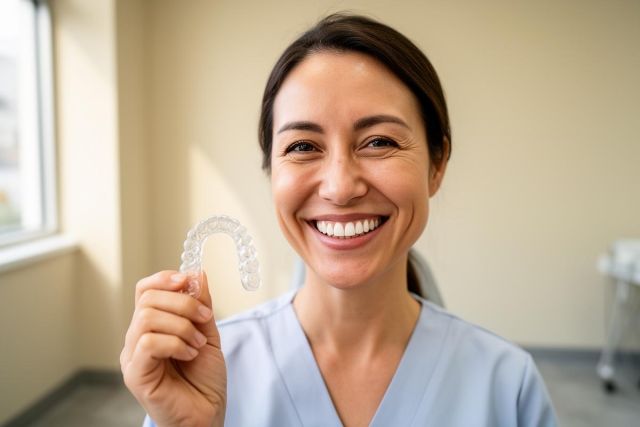
There are various types of retainers available, each with its own advantages and considerations. Fixed (bonded) retainers are thin wires that are attached to the back surfaces of the teeth, typically the lower front teeth, providing continuous support without requiring patient compliance for removal. Removable retainers include the traditional Hawley retainers made of acrylic and wire, as well as clear plastic retainers that are nearly invisible. Your orthodontist will recommend the most suitable type based on your specific dental case, lifestyle preferences, and ability to maintain the device properly.
Consistent retainer use as prescribed is crucial for long-term success. Initially, you may be required to wear your retainers full-time, gradually transitioning to nighttime wear as your teeth stabilize. Skipping retainer wear or inconsistent use can lead to noticeable tooth shifting, which might necessitate additional treatment to correct. Beyond maintaining alignment, retainers also support the health of your gums and surrounding bone structure by stabilizing tooth position and preventing undue stress or movement.
It is important to care for your retainers properly, including regular cleaning and safe storage, to avoid damage or loss. Regular check-ups with your orthodontist will ensure that your retainers continue to fit well and function effectively. Understanding the role and commitment involved with retainers helps patients maintain their beautiful, healthy smiles over the long term.
Best Practices for Maintaining Long-Term Dental Health After Orthodontics
Maintaining your orthodontic results involves more than just wearing retainers; it requires a comprehensive approach to oral health care. Good oral hygiene is fundamental to preserving both the alignment and health of your teeth and gums. Brushing at least twice a day with fluoride toothpaste and flossing daily help prevent plaque buildup, tooth decay, and gum disease, all of which can compromise the stability of your teeth.
Regular dental check-ups and professional cleanings every six months are essential components of long-term maintenance. These appointments allow your dentist to monitor your overall dental health, detect potential issues early, and provide interventions as needed. Additionally, your dental professional can assess the condition and fit of your retainers during these visits, making adjustments or recommending replacements if necessary to ensure continued effectiveness.
Avoiding harmful habits such as nail-biting, chewing on pens or hard foods, and grinding or clenching your teeth protects your teeth from unnecessary stress or damage that could lead to shifting or wear. If you have bruxism, your dentist may recommend a night guard to protect your teeth.
A balanced diet rich in vitamins and minerals supports healthy gums and bone, which are crucial for maintaining tooth stability. Staying hydrated and minimizing the consumption of sugary or acidic foods and beverages also reduce the risk of dental erosion and decay that could compromise your oral health.
By combining these best practices with diligent retainer use and regular dental care, you create a strong foundation for your smile’s longevity and overall oral wellness.
When to Seek Follow-Up Care or Re-treatment
Even with the best maintenance and diligent care, some patients may notice subtle or more obvious changes in their orthodontic results over time. These changes can manifest as shifting teeth, alterations in how the upper and lower teeth meet (bite changes), new or persistent discomfort, or issues with how retainers fit. Such signs should prompt a consultation with your orthodontist or dental professional to assess the situation. It is important to recognize that teeth are dynamic structures influenced by various factors including aging, oral habits, and underlying dental health conditions.
Follow-up visits provide an opportunity for your provider to thoroughly evaluate your dental status, monitor any changes, and recommend appropriate interventions if needed. In many cases, minor corrections or simple adjustments to your retainers can effectively restore proper alignment without extensive procedures. However, in situations where relapse is more significant, re-treatment may be necessary. This can range from limited orthodontic procedures, such as targeted tooth movement or retainer modifications, to more comprehensive care involving braces or aligners again, depending on the severity and complexity of the relapse.
Early detection and timely management are critical to preserving your smile and oral function over the long term. Staying engaged with your dental team, attending scheduled follow-up appointments, and promptly reporting any concerns or changes you notice will help ensure that you maintain both the functional and aesthetic benefits of your orthodontic treatment. Remember that proactive care and communication with your orthodontist are key components in safeguarding your investment in your smile.
Find the Right Orthodontic Treatment for Your Smile
Answer a few short questions and HealthNode will help you connect with the right orthodontist for braces, clear aligners, or bite correction.
Treatment Preferences
This helps us understand which orthodontic option may fit your lifestyle and expectations.
Dental and Bite Details
A few details help the orthodontist understand whether you may need simple alignment, bite correction, or a more detailed treatment plan.
Contact information
Your information is only used to contact you and is never shared with third parties.
Your request has been received!
Thank you. If you have recent dental photos, dental X-rays, panoramic X-ray, cephalometric X-ray, intraoral scan, previous braces or aligner records, retainer records, or orthodontic treatment plans, please keep them ready. A HealthNode consultant will guide you through the next step.
Frequently Asked Questions
Q: How long do orthodontic results typically last?
A: With proper maintenance, orthodontic results can last many years, often a lifetime, especially when retainers are used as recommended.
Q: Are there any risks that orthodontic results might not be permanent?
A: Yes, factors such as poor retainer use, dental habits, or natural aging can affect the longevity of orthodontic results.
Q: What types of retainers are available, and which is best for me?
A: Common types include fixed and removable retainers. Your orthodontist can recommend the most suitable option based on your needs.
Q: Can adults maintain their orthodontic results as well as teenagers?
A: Absolutely. Adults can maintain long-term results with consistent retainer use and good oral hygiene.
Q: How often should I visit my dentist after orthodontic treatment?
A: Regular dental check-ups, typically every six months, are important for maintaining dental health and the stability of orthodontic results.
Q: What habits should I avoid to ensure my results last?
A: Avoiding habits like nail-biting, chewing on hard objects, and poor oral hygiene can help preserve your orthodontic outcomes.
The information provided is for educational purposes only and does not constitute medical advice. Always consult with a healthcare professional for medical guidance specific to your situation.