Quick Answer
Orthodontic treatment can achieve straighter teeth, improved bite function, enhanced smile aesthetics, and better oral health. The results depend on individual dental conditions, treatment methods, and patient compliance.
- Orthodontic treatment improves dental alignment and corrects bite irregularities, enhancing oral function and health.
- Properly aligned teeth are easier to clean, reducing the risk of cavities and gum disease.
- Orthodontics can correct malocclusion issues like overbite, underbite, crossbite, and overcrowding, improving chewing and speech.
- Treatment devices include traditional braces for complex cases and clear aligners for mild to moderate misalignment.
- Visible improvements usually begin within a few months, but full treatment can take several months to years depending on complexity.
- Patient compliance, especially with removable aligners, is crucial for timely and effective results.
- Retention devices like retainers are necessary after treatment to maintain results and prevent relapse.
What Results Can Orthodontic Treatment Achieve?
Orthodontic treatment is a specialized dental approach designed to effectively improve dental alignment, correct bite issues, and enhance the overall appearance of your smile. These results not only contribute to better oral function but also support long-term dental health and boost self-confidence. The outcomes of orthodontic care depend on various factors, including the specific treatment methods used, the severity of dental issues present, and the patient’s commitment to following treatment recommendations.
This treatment involves the use of devices such as traditional braces or clear aligners to gradually move teeth into more optimal positions. Beyond cosmetic improvements, orthodontics plays a critical role in correcting malocclusion, the improper alignment of teeth and jaws, which can reduce excessive wear on teeth, improve chewing efficiency, and even enhance speech clarity. Understanding the realistic results you can expect from orthodontic treatment will help you make informed decisions about your care and set appropriate goals.
Different orthodontic devices offer varying benefits and experiences, and the timeline for seeing results can vary widely based on individual needs and treatment complexity. Consulting with an orthodontic specialist will help tailor a treatment plan suited to your dental condition, lifestyle, and personal preferences. This personalized approach ensures the best possible outcomes for your smile and oral health, balancing aesthetic improvements with functional benefits to support your overall well-being.
Find the Right Orthodontic Treatment for Your Smile
Answer a few short questions and HealthNode will help you connect with the right orthodontist for braces, clear aligners, or bite correction.
Treatment Preferences
This helps us understand which orthodontic option may fit your lifestyle and expectations.
Dental and Bite Details
A few details help the orthodontist understand whether you may need simple alignment, bite correction, or a more detailed treatment plan.
Contact information
Your information is only used to contact you and is never shared with third parties.
Your request has been received!
Thank you. If you have recent dental photos, dental X-rays, panoramic X-ray, cephalometric X-ray, intraoral scan, previous braces or aligner records, retainer records, or orthodontic treatment plans, please keep them ready. A HealthNode consultant will guide you through the next step.
Key Benefits and Results of Orthodontic Treatment
Orthodontic treatments primarily aim to improve dental alignment and correct bite irregularities, which are essential for both oral health and function. When teeth are properly aligned, it becomes easier to maintain effective oral hygiene, reducing the risk of cavities, gum disease, and other dental problems. Treatment also addresses malocclusion issues such as overbite, underbite, crossbite, and overcrowding, all of which can negatively affect chewing efficiency, speech, and jaw health.
From an aesthetic perspective, orthodontics enhances the appearance of your smile by straightening teeth, closing gaps, and creating a more harmonious dental arrangement. This improvement can have a positive impact on your self-esteem, social confidence, and overall quality of life. The psychological benefits often motivate patients to maintain good oral hygiene and regular dental care.
Beyond cosmetic improvements, orthodontic treatment helps prevent abnormal tooth wear caused by uneven pressure or misaligned bites. It also reduces the risk of jaw joint problems by promoting balanced occlusion and proper function. These functional benefits contribute to long-term oral health and comfort.
Orthodontic treatment results vary based on individual conditions and the complexity of the case, but generally include a straighter smile, better bite function, and improved oral health. These outcomes contribute to long-term dental stability, especially when combined with proper retention strategies after active treatment ends. Retainers and follow-up care are crucial to maintaining your new alignment and preventing relapse, ensuring that the benefits of orthodontic treatment endure over time.
Types of Orthodontic Devices and Their Expected Results
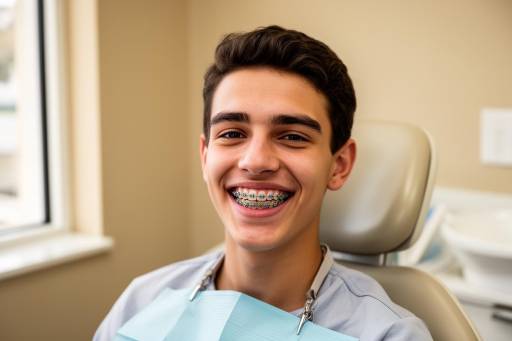
Common orthodontic devices include traditional braces and clear aligners, each offering distinct treatment experiences and outcomes tailored to different dental needs. Traditional braces consist of metal or ceramic brackets that are bonded to the teeth and connected by archwires. These wires apply continuous, gentle pressure to gradually move teeth into their desired positions. Braces are highly effective for complex cases involving significant misalignment, bite issues, or jaw discrepancies, as they provide precise control over tooth movement.
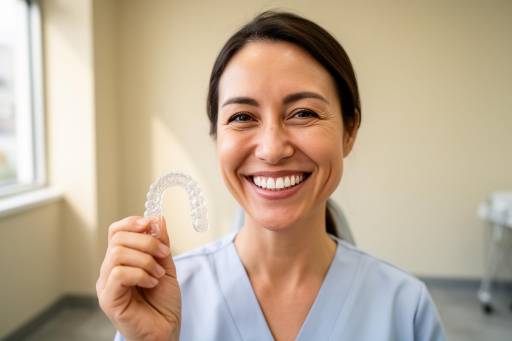
Clear aligners, on the other hand, are removable plastic trays custom-made to fit snugly over your teeth. They offer a discreet and often more comfortable alternative to braces, as they lack brackets and wires that can cause irritation. Aligners are typically recommended for mild to moderate misalignment and are popular among patients seeking a less noticeable treatment option. Because they are removable, aligners also allow for easier oral hygiene maintenance and the ability to eat without restrictions.
Both braces and clear aligners can achieve excellent results when used as prescribed by your orthodontist. The choice between these devices depends on several factors, including the complexity of your dental issues, your lifestyle, aesthetic preferences, and your ability to comply with treatment requirements.
While braces often provide more precise control for severe corrections and complex bite problems, aligners offer greater convenience and aesthetics during treatment. Your orthodontist will carefully evaluate your dental condition and discuss the pros and cons of each device, recommending the best option to meet your functional and cosmetic goals while fitting your lifestyle.
Realistic Expectations and Timeline for Results
Orthodontic treatment is inherently a gradual process, requiring patience and commitment to achieve the desired results. Visible improvements in tooth alignment typically begin within a few months of starting treatment, but complete correction can take anywhere from several months to a few years. The overall timeline varies widely depending on several factors, including the severity and complexity of the misalignment, the patient’s age, and the type of orthodontic device used.
Younger patients often experience faster tooth movement due to more adaptable bone structures, while adults may require longer treatment times. The choice between traditional braces and clear aligners also influences the duration; some complex cases may necessitate braces for more precise control, potentially extending treatment length.
Patient compliance plays a crucial role in the success and efficiency of treatment, especially with removable aligners that must be worn consistently for 20 to 22 hours daily. Failure to wear aligners as prescribed or missing scheduled appointments can delay progress, extend treatment duration, or compromise the final results.
It is important to maintain realistic expectations: orthodontics can significantly enhance dental alignment and bite function but may not achieve absolute perfection in every case due to individual anatomical limitations. Your orthodontist will provide a personalized estimate of treatment length and expected outcomes during your consultation, helping you plan accordingly and understand the commitment involved.
Open communication with your orthodontist throughout treatment allows adjustments to be made as needed, ensuring the best possible results within a reasonable timeframe. Understanding the timeline and factors affecting it helps set appropriate goals and fosters patient cooperation.
Enhancing Confidence and Oral Health Through Orthodontics
Beyond improving the appearance of your smile, orthodontic treatment offers numerous valuable health benefits that contribute to your overall oral well-being. Properly aligned teeth are significantly easier to clean, as straight teeth reduce areas where plaque and food particles can accumulate. This improved access during brushing and flossing helps reduce plaque buildup, which in turn lowers the risk of developing cavities, gum disease, and other oral infections.
Correcting bite issues through orthodontics can also alleviate abnormal strain on your jaw joints (temporomandibular joints) and the associated muscles. Malocclusions such as overbites, underbites, or crossbites can cause uneven pressure during chewing, leading to discomfort, muscle fatigue, or even temporomandibular joint disorder (TMJ). By improving bite alignment, orthodontic treatment helps prevent or reduce these symptoms, promoting better jaw function and comfort.
Many patients experience a significant boost in self-confidence as their smile improves, which can positively affect personal, social, and professional interactions. The psychological benefits of a well-aligned smile often motivate patients to maintain good oral hygiene habits long-term, reinforcing the health advantages gained through treatment.
Orthodontic treatment also contributes to dental stability by repositioning teeth into healthier, more balanced positions. After active treatment ends, retention devices such as retainers are used to help keep teeth in their new positions and prevent relapse. This stability supports lasting oral health and function, making orthodontics a worthwhile investment in your overall well-being. Maintaining regular dental check-ups and retainer use is essential to preserve these benefits over time.
Consultation and Personalized Treatment Planning
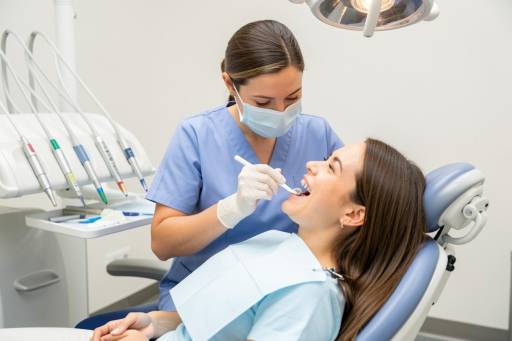
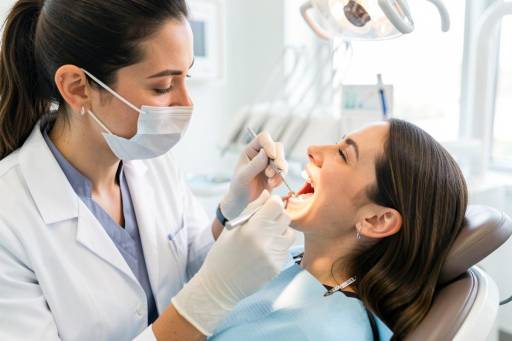
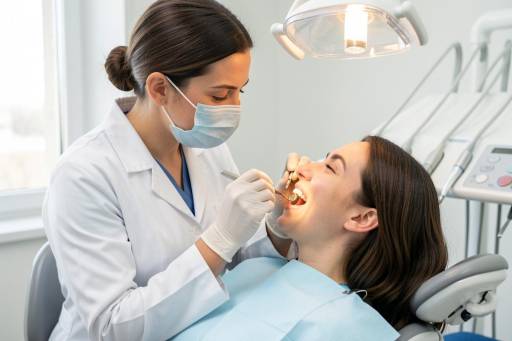
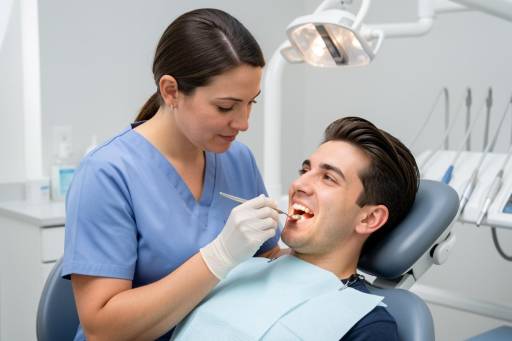
A thorough orthodontic consultation is essential to determine what results you can realistically expect from treatment. During this initial visit, the orthodontic specialist will conduct a comprehensive evaluation of your dental alignment, bite, and jaw structure. This assessment typically involves clinical examinations along with imaging techniques such as X-rays, photographs, and sometimes 3D scans. These diagnostic tools provide a detailed view of your oral anatomy, enabling the orthodontist to identify any underlying issues that may affect treatment outcomes.
This detailed evaluation guides the creation of a personalized treatment plan tailored specifically to your unique dental needs and goals. The orthodontist will consider factors such as the severity of misalignment, jaw discrepancies, and your overall oral health. Additionally, your age, lifestyle, and personal preferences will be taken into account to recommend the most appropriate treatment options.
During the consultation, you will have the opportunity to openly discuss your goals, whether they focus on improving aesthetics, function, or both. You can also express any concerns or questions you have about the treatment process, duration, and maintenance. The orthodontist will explain the benefits and limitations of different orthodontic devices, such as braces or clear aligners, and provide an estimated timeline for your treatment based on your individual case.
Find the Right Orthodontic Treatment for Your Smile
Answer a few short questions and HealthNode will help you connect with the right orthodontist for braces, clear aligners, or bite correction.
Treatment Preferences
This helps us understand which orthodontic option may fit your lifestyle and expectations.
Dental and Bite Details
A few details help the orthodontist understand whether you may need simple alignment, bite correction, or a more detailed treatment plan.
Contact information
Your information is only used to contact you and is never shared with third parties.
Your request has been received!
Thank you. If you have recent dental photos, dental X-rays, panoramic X-ray, cephalometric X-ray, intraoral scan, previous braces or aligner records, retainer records, or orthodontic treatment plans, please keep them ready. A HealthNode consultant will guide you through the next step.
Personalized planning ensures that your treatment targets both functional and aesthetic goals, maximizing the benefits you receive while minimizing potential risks or complications. Staying informed and actively engaged throughout the process supports successful outcomes and increases satisfaction with your orthodontic journey. Clear communication and mutual understanding during this phase lay the foundation for a positive treatment experience.
Frequently Asked Questions
Q: What typical results can I expect from orthodontic treatment?
A: You can expect straighter teeth, improved bite function, and enhanced smile aesthetics. Orthodontics can also reduce dental wear and improve oral hygiene. Results depend on individual conditions and treatment compliance.
Q: How long does it usually take to see orthodontic treatment results?
A: Visible improvements often appear within a few months, but full treatment typically lasts from several months to a few years. The duration varies by case complexity, device type, and patient adherence to care instructions.
Q: Are braces more effective than clear aligners for all cases?
A: Braces are generally more effective for complex dental issues and severe misalignments. Clear aligners work well for mild to moderate cases and offer aesthetic and comfort advantages. Your orthodontist will recommend the best option based on your needs.
Q: Will orthodontic treatment improve my oral health?
A: Yes, by aligning teeth properly, orthodontic treatment makes cleaning easier, reducing the risk of cavities and gum disease. Correcting bite problems can also relieve jaw strain and improve function.
Q: Do orthodontic treatment results last permanently?
A: Results can be long-lasting with proper retention after treatment, such as wearing retainers as advised. Without retention, teeth may shift over time. Maintaining good oral hygiene and regular dental checkups also support lasting outcomes.
The information provided is for educational purposes only and does not constitute medical advice. Always consult with a healthcare professional for medical guidance specific to your situation.